Uber Nigeria Exit: Moove Rejects Drivers’ Remittance Reduction Request
Key Takeaways
- •Moove said drivers must continue paying the contracted daily remittance of ₦18,700.
- •The company warned that contract termination would not eliminate outstanding debts or trigger a repayment reprieve.
- •Moove stated that vehicle ownership transfers only after drivers satisfy the agreement’s financial and other requirements.
- •Drivers said Uber’s exit reduced ride opportunities while fuel and maintenance expenses increased.
- •The drivers are seeking revised contracts and release of vehicles after four years, even if some KPIs have not been fulfilled.
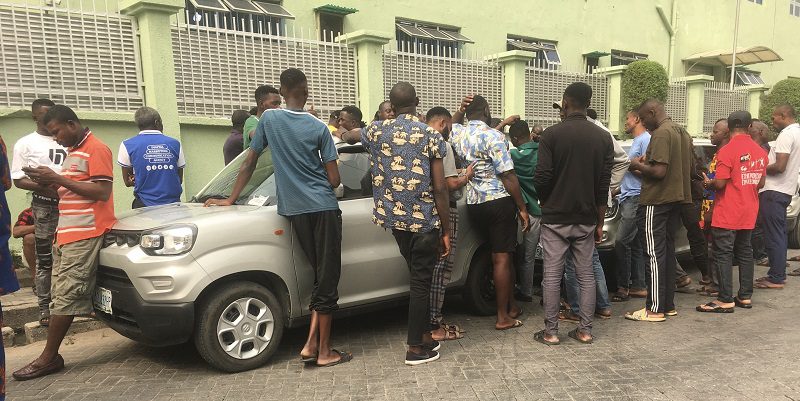
Moove Nigeria has told drivers on its platform that their contractual obligations remain in force and that they will not receive a reduction or other reprieve on their remittances. The vehicle-financing company disclosed its position in an email seen by Technext.
Technext previously reported that Moove drivers were requesting a reduction in their daily remittance from ₦18,700 to ₦12,000. In response, the company said drivers must continue to honour their contracts according to the agreed terms.
“Your contract remains binding, and failure to meet your remittance obligations may result in contract termination and further enforcement action. Contract termination does not cancel any outstanding debt or financial obligations,” Moove warned.
The company added that any balance outstanding after a contract is terminated would remain due and would be pursued through the applicable recovery process.
Moove also restated a contractual provision under which ownership of a vehicle would be transferred to the driver after the driver fulfils the terms of the agreement and meets all required financial obligations.
“The exit of Uber does not automatically suspend or reduce your contractual obligations. The credit facility provided to you remains subject to the agreed repayment terms,” the company said. More information about the company is available on Moove’s website.
Uber’s exit and drivers’ requests
Drivers operating on the Moove platform had asked the company to review their contractual terms, particularly the daily remittance of ₦18,700. The drivers signed four-year repayment contracts after receiving Suzuki Xpresso hatchback vehicles from Moove.
They said the request became necessary because many drivers are now paying for vehicle maintenance out of pocket. They also cited higher fuel costs and fewer ride opportunities following Uber’s exit from Nigeria, which they said had made their earnings less predictable.
“The current remittance is becoming increasingly difficult to sustain under the present business conditions. We believe that a reduction in remittance will help drivers remain operational and continue meeting their obligations to Moove,” the drivers said.
Uber exited the Nigerian market on September 2, citing a focus on its core business. The move caused confusion among Moove drivers about which ride-hailing applications they would be permitted to use. Moove later told the drivers that they could operate across other apps.
However, the change created additional challenges related to the drivers’ remittance obligations and existing contractual terms. According to the drivers, Uber’s departure significantly reduced rider availability and the income generated by many drivers, particularly those who rely on ride-hailing as their primary source of livelihood.
For the drivers, the immediate issue is whether they can continue meeting fixed repayment obligations while using other ride-hailing applications after Uber’s exit. Moove’s email restated those obligations but did not announce a reduction in remittances.
The drivers are therefore seeking a review of the existing contractual arrangements. One of their requests is for vehicles to be released to drivers who have completed their four-year contracts, even if they have not fully met the applicable key performance indicators (KPIs).
