Judge Orders DOJ to Hand Over Grand Jury Materials in Don Lemon Criminal Case
Key Takeaways
- •Judge Laura Provinzino ordered the Justice Department to turn over broad grand jury materials tied to the indictments of Don Lemon and several journalists.
- •The defendants argue that prosecutors may have misled the grand jury and that a Department of Homeland Security officer gave false testimony.
- •Lemon and the other reporters deny the charges and say evidence from the day supports their claim that they were covering the protest, not participating in it.
- •The judge wants to review whether any matter before the grand jury could provide grounds to dismiss the case.
- •The order comes amid other cases in which federal judges have criticized or thrown out charges over grand jury problems.
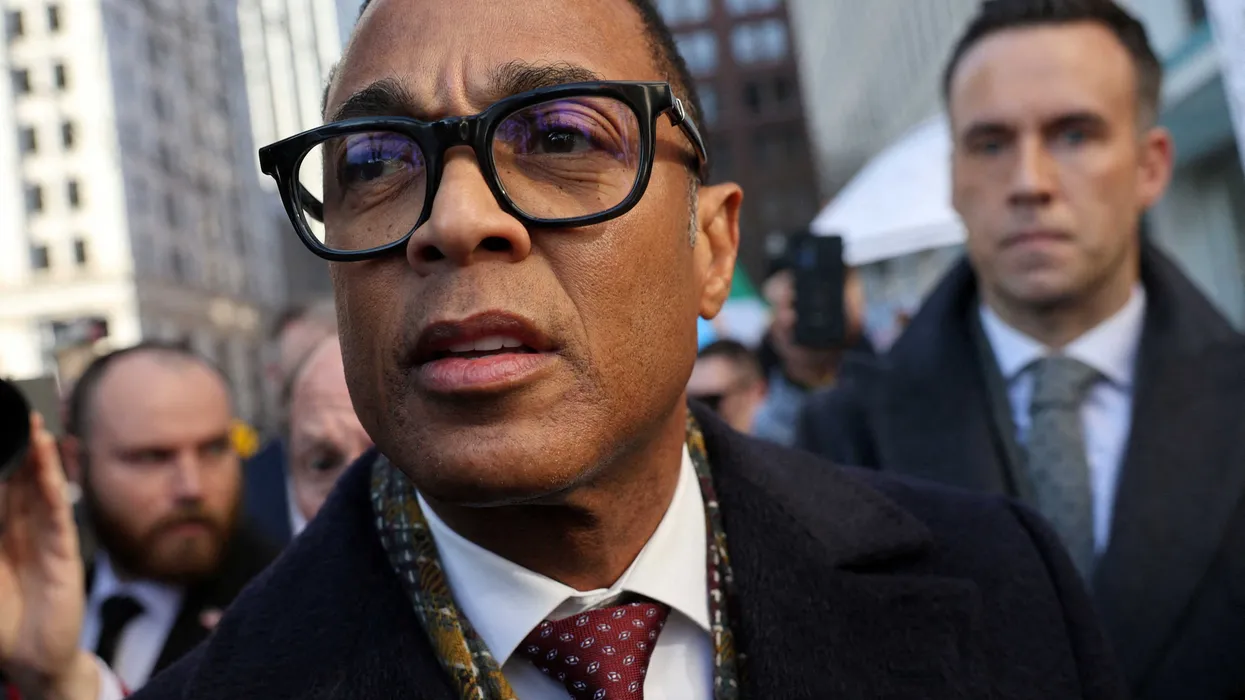
A federal judge in Minnesota has ordered the Justice Department to turn over a broad set of grand jury materials in the criminal case against former CNN host Don Lemon and several local journalists, amid allegations that prosecutors may have misled the grand jury that indicted them.
Lemon and the other reporters have been locked in a dispute with a Minneapolis prosecutor who contends that journalists covering a protest at a church were themselves part of the protest. All of the defendants vehemently deny the charges and have produced interviews and videos from that day to support their accounts.
The defendants have raised concerns that Justice Department lawyers may have misled the grand jury to secure the indictments. Lemon and the other reporters, including investigative reporter Georgia Fort, sought access to the grand jury transcript in order to examine more closely what the grand jury was told, and by whom. They further allege that a Department of Homeland Security officer lied under oath in a statement to the judge in the case — testimony they believe was then used to obtain the indictment.
As CNN reported, the judge presiding over the case has now demanded the transcripts as well, and intends to probe this week whether the DHS officer lied when he told the grand jury that he had watched a video of the protest and saw the journalists protesting.
"On August 18, Minnesota federal Judge Laura Provinzino issued a short but extraordinary order demanding the Justice Department provide her a wide swath of grand jury materials related to Lemon and his co-defendants, including presentations made by prosecutors and case agents, and the totality of communications prosecutors had with grand jurors resulting in their indictments," CNN reported.
The order is only the latest in a growing list of judges demanding grand jury information amid concerns about the DOJ's candor. "Federal judges in Wyoming, Illinois and Virginia have either thrown out charges or seriously admonished federal prosecutors for missteps in front of the grand jury," CNN noted. "The botched grand jury presentments have prompted a historical review of cases in Chicago and, in some courts, new rules requiring defendants to be notified when a grand jury declines to indict."
Tuesday is the deadline for the DOJ to hand over what prosecutors presented to the grand jury when they built their case in January and February. The judge mandated that the department provide "any introduction, legal instructions, witness testimony, closing arguments and answers to questions from grand jurors."
The journalists' legal teams have fought for the grand jury details for weeks, asking that they at a bare minimum be reviewed by the judge for "irregularities." As one former federal judge told CNN, it is extremely rare for a defense attorney to demand grand jury transcripts, and it is "even more rare that judges grant the motions" — yet it keeps happening.
"There is a high bar to getting grand jury materials," said Mark Wolf, a former Massachusetts District Court judge. "You have to have some direct or circumstantial evidence that there has been some defect in the grand jury proceeding."
In her ruling, Provinzino explained that she weighed both sides of the question and that, once she finished reading through the documents, she would decide whether grounds existed to dismiss the case due to a "matter that occurred before the grand jury."

