Minnesota Implements Crypto ATM Ban After Nearly $1 Million Lost to Scams
Key Takeaways
- •Minnesota's ban on cryptocurrency ATMs took effect on Saturday following reports that residents lost approximately $1 million through scam-related transactions between 2023 and 2025.
- •The United States hosts the world's largest network of cryptocurrency ATMs, with tens of thousands of kiosks deployed across convenience stores, gas stations, and shopping centers.
- •Crypto ATM scams typically rely on social engineering tactics, with criminals impersonating government agencies, banks, or technology companies to coerce victims into depositing cash at kiosks for irreversible transfers.
- •Critics argue that an outright ban may not eliminate fraud and could restrict legitimate cryptocurrency access for users who rely on these services as a gateway to digital finance.
- •Minnesota's action may prompt other states to pursue similar bans or alternative regulatory frameworks such as stricter licensing requirements and transaction limits for crypto ATM operators.
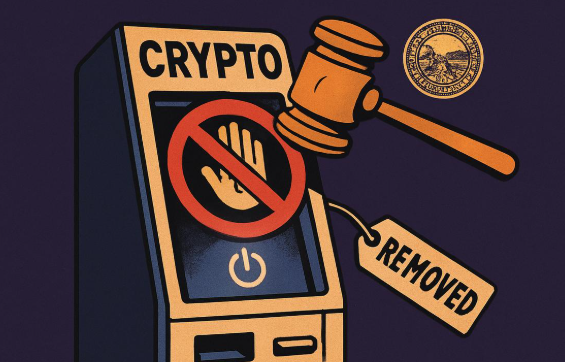
Minnesota has become the latest U.S. state to take action against cryptocurrency ATM operations, with a new ban on crypto kiosks officially taking effect following mounting concerns over fraud, scams, and consumer losses.
According to information confirmed through the X account of Coin Bureau and independently reviewed by Hokanews, Minnesota's restrictions on cryptocurrency ATMs went into effect on Saturday after state officials reported that scams involving these machines resulted in approximately $1 million in losses between 2023 and 2025.
The U.S. hosts the world's largest network of cryptocurrency ATMs, with tens of thousands of kiosks deployed across the country in convenience stores, gas stations, and shopping centers. The Federal Trade Commission (FTC) has separately issued consumer alerts warning about Bitcoin ATM scams, noting a sharp nationwide increase in reported losses tied to these machines. Minnesota's move represents one of the strongest regulatory responses against crypto ATM operators in the United States, as lawmakers seek to shield residents from criminals who have increasingly exploited cryptocurrency kiosks as part of fraud schemes.
Officials say the ban is designed to curtail opportunities for scammers who coerce victims into sending money through crypto ATMs under false pretenses, including fake investment opportunities, impersonation scams, and fraudulent payment demands.
While supporters argue that the measure will protect vulnerable consumers, critics have raised concerns about whether an outright ban on crypto ATMs could limit legitimate cryptocurrency access for users who depend on these services.
Crypto ATMs Become a Target of Fraud Concerns
Cryptocurrency ATMs, sometimes referred to as Bitcoin ATMs or digital currency kiosks, allow users to buy or sell cryptocurrencies using cash. Unlike traditional cryptocurrency exchanges that require online accounts and identity verification procedures, many crypto ATMs provide a faster and simpler way for users to interact with digital assets. They also typically charge significantly higher fees than online exchanges, sometimes exceeding 10–20% per transaction, a cost burden that has compounded losses for scam victims.
This accessibility has fueled their popularity, particularly among individuals who may lack experience with conventional cryptocurrency platforms. However, regulators and law enforcement agencies have increasingly warned that the very convenience that attracts legitimate users has also made crypto ATMs appealing tools for criminals.
Scammers frequently instruct victims to visit cryptocurrency kiosks and deposit cash in exchange for digital assets, which are then transferred to wallets controlled by the criminals. Once a transaction is completed, recovering the funds can be extremely difficult because blockchain transactions are generally irreversible.
Minnesota officials said the rise in crypto ATM-related fraud cases underscored the need for stronger consumer protections.
Officials Highlight Nearly $1 Million in Losses
The decision to implement the ban followed reports that Minnesota residents lost approximately $1 million through cryptocurrency ATM-related scams between 2023 and 2025. Authorities said victims included individuals targeted by various types of fraud, with scammers often employing psychological manipulation to pressure people into sending cryptocurrency.
Common schemes reportedly involved criminals impersonating government agencies, financial institutions, technology companies, or law enforcement organizations. In many cases, victims were falsely told they needed to make cryptocurrency payments to resolve alleged problems involving taxes, accounts, security threats, or legal issues.
After being directed to crypto ATMs, victims transferred funds directly to wallets controlled by scammers. Officials warned that once cryptocurrency is sent, victims often have limited options for recovery.
The losses highlighted broader concerns that consumers, especially those unfamiliar with digital assets, may not fully understand the risks associated with cryptocurrency transactions.
How Crypto ATM Scams Typically Operate
Crypto ATM scams rely more heavily on social engineering than on technical hacking. Criminals usually initiate contact with potential victims through phone calls, emails, text messages, or online platforms. They manufacture a sense of urgency by claiming that immediate action is required, making victims more likely to follow instructions without carefully verifying information.
A scammer may falsely pose as a government agent demanding payment, a bank employee warning about account problems, or an investment advisor promising unrealistic returns. Victims are then instructed to withdraw cash and deposit it into a cryptocurrency ATM. After the transaction is completed, the cryptocurrency is transferred to an unknown wallet controlled by the scammer.
Because cryptocurrency transactions move quickly and operate across international networks, law enforcement agencies often face significant challenges in tracing and recovering stolen funds.
Minnesota Joins a Broader Regulatory Trend
Minnesota's decision reflects a wider national debate over how governments should regulate cryptocurrency services. At the federal level, crypto ATM operators are classified as Money Services Businesses (MSBs) by the Financial Crimes Enforcement Network (FinCEN), requiring them to register and comply with anti-money laundering (AML) regulations. Despite this framework, the FTC and state attorneys general have continued to report rising fraud losses, prompting calls for stricter oversight.
Some states have introduced stricter licensing requirements, transaction limits, warning notices, or operational standards for crypto ATM providers. Others have considered stronger enforcement measures against companies operating kiosks associated with high volumes of fraud complaints.
Supporters of stricter regulation argue that cryptocurrency businesses should be held to consumer protection standards comparable to those governing traditional financial institutions. They believe additional oversight can prevent criminals from exploiting new financial technologies. However, cryptocurrency advocates counter that excessive restrictions could limit access to digital assets and stifle innovation.
Supporters Say Ban Protects Consumers
Supporters of Minnesota's crypto ATM ban argue that the measure is necessary to protect residents from financial exploitation. They point to the growing number of scams involving cryptocurrency payments and note that vulnerable individuals are frequently targeted by sophisticated criminal networks.
Unlike traditional bank transfers, cryptocurrency payments are usually irreversible once completed, creating additional challenges for victims seeking refunds or assistance. Supporters believe that removing crypto ATMs from operation will curtail one of the easiest methods criminals use to obtain cryptocurrency from unsuspecting victims.
For lawmakers backing the ban, the issue centers not on cryptocurrency technology itself but on preventing criminals from exploiting easily accessible payment channels.
Critics Warn About Limiting Access
Opponents of the ban argue that completely removing crypto ATMs may not eliminate cryptocurrency fraud. They suggest that scammers may simply shift to other channels, including online platforms, peer-to-peer transactions, or foreign-based services.
Some cryptocurrency advocates maintain that better education, stronger identity verification, and improved consumer warnings would be more effective than an outright ban. They argue that responsible cryptocurrency users should not lose access because criminals misuse the technology.
Critics also note that crypto ATMs serve as a gateway to digital financial services for some users who may face difficulties using traditional banking systems or online exchanges.
Cryptocurrency Regulation Continues Expanding
The Minnesota decision comes as governments worldwide continue developing new rules for cryptocurrency businesses. Regulators are increasingly focused on preventing fraud, money laundering, and financial crimes involving digital assets. At the same time, many governments acknowledge the economic potential of blockchain technology and cryptocurrency innovation.
Crypto ATMs have become a particularly sensitive regulatory issue because they combine physical accessibility with the speed and complexity of digital transactions. As adoption grows, regulators are expected to continue evaluating whether existing consumer protection frameworks are adequate.
Impact on Crypto ATM Operators
The new restrictions will significantly affect cryptocurrency ATM operators in Minnesota. Companies operating kiosks may need to remove machines, halt services, or overhaul their business models to comply with regulatory requirements.
Operators have argued that legitimate businesses should not be penalized for the actions of bad actors. Some industry participants have invested in compliance systems designed to prevent fraud, including transaction monitoring, identity verification, and customer warnings. However, regulators maintain that existing safeguards have not been sufficient to prevent significant consumer losses.
The future of crypto ATM operations in Minnesota will likely depend on whether lawmakers consider alternative regulatory frameworks in the coming years.
Consumer Awareness Remains Critical
Regardless of regulatory changes, financial experts continue to emphasize the importance of consumer education. Authorities repeatedly warn residents never to send cryptocurrency payments to unknown individuals, particularly when pressured through urgent requests.
Government agencies, banks, and legitimate companies generally do not require cryptocurrency payments through ATMs to resolve account issues or legal matters. Consumers are encouraged to independently verify information before making financial transactions and to remain cautious of promises involving guaranteed investment returns.
Future of Crypto ATMs in the United States
Minnesota's ban could influence discussions in other states weighing similar measures. As cryptocurrency adoption continues to expand, lawmakers are likely to face growing pressure to address fraud concerns while preserving opportunities for innovation.
Some states may pursue stricter bans, while others may opt for licensing systems and stronger oversight requirements. The outcome of these policy debates could shape the future role of cryptocurrency kiosks across the United States.
For the cryptocurrency industry, the situation underscores the importance of building stronger consumer protections and improving public understanding of digital assets.
Source: Hokanews (https://www.hokanews.com/2026/08/minnesota-implements-crypto-atm-ban.html), Coin Bureau (https://x.com/hokanewscom)

