Minimum Safe Manning Must Not Become Shipping's Commercial Target
Key Takeaways
- •Minimum safe manning levels established under SOLAS were conceived as regulatory safeguards but are increasingly functioning as standard operating crew complements despite rising operational demands.
- •Fatigue among seafarers degrades concentration, judgment, communication, and situational awareness, directly undermining a crew's capacity to respond effectively to emergencies at sea.
- •The maritime industry typically addresses emerging risks by introducing additional procedures and checklists without proportionally increasing the number of personnel available to execute them.
- •OCIMF guidelines for tanker operations already set expectations that exceed basic regulatory requirements on seafarers' work and rest hours, including recommendations for digital logging to prevent record manipulation.
- •Shipowners can protect crew rest hours by implementing strict contractual clauses and data-backed operational limits, converting safety boundaries from internal policies into legally enforceable requirements.
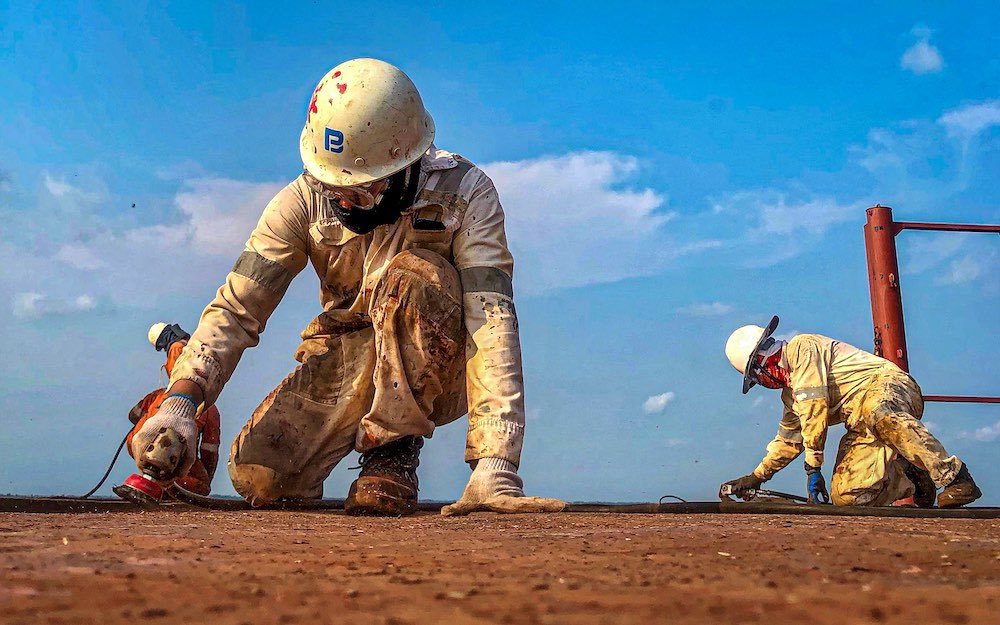
Fatigue weakens the last line of defence at sea, and regulatory minimums do not always reflect the workload crews now face, writes Steve Cameron, chair of the London branch of the Nautical Institute.
Opening the Nautical Institute London Branch conference on geopolitical maritime risks and security threats to seafarers, Cameron asked delegates to consider a simple question: what can be done to make life safer and better for the people at sea?
The conference programme was wide ranging, covering conflict zones, cyber incidents, GNSS disruption, abandonment, and the shadow fleet. Yet the words that persisted throughout the day were fatigue, leadership, and kindness. While they may sound less dramatic than missiles, drones, or electronic interference, they have a direct bearing on whether a ship's crew can respond effectively when a situation deteriorates.
During one discussion, a speaker questioned whether minimum safe manning can sometimes come to mean little more than the lowest allowable crewing level. It was an uncomfortable but important point. Minimum safe manning has an essential regulatory purpose: under the International Convention for the Safety of Life at Sea (SOLAS), flag states are required to establish and certify minimum safe manning levels ensuring sufficient crew so that rest hours can be complied with. The concern arises when the approved minimum becomes the normal operating complement, even as the demands placed on the vessel continue to grow.
Ships and trading patterns do not stand still. Port calls become more frequent, turnaround times tighten, and reporting requirements increase. New procedures are introduced to deal with cyber risk, sanctions, security threats, and navigational disruption, while the number of people available to carry them out may remain unchanged.
The pressure becomes significant when several demands arrive simultaneously. A vessel entering a high-risk area may need extra lookouts, increased security watches, closer contact with naval authorities, and more emergency preparation — none of which removes the normal workload. Machinery still has to be maintained, cargo handled, the ship navigated, and records completed. The risk level may change overnight, but the number of people onboard does not.
This is why fatigue cannot be treated simply as a welfare issue. It affects concentration, judgement, communication, and the ability to recognise when something simply does not look right. All of these matter when a bridge team is deciding whether the position shown by its equipment is credible, or when a cyber incident initially resembles an ordinary technical failure. In those moments, the crew may be the last meaningful line of defence, and that defence is weaker when people are tired or overstretched.
The industry often responds to an emerging risk by adding another procedure, checklist, or training requirement. There may be sound reasons for each one, but together they create work. Producing a procedure does not create another officer to carry it out, and a record showing that rest hours have been met does not necessarily mean somebody has slept properly.
Automation can certainly help, but more technology does not automatically mean less work. New systems bring alarms, interfaces, more data to be analysed, and dependencies that somebody onboard must understand and respond to. A lean crewing model may look efficient while everything is working normally; its weakness becomes apparent when machinery fails, a crew member falls ill, or several systems produce conflicting information.
This is not an argument for adding the same number of people to every ship. Different vessels and trades have different requirements. It is an argument for reviewing manning honestly against the operation being conducted now, rather than assuming an approved figure will remain appropriate indefinitely.
Leadership and kindness both matter here. Good masters and shore managers recognise when people are approaching their limits and encourage concerns to be raised without treating them as weaknesses. A manager who understands the pressures facing a crew is more likely to ask the right questions and identify a problem before it becomes an incident. Even the best leadership, however, cannot overcome a structural shortage of people or time, and a master should not be left deciding which essential task must wait because the crew cannot safely complete everything expected of them.
It is worth noting that through its guidelines, the Oil Companies International Marine Forum (OCIMF) — the industry body that sets safety and best-practice standards for tanker operations and offshore terminals — sets expectations that exceed basic regulations relating to the Requirements Governing Seafarers' Hours of Work and Rest. OCIMF recommends the use of digital software for accurate logging and to eliminate the "adjustment" of records.
However, the responsibility extends beyond owners and managers. Terminals shape turnaround times, customers request ever more information, and charterers drive schedules. The effect of this accumulation of additional demands can be mitigated by shipowners implementing strict contractual clauses and data-backed operational limits to protect crew rest hours, thus moving safety limits from an internal policy to a legally enforceable boundary.
It should no longer be enough to demonstrate that a ship carries the statutory minimum crew. The more meaningful question is whether it carries sufficient crew to conduct the voyage safely, respond to the unexpected, and do so without fatigue becoming an acceptable operating condition. Minimum safe manning was conceived as a safeguard. It should never become shipping's commercial target.
Source: Splash247

