Millennials Say They Won’t Care for Aging Boomer Parents, But Many Are Already Doing It as Inheritance Shrinks
Key Takeaways
- •Approximately 4 million Baby Boomers are turning 80 this year, marking the first wave of a 76 million-strong generation entering advanced old age.
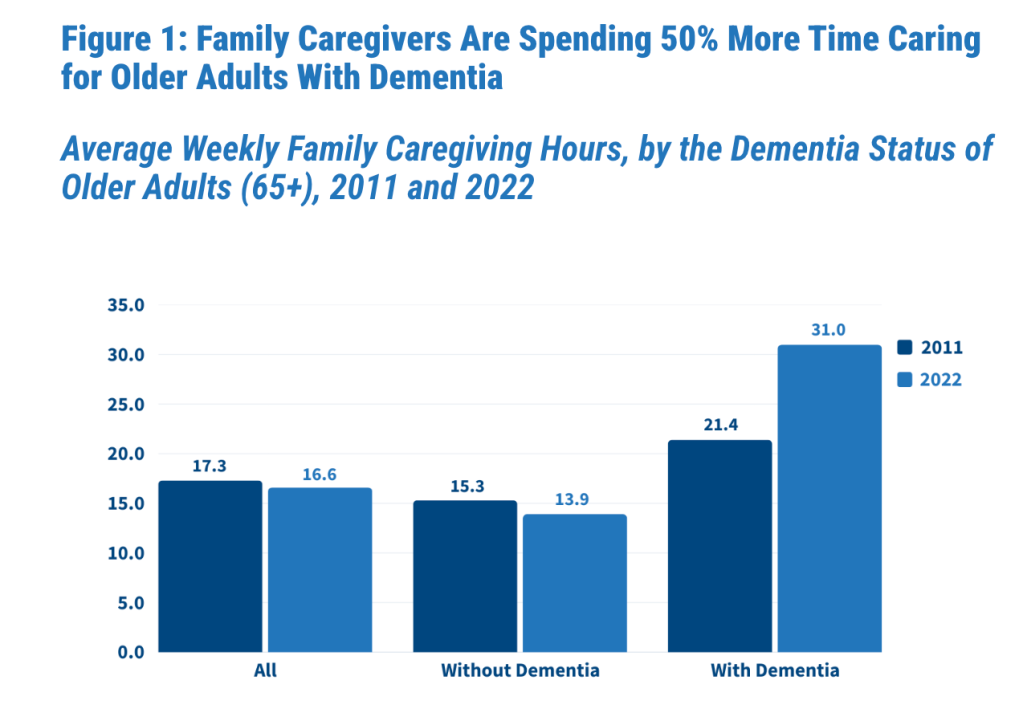
- •The number of family caregivers for older adults increased 32% from 2011 to 2022, rising from 18.2 million to 24.1 million, with adult children representing the largest share at 40.7%.
- •AARP estimates that unpaid family caregiving in the U.S. is worth approximately $600 billion annually, with the burden falling disproportionately on women, who make up roughly six in ten caregivers.
- •The median annual cost of a private nursing home room exceeds $100,000, and Medicare generally does not cover long-term custodial care, leaving families to absorb the financial burden.
- •Only about $36 trillion of the $93 trillion in Boomer assets is projected to reach Gen X and Millennial heirs over the next 20 years after retirement spending, debt, taxes, and fees are deducted.
Online, Millennials are declaring open revolt against their aging Boomer parents. In households across America, however, many are already providing that care anyway—unpaid, exhausted, and often short on money.
A three-year-old Reddit thread from r/BoomersBeingFools went viral again this month, drawing millions of reactions to a post that read: “Not an issue, we refuse to take care of you. Old folks home it will be.” The post was originally written in response to a Vox article warning that Millennials were unprepared for a coming elder-care crisis, and its renewed attention in July came as the first Baby Boomers reached age 80.
As the Wall Street Journal reported, citing demographer William Frey of the Brookings Institution, roughly 4 million Baby Boomers will turn 80 this year, marking the first wave of a generation that numbers 76 million. Commenters piled on with complaints about housing costs, student debt and a weakened social safety net, arguing that refusing to provide care is simply “a consequence” of choices Boomers made.
It can sound like a generational standoff. But the data suggests a different reality in many American homes.
The sad reality: They are already doing it
Far from opting out, Millennials are becoming a caregiving generation by default. According to a Population Reference Bureau fact sheet, the number of family caregivers assisting older adults rose 32% between 2011 and 2022, increasing from 18.2 million to 24.1 million. Adult children remain the largest single category of family caregiver in the United States, accounting for 40.7%.
Multigenerational living is also on the rise. More than 66 million Americans, or roughly one in four, now live in multigenerational households. Pew Research has attributed the trend primarily to financial necessity rather than family devotion, but the effect is the same: caregiving responsibilities deepen rather than disappear. The anger on Reddit may be real, but the workload is real too.
The scale of that workload is staggering. AARP estimated in a 2023 report that unpaid family caregiving in the U.S. is worth roughly $600 billion annually, a figure that dwarfs spending on formal paid care. Much of that labor comes at a direct cost to caregivers themselves in lost wages, reduced hours, and stalled careers—a burden that falls disproportionately on women, who make up roughly six in ten family caregivers.
Why the reality plays out differently
Several structural forces help explain why Millennials continue to provide care even when they say online they will not. In an interview with LiveNOW from Fox, Washington Post reporter Federica Cocco said families are smaller than they used to be, leaving fewer siblings to divide caregiving duties. “My grandmother had six children. They’re taking care of her now in rotation. My mother has two children, and I myself only have two,” she said.
Adults are also more geographically dispersed from aging parents than in previous generations, and there is a documented shortage of paid care workers, which pushes more responsibility back onto unpaid family members. The cost of professional care compounds the problem: Genworth Financial's annual Cost of Care Survey has put the median annual cost of a private room in a nursing home above $100,000, a price few families can absorb without depleting savings. And Medicare, the federal health program for seniors, generally does not cover long-term custodial care—the kind of help with daily living that most aging adults eventually need—leaving families to fill the gap or spend down assets to qualify for Medicaid.
The burden is increasing at the same time that planning tools are failing families. Cocco cited the case of a man named Conrad Miles, who saved $200,000 for retirement and did “everything right,” only for that cushion to disappear. He died at 93 with just $30,000 left, barely enough to cover a few months of assisted living.
According to Boston College’s Center for Retirement Research, nearly one in five Americans will need high-intensity long-term care for more than three years.
And the inheritance is shrinking too
The irony is that the reward Millennials may once have expected for this caregiving — the long-promised “greatest wealth transfer in history” — is also shrinking.
According to Realtor.com’s analysis of new Visa Business and Economic Insights data, Boomers hold about $93 trillion in assets. But only around $36 trillion is likely to reach Gen X and Millennial heirs over the next 20 years, or roughly 39 cents on the dollar, after retirement spending, debt, taxes and fees are deducted.
“The house is usually the last asset left in retirement,” said Evan Mills, an associate financial adviser at Scholar Advising, in the piece. “So it often turns into a retirement emergency fund before it ever becomes the children’s inheritance.”
The result is a picture that looks less like defiant Millennials abandoning their parents in “old folks homes” and more like millions of them quietly carrying both the labor and financial costs of aging parents, with a smaller inheritance waiting at the end, if anything is left at all. The revolt, it turns out, is happening mostly in the comments section.
For this story, Fortune journalists used generative AI as a research tool. An editor verified the accuracy of the information before publishing.
This story was originally featured on Fortune.com

