Miles Taylor Says Trump’s Anti-Fraud Task Force Is a Tool for Political Revenge
Key Takeaways
- •Miles Taylor said the Trump administration’s anti-fraud effort is aimed at political enemies rather than serious criminals.
- •He argued that major white-collar and corporate fraud prosecutions have declined while the administration has pardoned wealthy executives and dropped cases against friendly companies.
- •Taylor cited Minnesota as an example, saying welfare fraud was used to justify an immigration crackdown and pressure on state leaders.
- •He said the DOJ’s new fraud division reporting directly to Vice President JD Vance is unprecedented and bypasses the attorney general.
- •Taylor said fraud allegations have also been aimed at Letitia James, Adam Schiff, and Lisa Cook, and he expects future investigations to examine the White House itself.
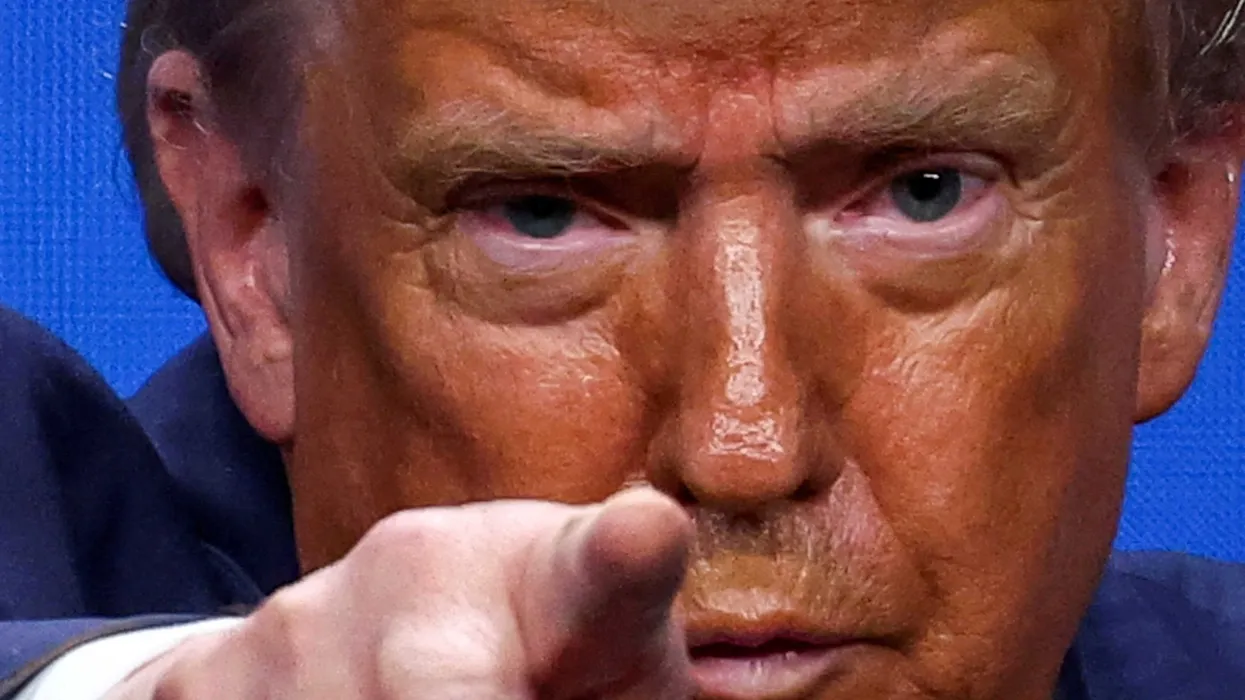
While President Donald Trump says he has been waging a war on fraud, one of his former officials says the White House-led anti-fraud task force is really a “ruse to prosecute political foes.” The claim comes from Miles Taylor, who served as Homeland Security deputy chief of staff during Trump’s first term and later wrote an anonymous article describing the administration’s internal dysfunction.
Writing Thursday, and citing reporting from The New York Times and other outlets, Taylor said the Trump administration has been leveling fraud allegations against targets ranging from immigrant-owned ice cream trucks to Democratic governors.
“The goal was not to take down serious criminals,” Taylor argued. “It was storytelling. Trump says his enemies are grifters. Accordingly, he’s reorienting the federal government to prove — whether they’re governors or immigrants — that his political and societal opponents are rotten right down to the food trucks from which they sell.”
Taylor said the administration’s approach is exposed by what it is not doing. “As DOJ is building these types of cases, it’s simultaneously abandoning major white-collar prosecutions,” he wrote. “Corporate investigations (which can uncover billions in theft and billions in restitution for victims) have fallen to their lowest level in decades. In fact, the Times found that the volume of such cases is literally thousands below the Biden administration and far below Trump’s own first term. Meanwhile, the president has been pardoning wealthy executives and dropping cases left and right against friendly corporations. So no, the Trump administration is not hunting fraud. It’s hunting down its enemies with anything it can find. ‘Fraud’ just happens to be the easiest label to apply.” The contrast, Taylor argued, matters because fraud enforcement can be a genuine tool for recovering losses and pursuing financial crime, but in his view the current effort is being directed unevenly.
He pointed to Minnesota as a particularly clear example. Taylor wrote that late last year, welfare fraud was used as the “thinly veiled pretext” for a major immigration crackdown and political pressure campaign in a state led by Democrat Tim Walz, who challenged Trump for the White House in 2024.
“Thousands of ICE and CBP agents flooded into Minnesota to address a problem that — if the reasons were genuine — should have required not more than a few dozen accountants,” Taylor wrote. “It certainly didn’t need gun-toting agents. While Trump was forced into retreat, his team first tried to coerce state leaders to forfeit their voter rolls, which critics pointed out had precisely nothing to do with the original fraud claims. Of course it didn’t; from the start, the whole exercise was about political leverage.”
Taylor also argued that the way the effort is structured shows its true purpose. “To understand what Trump’s task force is actually meant for,” he wrote, “just look at how it’s being managed. The DOJ’s new fraud division doesn’t report to some expert in criminal investigations. It reports directly to Vice President JD Vance, an arrangement without precedent, especially since it effectively circumvents the Attorney General himself…In June, he personally made the criminal referral against Walz. Asked where the ‘war on fraud’ goes next, Vance answered: California.”
Taylor added that the administration’s fraud allegations have also been directed at New York Attorney General Letitia James, who previously won a nine-figure civil fraud case against Trump, as well as Senator Adam Schiff (D-NY) and Federal Reserve Governor Lisa Cook.
“‘Fraud’ has become the administration’s codeword for ‘revenge,’” Taylor said. “The term is a respectable-sounding wrapper for criminalizing the political opposition. And now that Trump’s team has systematized the plan with a task force — making the issue a top priority for all U.S. attorneys in the country — we will see more and more cases brought, like the recent cases against left-leaning nonprofit Southern Poverty Law Center.” For readers watching the effort unfold, the practical question is less about the rhetoric than how often the task force’s targets overlap with Trump’s critics and political adversaries.
Taylor said the real fraud, in his view, is inside Trump’s White House and will eventually be uncovered by a future Democratic administration.
“They can’t shred it all on the way out the door, because they’ve trapped themselves,” he wrote. “If they want their prosecutions to survive, there must be evidence, discovery, and a chain of custody. The records must exist somewhere, or the cases go away. I suspect that when investigators finally follow that paper trail, it will lead exactly where the Letitia James and Adam Schiff cases already point — back to the White House — and to proof of the deliberate weaponization of the American government against its own citizens. That’s when the real fraud trials will begin.”
