Miles Taylor Warns Trump's Allies: A Presidential Pardon Can't Save You From State Prison
Key Takeaways
- •Miles Taylor, former DHS chief of staff during the first Trump administration, called on state governments in a Monday column to pursue Trump and his allies over 2020 election subversion efforts.
- •The Justice Department filed a lawsuit on October 22 seeking to block Alaska from certifying its Senate race if Republican Dan Sullivan loses, citing possible voter confusion with another same-named candidate, even though Sullivan's campaign said it never requested the intervention.
- •DOJ has sent letters threatening prosecution to officials in all 50 states, filed thirty lawsuits seeking state voter rolls, deployed about a thousand federal poll monitors, and sent armed agents to knock on voters' doors in nine states until a blocked the practice as voter intimidation.
- •A DOJ official indicated more states could be sued before or after Election Day, while Todd Blanche declined to rule out blocking certification, which he called a 'doomsday scenario.'
- •Presidential pardons cover only federal offenses, and state prosecutors previously brought charges tied to false elector certificates in Georgia, Michigan, Nevada and Arizona, cases entirely outside presidential clemency power.
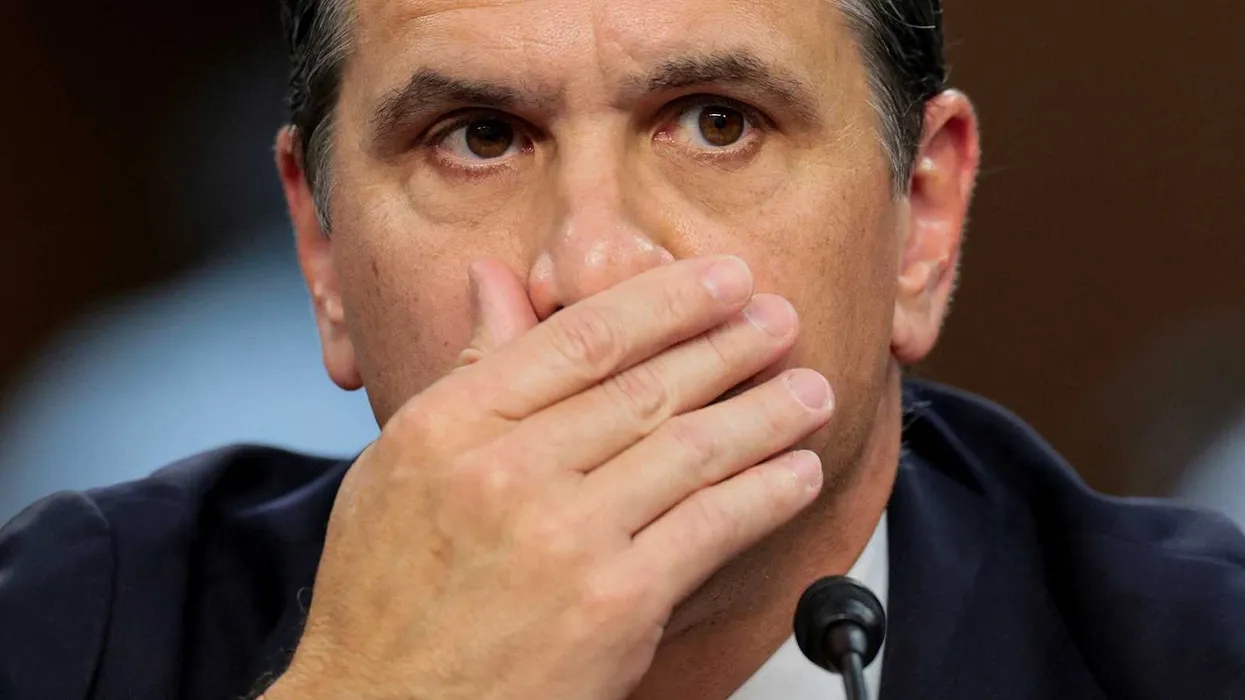
Miles Taylor, a former chief of staff at the Department of Homeland Security who served during the first Trump administration and later became a public critic of the president, is calling on state governments to pursue President Donald Trump and his allies over their efforts to overturn the 2020 election — a warning he argues is all the more urgent now that Trump is seeking to reshape another election.
In a column published Monday, Taylor argued that the Trump administration is preparing to contest unfavorable midterm election results through lawsuits filed by the Justice Department. In his view, the DOJ is positioned to pressure election officials and potentially interfere with certification. He also cautioned that loyalty to Trump will not necessarily shield those involved from prosecution or professional consequences.
A Justice Department lawsuit filed last week seeks to block Alaska from certifying its Senate election if Republican Dan Sullivan loses, citing the possibility that voters could be confused by another candidate with the same name. Taylor noted that the differences between the two Dan Sullivans are obvious on the ballot. The intervention stands out in a system where certification of results belongs to the states: county canvassers and state officials — not federal prosecutors — are the ones who sign off on winners under state deadlines.
"The brazenness is remarkable," Taylor wrote. "On October 22, DOJ sued Alaska to bar the state from certifying its Senate race if Republican Senator Dan Sullivan loses to Mary Peltola, on the theory that a second man named Dan Sullivan on the ballot might confuse voters. The election hasn't even happened. Yet Trump told reporters he personally directed it, and even Senator Sullivan's campaign said it never asked for DOJ's intervention."
In a separate federal effort, authorities moved to segregate California ballots linked to suspected noncitizens — an initiative undermined, critics noted, by inaccuracies in the underlying data. The district attorney ultimately acknowledged that he might not have accurate information on the voters in question. Former federal prosecutors discussing the matter could not help but laugh.
Taylor characterized these actions — alongside Trump's demands for voter rolls, threats of prosecution and federal monitoring at the polls — as an intimidation campaign rather than routine election oversight. He interpreted officials' refusal to rule out blocking certification as evidence that the administration may contest any result it dislikes.
"DOJ has fired off letters to all 50 states threatening election officials with prosecution. The Department has already brought thirty lawsuits seeking the voter rolls of various states," Taylor cited. "They're deploying a thousand federal 'monitors' to the polls, and armed agents were literally knocking on voters' doors in nine states until a judge blocked it last week as voter intimidation. A DOJ official tells NBC that more states could be sued before or after Election Day, leaving open the possibility of ballots being frozen right through certification. And Todd Blanche says that blocking certification is a 'doomsday scenario' he won't rule out."
How the standoff develops is likely to turn on a few visible markers: whether additional suits land before or after Election Day, as the DOJ official suggested; whether the judicial block on door-to-door visits holds; and whether certification proceeds on schedule in contested states. Because election administration is decentralized by design — counties and states run registration, counting and certification under state law — those local and state timelines, not Washington's, are the ones that decide when a result becomes official.
But if the administration believes it can pardon its way through election interference, Taylor argued, it should think again.
Presidential pardons, he explained, cover federal offenses only — not state crimes — a limit written directly into the Constitution's pardon clause, which extends only to offenses "against the United States." Presidential immunity does not automatically extend to advisers, lawyers or prosecutors. Indeed, he argued, officials who unlawfully pressure state election administrators could face investigation under state laws addressing threats, conspiracy, forgery or election interference. The scenario is not hypothetical: after the 2020 election, state prosecutors brought charges tied to false elector certificates in Georgia, Michigan, Nevada and Arizona — cases that ran through local courts under locally elected officials, entirely beyond any president's clemency power.
"So to Trump's henchmen, let me offer a friendly reminder before you move to decertify election results or prevent the peaceful transfer of power: the man you're doing this for is putting you at risk… he doesn't care about you… and even if he did, he cannot save you from accountability," Taylor closed.

