Argentina Targets Falklands Oil Drillers With Tougher Sanctions
Key Takeaways
- •Argentine President Javier Milei threatened sanctions on companies drilling near the Falkland Islands and said firms involved in unauthorized projects will be barred from operating in Argentine territory.
- •Milei's stance follows suggestions from U.S. President Donald Trump that the United States might review its neutrality on the Falklands dispute.
- •The Sea Lion field, operated by Navitas Petroleum's UK subsidiary and Rockhopper Exploration, holds an estimated several hundred million recoverable barrels and is the largest hydrocarbon project in Falklands waters.
- •The Sea Lion Northern Development has reached Final Investment Decision, with first oil targeted for March 2028 and production expected to last over 30 years.
- •Argentina's 2015 hydrocarbons law imposed criminal and financial penalties on unauthorized exploration near the Falklands, though it has had limited practical effect so far.
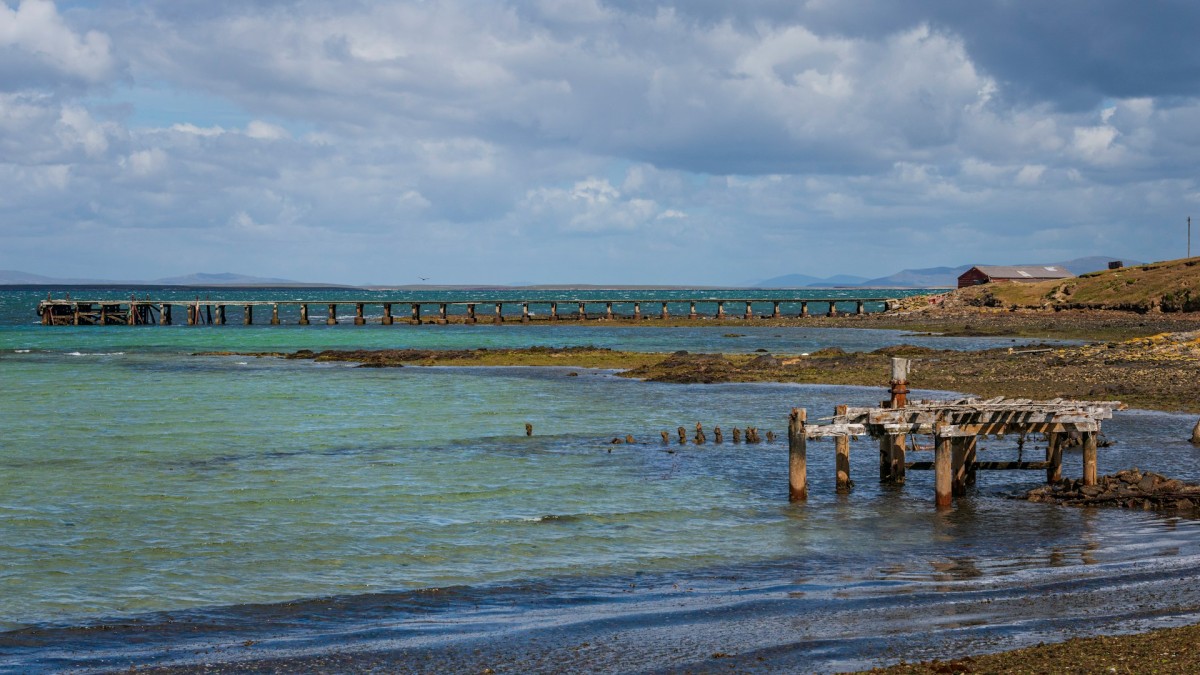
Argentina's President Javier Milei has threatened to impose sanctions on oil companies drilling near the Falkland Islands, after reiterating his claim that the British-controlled territory is Argentine.
In a televised address, Milei declared that the Falklands are "historically and legally" Argentine. His remarks appear emboldened by recent hints from U.S. President Donald Trump that the United States could review its neutrality on the issue and might not back the UK in the Falklands dispute, given the lack of UK support for the U.S. war in Iran.
The UK and Argentina fought a brief war in 1982 over the Falklands, which Argentina calls Las Malvinas, but the tension and the dispute never fully faded. Britain has controlled the islands since 1833, while Argentina has long claimed them as part of its territory. Milei, whose libertarian government has otherwise courted foreign investment and close ties with Washington and London, is now reviving Argentina's claim. Argentina has previously used legislation to pressure drillers: a 2015 hydrocarbons law introduced criminal and financial penalties for companies exploring offshore the Falklands without Argentine authorization, although the measures have had limited practical effect on operations around the islands.
A UK-based company is operating the Sea Lion oil discovery, located some 220 kilometers (137 miles) north of the Falkland Islands, with development plans already approved. Milei, however, described the Sea Lion oilfield as a "clear and present danger."
"We will continue to bar from operating in Argentine territory companies involved, directly or indirectly, in projects in the (islands) without Argentine authorization," he said.
The Sea Lion oilfield is operated by Navitas Petroleum Development and Production Ltd (NPDP), a UK-based fully owned subsidiary of Navitas Petroleum, together with Rockhopper Exploration plc. Sea Lion, discovered in 2010 by Rockhopper, is the islands' first oil development and is estimated by the operators to hold several hundred million barrels of recoverable oil, making it the largest hydrocarbon project ever undertaken in Falklands waters. The companies have reached a Final Investment Decision (FID) on the Sea Lion Northern Development, meaning all the necessary approvals and funding for full-scale project execution have been secured. First oil is planned for March 2028, according to Navitas Petroleum.
Oil production is expected to last more than 30 years, creating jobs across the Falkland Islands and the UK supply chain over that period.
Having secured the required regulatory approvals for Phases 1 and 2, Navitas Petroleum will begin Phase 1 by drilling 11 subsea wells tied back to a redeployed floating production, storage and offloading (FPSO) vessel. Phase 2 is expected to begin three years after first oil, with 12 further subsea wells to be drilled and tied back.
The standoff leaves operators facing a familiar dilemma: proceeding with a fully sanctioned project while one of the parties to the sovereignty dispute threatens commercial and legal consequences. How Argentina's threatened measures are applied in practice, and how the UK and the islands' government respond, will shape the broader investment climate around Falklands exploration.
By Tsvetana Paraskova for Oilprice.com

