Michigan GOP Senate nominee Mike Rogers urged AIPAC to stay out of his race: report
Key Takeaways
- •Rogers asked AIPAC not to advertise on his behalf in the Michigan Senate race.
- •AIPAC had already spent more than $30 million opposing Abdul El-Sayed during the Democratic primary.
- •El-Sayed turned the group’s spending into a central campaign message before winning the August 4 primary.
- •Talks between the Rogers campaign and AIPAC have stalled, and the group may seek another path to influence the race.
- •The dispute comes amid broader signs of weaker AIPAC results and heightened political risk in Michigan.
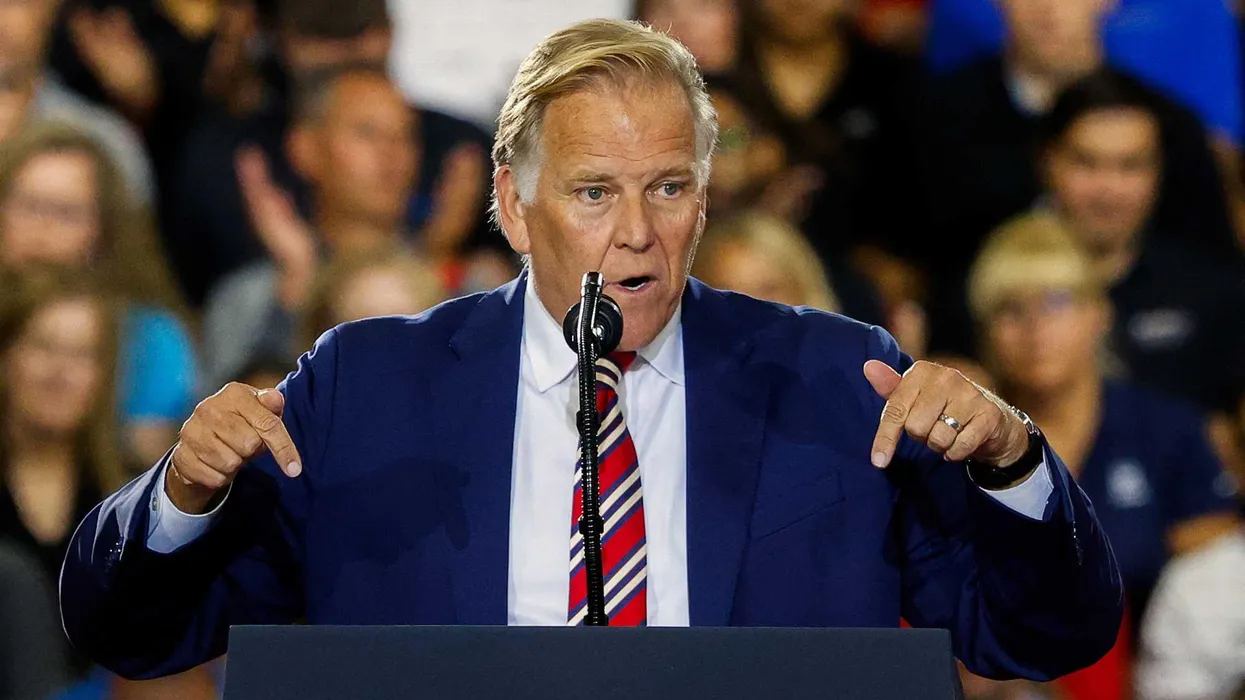
Michigan Republican Senate nominee Mike Rogers has quietly urged one of the nation's most powerful pro-Israel lobbying groups to stay out of his race to succeed retiring Democratic Sen. Gary Peters — an open-seat contest in a narrowly divided Senate where outside spending has already loomed large.
Rogers — a former FBI agent who served seven terms in Congress and chaired the House Intelligence Committee before losing Michigan's 2024 Senate race to Democrat Elissa Slotkin — met with AIPAC's chair in Los Angeles last week, and a day later the organization pulled an ad it had already produced attacking his Democratic opponent, Abdul El-Sayed, according to reporting by Axios. Rogers' campaign asked AIPAC not to advertise on his behalf — a request that has fractured his relationship with the group and laid bare how radioactive it has become, even among the Republicans it wants to help, Axios reported.
AIPAC had poured more than $30 million into trying to sink El-Sayed during the Democratic primary, and it was prepared to spend millions more heading into the November 3 general election, according to Axios. The offensive appears to have backfired: El-Sayed — a physician and former Detroit health director who ran for governor in 2018 — is a sharp critic of Israel who has described it as a "rogue state," and he turned the group's spending into a rallying cry, using it to cast his rivals as captive to outside money.
"Come back and burn it again," El-Sayed taunted AIPAC before winning the August 4 primary.
Rogers' team concluded the attacks had simply handed El-Sayed a useful villain, per Axios. Rather than air more AIPAC-branded ads, his allies floated a quieter alternative: steering the group's donors toward a friendly super PAC, or bringing its strategists on board without the organization's name attached. AIPAC balked at the idea and insisted on a visible role, according to Axios.
Talks between the Rogers campaign and AIPAC have since frozen, with other Republicans scrambling to patch things up, Axios reported — leaving open the question of whether the group's money finds another route into the race before November 3.
The friction reflects AIPAC's broader slide. Two years after spending record sums to help defeat Reps. Jamaal Bowman of New York and Cori Bush of Missouri — Democratic critics of Israel — in two of the most expensive House primaries ever, the group has absorbed a run of primary losses. And in Michigan, where Dearborn is home to one of the nation's largest Arab American communities, its embrace carries real risk, Axios noted. A recent Fox News poll found that most Michigan voters now oppose further U.S. aid to Israel.
Rogers has insisted he welcomes "any and all support" from pro-Israel backers, according to Axios.
