Speaker Mike Johnson Insists 'The Polls Are Wrong' When Confronted With Grim GOP Numbers on Fox News
Key Takeaways
- •A new Reuters/Ipsos poll found registered voters favor Democrats over Republicans 47 percent to 36 percent on the generic congressional ballot ahead of midterms in which all 435 House seats are on the ballot.
- •House Speaker Mike Johnson said the polls are wrong, citing two polling firms, Wedgewood and SoCal Strategies, that were exposed for fraudulent numbers in the previous 10 days, though Reuters conducts its own surveys rather than aggregating third-party polls.
- •Johnson also claimed that partisan nonresponse bias, driven by Republicans' reluctance to participate in phone surveys, is skewing results, while the direction of such skew remains a matter of methodological debate.
- •Nate Silver said polling in the past two midterm cycles was accurate and unbiased, and that analysts' low confidence in the surveys may be misplaced.
- •Early voting turnout has far exceeded the level recorded at the same stage of the 2022 midterms, and the final vote count will provide the clearest test of the polls' accuracy.
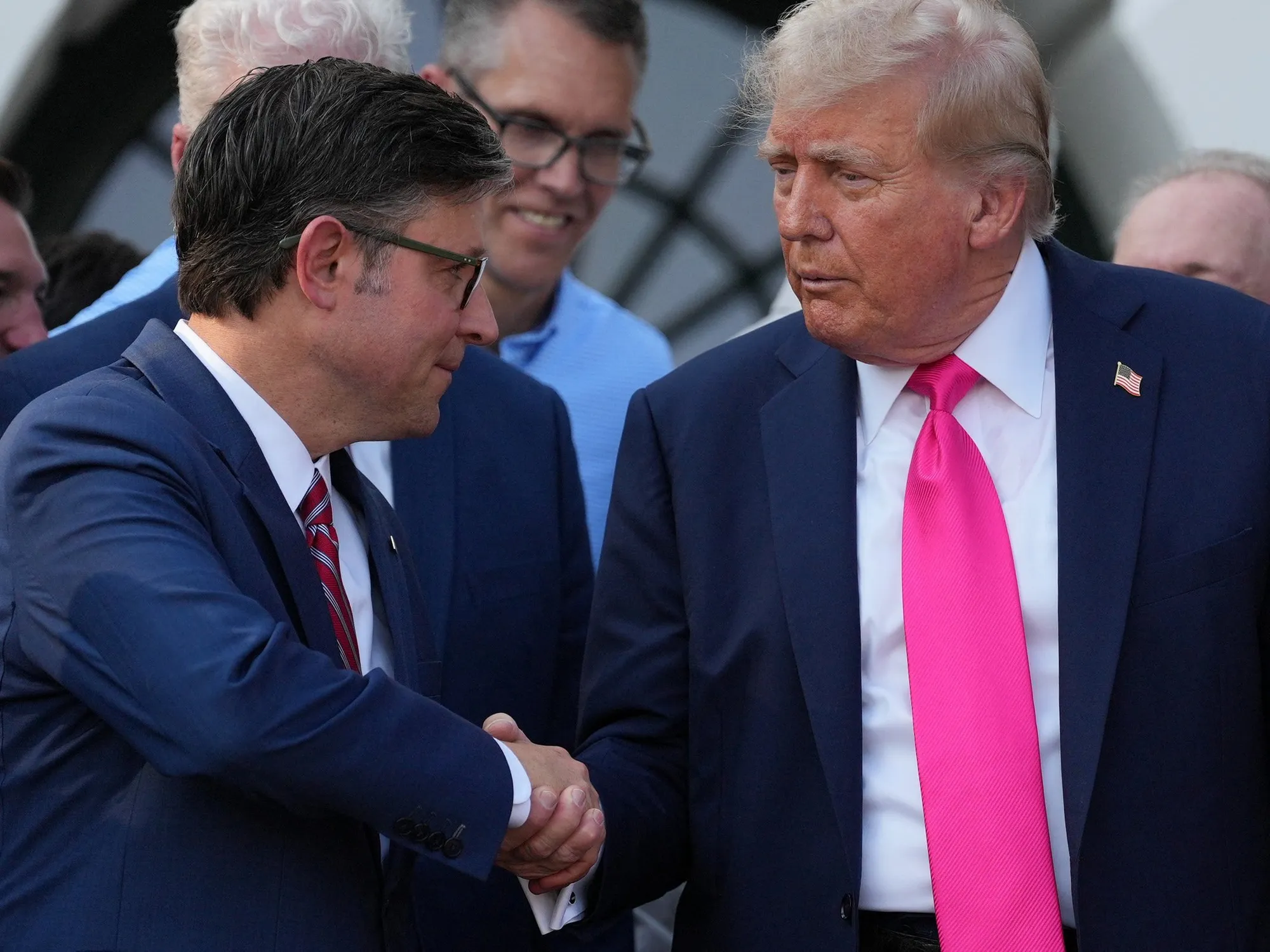
House Speaker Mike Johnson appeared on Fox News host Laura Ingraham's program Monday night, where he was confronted with polling numbers showing Republicans trailing badly ahead of next Tuesday's midterm elections — and he argued the surveys themselves were to blame. All 435 House seats are on the ballot, putting majority control of the chamber directly at stake.
Ingraham opened with a new Reuters/Ipsos poll, which found that registered voters preferred Democrats over Republicans on the generic congressional ballot, 47 percent to 36 percent. The generic ballot — a standard survey question asking voters which party they would back for Congress — is widely used as a gauge of each party's national standing heading into an election.
"Now, people like Nate Silver say the polls would have to be really wrong, crazy wrong almost, for Republicans to pull out victories in the House, at least," Ingraham said, referring to the statistician and founder of FiveThirtyEight.
Silver told the New York Times on Monday that skepticism toward pollsters may be misplaced. "Most analysts seem to have little to no confidence in the polling, but maybe they should," he said. "Polls in the past two midterms were pretty accurate and unbiased. More important, they may not be projecting anything all that remarkable." Polling carries weight in a campaign because the numbers set the expectations against which results are later judged, which is why disputes over survey accuracy tend to sharpen in the final stretch.
Ingraham pressed Johnson directly on the nonpartisan survey. "And then you have that new Reuters Ipsos poll showing registered voters favoring Democrats over Republicans 47 to 36. That's on the generic congressional ballot. So, do you think that poll is not accurate?" she asked.
"Yes, the polls are wrong," Johnson replied. "Let me tell you why. Look, in the last 10 days, we had two polling organizations nationwide that have been exposed for completely fraudulent numbers, Wedgewood and SoCal Strategies. Then you have the more traditional polling organizations having to acknowledge quietly that their numbers are off."
Wedgewood and SoCal Strategies have indeed been shown to be fraudulent. Reuters, however, is a news wire service that conducts its own surveys rather than aggregating third-party polls.
Johnson also invoked a CNN report to argue that late-October polling historically works against his party. "CNN ran a story about a week ago. And they said that 14 out of the last 16 elections, the October generic ballot underestimated Republicans by an average of 4 points," he claimed. "Laura, I think it's even further off this time because more and more Republicans are unwilling to participate in these surveys."
According to Johnson, prospective respondents are reluctant to hand over personal information to strangers over the phone. "They don't play along. They're calling it the partisan nonresponse bias. That's the technical term for 'Republicans don't trust you anymore,'" he claimed. Declining response rates have been a documented challenge for telephone survey research for years, though how much — and in which direction — they skew results remains a matter of methodological debate.
The measure most likely to confirm or undercut Johnson's argument is early voting turnout. The number of people who have already cast ballots far exceeds the turnout recorded at the same stage in 2022, the last midterm election. The dispute over the polls' reliability will face its clearest test once votes are counted and the final surveys can be measured against actual results.
The exchange was captured in a post on X:
Ingraham: Nate Silver says the polls would have to be really wrong for Republicans to hold the house. Johnson: The polls are wrong. Let me tell you why. In the last 10 days we had two polling organizations nationwide that have been exposed for completely fraudulent numbers, Wedgewood and SoCal strategies… — Acyn (@Acyn) October 27, 2026

