Pat Dennis: Mike Johnson's Silence on Alleged Abusers in His Caucus Exposes a Party That Protects Seats Over Children
Key Takeaways
- •Rep. Max Miller has been accused of domestic abuse by his ex-wife Emily Moreno and two other women, allegations spanning a decade that he denies and for which he has not been charged.
- •Speaker Mike Johnson has publicly backed Miller's re-election, calling him a 'great member of Congress,' amid a narrowly divided House where a single seat could affect chamber control.
- •The House Ethics Committee found 'substantial reason to believe' Rep. Chuck Edwards violated sexual harassment rules, leading to his withdrawal from re-election and a censure.
- •Rep. Cory Mills is under an Ethics Committee investigation into dating violence allegations, and former Rep. Tony Gonzales resigned after admitting an affair with a staffer who later died by suicide.
- •Pat Dennis, the author, is president of American Bridge 21st Century, a Democratic-aligned group, making the piece a partisan critique grounded in documented allegations and public statements.
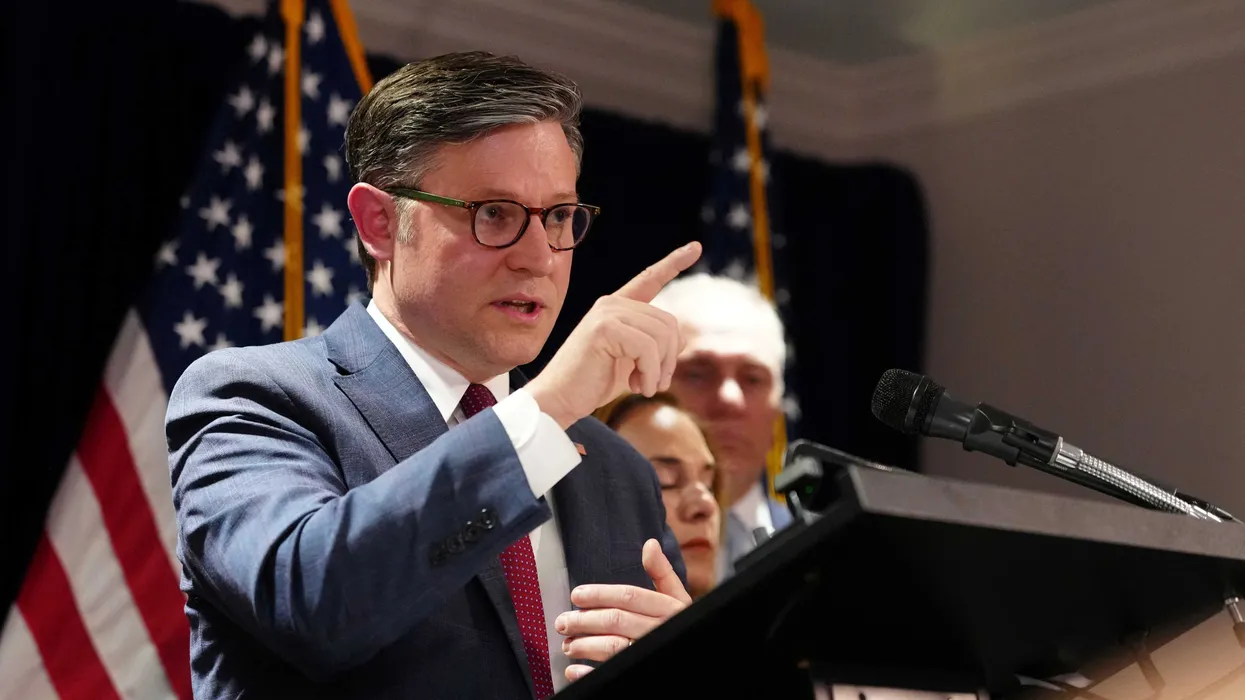
There was a time when the nation's leaders worried about what message their actions would send to children — about how the policies they passed might harm kids, and about the well-being of youngsters forced to live in the world their elders govern. Those days, writes Pat Dennis, are over.
Few things symbolize the moral bankruptcy of the Trump-era Republican Party more clearly, he argues, than the placement of partisan loyalty above the welfare of children. House Speaker Mike Johnson and the Republican Party's steadfast backing of alleged abuser Rep. Max Miller is exactly that, Dennis contends. They have decided that political support for this man — because it might help them pick up one additional seat in the House of Representatives — matters more than the well-being of his ex-wife and his daughter. Shame, he writes, isn't a strong enough word.
Miller has been accused of domestic abuse by his ex-wife, Emily Moreno. The allegations include physical violence such as holding a gun to Moreno's head, throwing scalding hot water on her, and shoving her into a wall. Miller is also alleged to have physically harmed their two-year-old daughter. Moreno is one of three women who have accused Miller of violence, with the alleged pattern of abuse dating back a decade. Miller has denied the accusations, and allegations alone do not constitute findings of wrongdoing; to date he has not been charged with a crime in connection with these claims.
In an interview with CNN's Jake Tapper last month, Miller denied the accusations and vowed to stay in his congressional race, insisting that "Speaker Mike Johnson, everyone else, they're standing behind me. No one told me to get off the ballot." That part is true, Dennis notes. The Speaker has issued no public call for resignation or withdrawal — not even a condemnation of Miller's behavior. Instead, Johnson has stood behind Miller, calling him a "great member of Congress" and supporting his re-election campaign. The calculus is rooted in arithmetic: with the House majority resting on a narrow margin, a single open or lost seat can shape control of the chamber, giving leadership a structural incentive to defend incumbents regardless of controversy.
Dennis writes that as the father of a daughter, he finds it unfathomable that a party leader could sit idly by while a member of his caucus is accused of child abuse and domestic violence. A Speaker of the House treating that as nothing more than a private family matter, he argues, tells every parent that Republicans would rather protect a seat in Congress than protect a kid.
Miller, Dennis notes, is far from the only Republican House member getting a free pass from the Speaker. Predatory behavior, he writes, has become a routine issue within the Republican congressional delegation, and enabling it has become Johnson's routine response. The House Ethics Committee — the chamber's internal watchdog, which can investigate misconduct by members and recommend sanctions up to censure or expulsion — has repeatedly been the venue where these matters have surfaced, raising questions about what happens when its findings meet the Speaker's political priorities.
After the House Ethics Committee found "substantial reason to believe" that Rep. Chuck Edwards violated House rules against sexual harassment, the North Carolina Republican withdrew from his re-election campaign. A barrage of evidence, Dennis writes, shows Edwards was inappropriate with young female staffers, yet all he received was a censure. In public, Johnson and members of the North Carolina delegation have stayed silent.
Florida Rep. Cory Mills is under a House Ethics Committee investigation into allegations of dating violence. Last year, his ex-girlfriend accused him of threatening to release sexually explicit images of her after they broke up. Johnson's response when reporters pressed him on the allegations against both Mills and Miller? "The key word there is 'allegation.'"
Then there is Tony Gonzales, the former Texas representative who resigned from his seat earlier this year after it was revealed he had an affair with a staffer who later took her own life. Johnson refused to join bipartisan calls for Gonzales to drop out until after Gonzales admitted the affair and it was absolutely clear there was no viable path to re-election, Dennis writes. The Republican now running for that seat, Brandon Herrera, has a documented history of making vulgar, degrading comments about mothers and children. Johnson is fundraising for him anyway.
Johnson's heedlessness toward alleged predators, Dennis argues, is despicable but unsurprising. This is the same man who spent weeks trying to block the release of the Epstein files at the President's behest. He has built his career as Speaker around protecting Trump, which in practice, Dennis writes, means protecting powerful abusers over children. That is the path he chose, and he has chosen to keep walking it no matter who that means shielding next.
Johnson's official government website insists that a "just government" embraces "morality." Yet when members of his own conference are accused of violence against children or women, or of using the power differential of their office to pursue young staffers, that moral rhetoric falls deafeningly silent, Dennis writes.
As Speaker, Dennis notes, Johnson has the power to hold his members to a standard of conduct, to help root out predators in his caucus, or at minimum to say that credible allegations of violence are not tolerated in his party. Instead, he has chosen to wield that power to run interference and shield the men accused of these acts. What Johnson cares about, Dennis concludes, is not the dignity of survivors of abuse or the integrity of his party — just holding on to the majority. With the midterms approaching, voters in Ohio, Florida, North Carolina, and Texas will render their own verdicts on the candidates at the center of these disputes — and on whether the Speaker's gamble on protecting seats pays off.
Pat Dennis is the president of American Bridge 21st Century, a progressive research and rapid-response operation affiliated with the Democratic Party. His role means he is a partisan actor, and his framing reflects that vantage point — though the underlying allegations, Ethics Committee findings, and public statements he cites are matters of record.
Source: Raw Story

