Speaker Mike Johnson Branded a 'Co-President' — and First in Line for the GOP 'Slaughter' if the House Falls
Key Takeaways
- •Mike Johnson has served as House speaker since October 2023, when he was elevated from a junior leadership post after Kevin McCarthy became the first speaker in U.S. history removed through a motion to vacate.
- •Some White House staffers refer to Johnson as a kind of co-president because of his constant communication with Trump and his role securing votes for the president's legislation.
- •The party holding the White House has lost House seats in nearly every midterm since World War II, with 1998 and 2002 the only exceptions; in 2018 Republicans lost roughly 40 seats and their House majority.
- •Johnson said close to 100 members have offered ideas for changing House rules to discipline fellow Republicans he cannot control, and he expects proposed rules amendments when organizing the next Congress.
- •If Republicans lose the House, House Republicans reportedly anticipate a leadership contest involving Jim Jordan, Steve Scalise, and Tom Emmer, and some in leadership do not believe Johnson would run for minority leader.
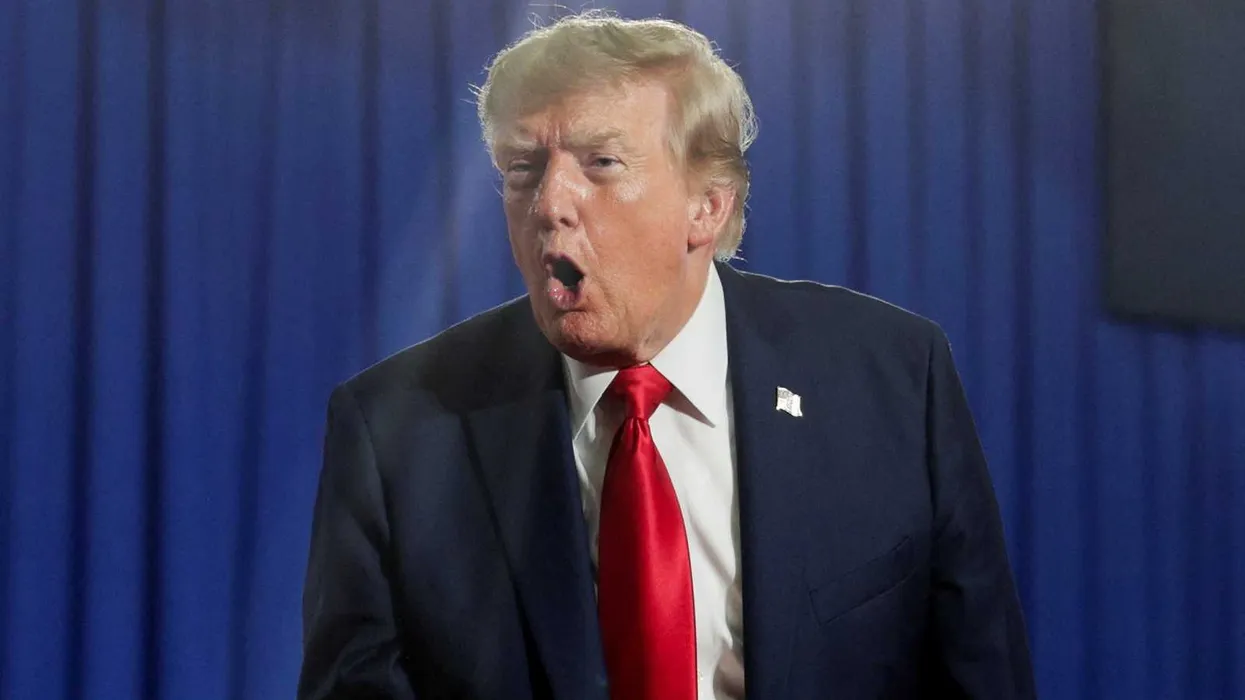
President Donald Trump has spent the first two years of his second term focused on decorating and foreign policy, leaving domestic issues to leaders in the House and Senate. If the Republican Party suffers heavy losses, however, that could mean Trump will have to train an entirely new leadership team.
History frames those stakes. The party holding the White House has lost House seats in nearly every midterm election since World War II, with 1998 and 2002 the only exceptions. The last Republican midterm under Trump, in 2018, saw the party lose roughly 40 seats and its House majority — a wave that broke as then-Speaker Paul Ryan had already announced he would not seek re-election.
At the center of that potential reckoning stands Speaker Mike Johnson (R-La.). According to some White House staffers, Johnson is being referred to as a kind of co-president, NOTUS reported on Monday.
Johnson has held the gavel only since October 2023, when he was elevated from a junior leadership post after Kevin McCarthy became the first speaker in U.S. history removed by a motion to vacate. Johnson survived his own such threat in May 2024, when Democrats helped table the effort to oust him.
Johnson's relationship with Trump has gone beyond the typical pursuit of partisan goals. The president has even joked that Johnson effectively holds two jobs: president and speaker. The speaker is frequently needed to secure votes for Trump's legislation.
That vote-wrangling has been complicated by the GOP's paper-thin House majority, which has repeatedly left leadership with only a handful of votes to spare and given individual defectors outsized leverage.
"Some on his staff have said, 'No, it's really like you're co-president,'" Johnson told NOTUS. "Because the president and I speak all the time."
The rest of his members do not always see it that way. NOTUS cited House Republicans storming out of rooms and slamming doors on the speaker, as well as lawmakers who block GOP legislation or refuse to vote along party lines altogether.
Johnson said none of it bothers him.
"I don't get my feelings hurt. I never do," Johnson said. "With leadership comes attacks and, you know, defamatory remarks and all. That's just part of the job. You're going to be criticized no matter what you do."
Quoting the Bible, Johnson said he does not do the job for "man" but for the "responsibility."
Yet while the speaker insists his feelings go unhurt, he remains open to punishing members who do not play with the team. He cited close to "100 members who have come forward with ideas" on how to change House rules to target fellow Republicans he cannot control.
"That's the cart before the horse," he added. "I mean, when we are organizing for the next Congress, I suspect there will be some proposed amendments to the rules to try to adjust that."
Johnson has been campaigning aggressively for vulnerable House Republicans — a push that is not merely about keeping his job as speaker, but about securing a position in House leadership if Republicans lose the House in the November midterm elections.
The scenarios diverge sharply from there. If Republicans retain the House, Johnson's grip on the speakership is likely secure. If the GOP loses, NOTUS reported that it believes House Republicans expect a leadership scramble involving potential contenders such as Reps. Jim Jordan (R-Ohio), Steve Scalise (R-La.) and Tom Emmer (R-Mn.).
"In the political burn down that's coming, we slaughter everybody at the front of the room," one senior GOP member said in an interview with NOTUS.
Some in the leadership said they do not think Johnson would run for the minority leader post if the GOP loses in November.
Under House practice, party leadership elections for the next Congress are held in the weeks after Election Day, ahead of the speaker's vote when the new Congress convenes in January — meaning any post-election scramble among Republicans would begin almost immediately.
Johnson, for his part, does not think it will come to that. At least publicly, his comments remain optimistic about Republican wins in the 2026 elections.

