Mizuho Names Microsoft (MSFT) Top Software Pick Ahead of Year-End Rally
Key Takeaways
- •Mizuho analyst Jordan Klein selected Microsoft as his primary software investment through the end of 2025 based on Azure growth potential and management's free cash flow commitment.
- •Microsoft's latest quarterly results exceeded expectations with $4.74 EPS and $90.01 billion in revenue, representing 17.7% year-over-year growth.
- •Wall Street's consensus price target for Microsoft stands at $559.16 with a Moderate Buy rating, based on 42 buy ratings and 5 hold ratings.
- •Klein cautioned that the broader software rally is largely driven by technical factors such as passive fund rebalancing rather than fundamental investor conviction.
- •Bernstein assessed that Microsoft is not overbuilding data center capacity and that infrastructure investments would remain productive even if AI demand weakens.
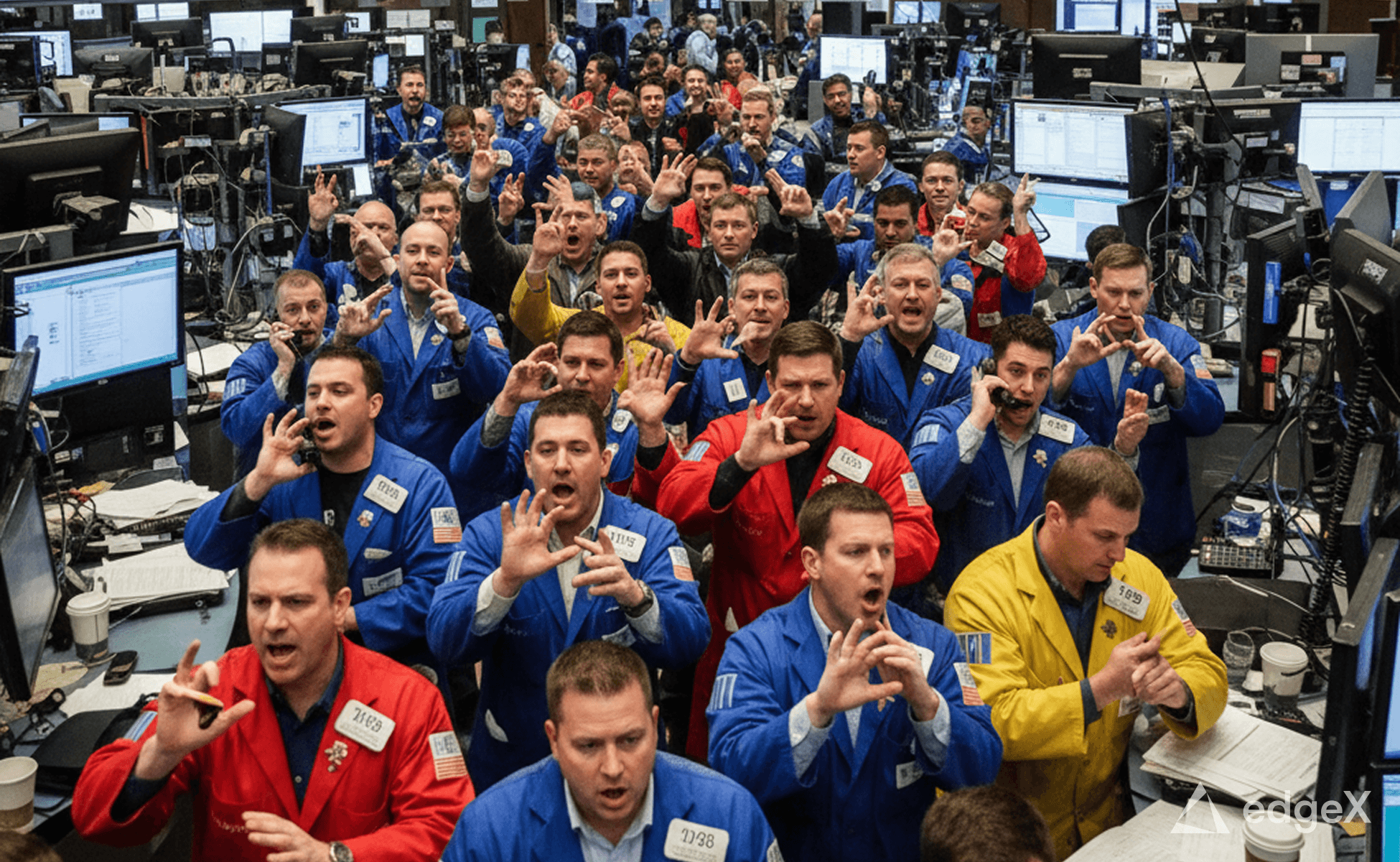
Jordan Klein, a technology, media, and telecommunications (TMT) analyst at Mizuho, has designated Microsoft (MSFT) as his primary software investment through the end of 2025. His bullish thesis is anchored in Azure's potential to surpass 50% growth as additional infrastructure comes online, the expected resolution of FY27 guidance uncertainties, and management's commitment to sustaining positive free cash flow—a pledge Klein described as a "big deal." Azure currently ranks as the second-largest public cloud platform behind Amazon Web Services, making its growth trajectory a key benchmark for the broader cloud infrastructure market that also includes Google Cloud.
Klein also sees upside in Microsoft's strategic partnership with OpenAI, in which Microsoft has invested billions of dollars and integrated OpenAI's models across its product lineup, from Azure AI services to Copilot assistants in Office and Windows. In his view, successful execution by OpenAI generates value for Microsoft, while independent development of superior AI capabilities by Microsoft itself would further amplify the advantage. Either outcome, he argues, favors the company.
Despite his optimism on Microsoft, Klein remains cautious about the broader software sector. He contends that the recent software rally is driven by technical rather than fundamental factors, fueled largely by passive fund rebalancing and algorithmic buying rather than committed active-investor participation. This dynamic has lifted many enterprise software names on AI-related enthusiasm even as revenue growth rates at several companies have been decelerating.
Microsoft shares opened Tuesday's session at $506.06, trading well below their 52-week high of $553.72 but significantly above the 52-week low of $349.20. The stock's year-to-date performance relative to the Magnificent 7—the closely tracked cohort of large-cap technology stocks that includes Apple, Nvidia, Amazon, Alphabet, Meta, and Tesla alongside Microsoft—has drawn renewed analyst attention, as Microsoft has lagged several peers in the group despite its central position in the AI buildout.
Q2 Earnings and Cloud Momentum
Microsoft's most recent quarterly results lent substantial support to the bullish case. The company reported earnings of $4.74 per share, beating the Street consensus of $4.24 by $0.50. Revenue reached $90.01 billion, surpassing analyst expectations of $87.62 billion. Year-over-year revenue grew 17.7%, with the company posting a net margin of 40.31% and a return on equity of 31.98%.
Analysts currently project full-year earnings per share at $19.58. Microsoft declared a quarterly dividend of $0.91 per share, payable on September 10th, with an ex-dividend date of August 20th, representing an annualized yield of approximately 0.7%.
Analyst Price Targets and Consensus
Wall Street price targets span a wide range. Wolfe Research maintains an outperform rating with a $550 target, while Guggenheim reaffirmed its buy recommendation at $586. Bernstein raised its projection to $660, the highest among cited targets, and Argus set a more conservative $500 level. The overall consensus, based on 42 buy ratings and 5 hold ratings, stands at a mean price target of $559.16, reflecting a "Moderate Buy" rating.
Klein observed that heavily owned software stocks such as CrowdStrike, Cloudflare, and Datadog show little evidence of investor exhaustion, which may limit their upside potential. Microsoft's relative underperformance within the group, by contrast, creates more room for appreciation.
A separate analysis from Bernstein argues that Microsoft is not overbuilding data center capacity, and that infrastructure investments would remain productive for Azure operations even if AI demand softens. This assessment addresses a concern that has weighed on the stock at times—the risk that massive AI-related capital expenditures could outpace actual enterprise demand for generative AI workloads.
Institutional Holdings and Insider Activity
Institutional portfolio movements paint a mixed picture. Hilltop Holdings cut its Microsoft stake by 66.4% in the first quarter, reducing its holdings to 42,330 shares valued at roughly $15.7 million. On the other side, Norges Bank established a new position exceeding $50 billion, and Nuveen initiated a stake approaching $18.7 billion. UBS Asset Management expanded its existing holdings by 500%. Institutional ownership currently accounts for approximately 71.13% of outstanding shares.
On the insider front, CEO Judson Althoff sold 10,000 shares on August 5th at $487.89 per share, generating proceeds of just under $4.88 million. The sale reduced his personal holdings by 9.05%.

