'He's here but not here': Trump biographer Michael Wolff describes a president detached from midterm defeat
Key Takeaways
- •Michael Wolff, who has spent years researching Trump across four books, reports that the 80-year-old president is overweight, clumsy, and may have had undisclosed health issues while in office.
- •According to Wolff's account, Trump responded to the Republican midterm defeat with unusual optimism, concentrating almost exclusively on Florida as the party's only real bright spot.
- •Sources close to Trump cited by Wolff say he does not appear to understand what happened in the midterms, with terms like trauma and PTSD being used to describe his state.
- •Wolff compares the midterm repudiation of Trump to the post-Watergate 1974 midterms and notes Trump has shown no willingness to accept responsibility for the GOP's generational setback.
- •Wolff reports that the vice president and international leaders have already sensed Trump's weakness and are calculating around it, with his public engagement with the midterm verdict among threads to watch over the remaining two years.
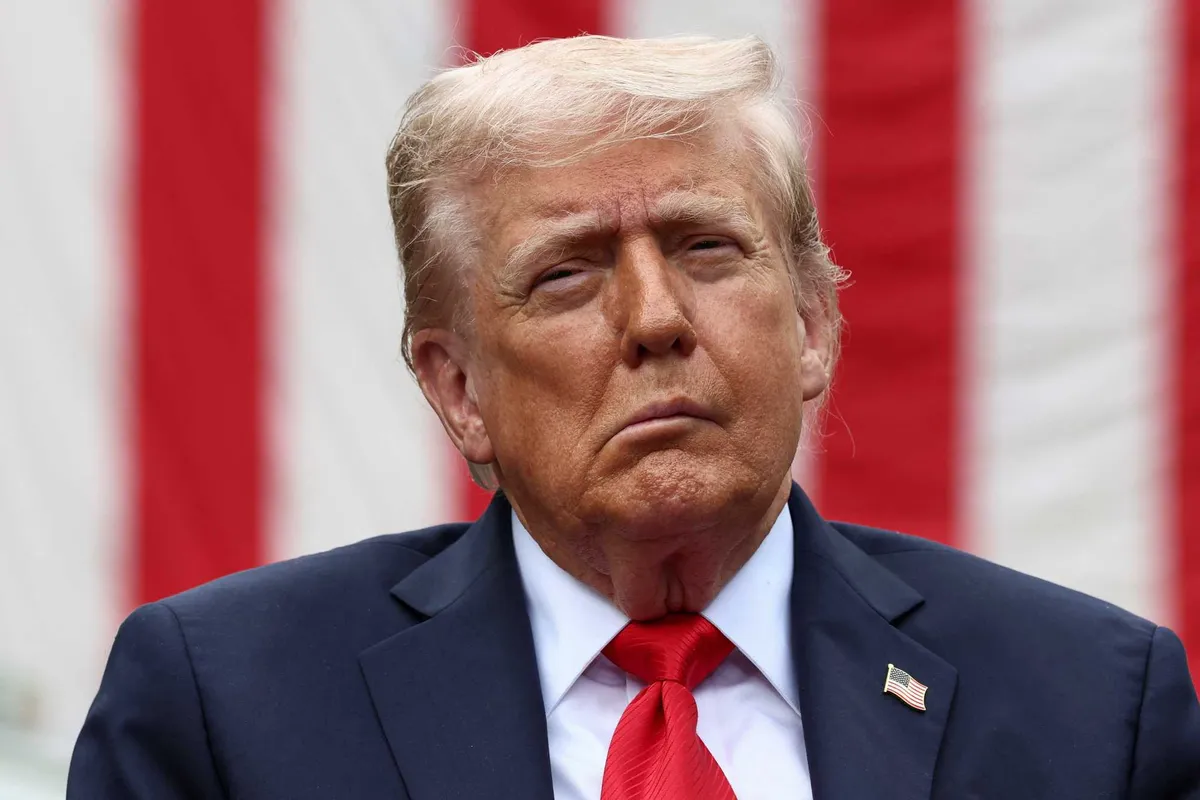
Michael Wolff, the biographer who has spent years observing, researching and interviewing sources around President Donald Trump across four books — including the bestselling "Fire and Fury" — reports that the 80-year-old president is now overweight, clumsy and visibly showing his age. According to Wolff, Trump may even have experienced undisclosed health issues while in office. His dozing off, mumbling and strange noises during public speeches — together with conversations with sources close to Trump — suggest that he is no longer the man he once was.
He may, Wolff said, even be too far gone to realize it. He pointed to the disaster of Trump's midterm election result as a prime example.
Even as the returns spelled chaos and failure, Trump appeared strangely optimistic. "'Well, that's not so bad,'" Wolff recounted Trump saying of the worsening news. Uncorrected by the lackeys around him, he added, "'you see, we're doing much better than they thought we would do.'"
"So much better," said Harp, according to sources.
From there, Trump concentrated almost exclusively on Florida — the Republicans' only real bright spot, apart from districts they knowingly gerrymandered in Memphis. "It's all about Florida," Trump kept saying, according to Wolff. He also "went into a long reverie about Florida and Election Night in 2016, and how he had flipped the state forever."
To Wolff and his sources, the message was both sad and clear. "There are people close to Trump who don't believe he understands what happened to him in the midterms — continues not to understand. Words like trauma and PTSD are being thrown around. Or, as one person told me, 'He's here but not here,'" Wolff said.
Other quotes from his sources include: "He really doesn't get it—yet," and "He's left the building."
The Republican Party's midterm defeat amounted to a generational setback — midterm elections, falling halfway through a president's term, have long functioned as referendums on the party holding the White House — and in Wolff's view "its direct focus, its singular issue, was Trump himself." Yet Trump has shown no apparent willingness to accept responsibility for the damage done to the GOP. "This is personal in a way that has not been the case since the post-Watergate 1974 midterms. Trump is Nixon, repudiated in a way that leaves a historical mark — and, surely, messes with your head," Wolff said.
Wolff noted that Trump has spent years shaping reality, and has been at the center of things longer than even Roosevelt or Churchill. "And now he's on the outside looking in," Wolff said.
"That's how people sometimes describe the aging process — life goes on, and suddenly you're a bystander to it. Well, his age, along with his mistakes and his politics, has caught up with him," Wolff added. "That's going to make for a weird twilight, these next two years. Because the chances are Donald Trump won't know he's in it. He will still believe he's Donald Trump, rather than a much-diminished Donald Trump, which is not Donald Trump at all."
Trump might remain his typical aggressive self, Wolff said, but "the new reality" is that the whole world has already smelled his weakness. "His own Vice President, feral in his opportunism, has hardly waited for Trump's grave to be dug before rushing to stamp on it," Wolff said, adding that international leaders have no doubt also sensed the weakness and are already calculating around it. Midterm repudiations have historically pushed the losing party into a period of internal reckoning over leadership and direction — a dynamic Wolff's account places squarely around Trump now.
"And there is real concern on a human level about Trump himself," Wolff said. "The midterm results may well be the most profound blow he has ever taken in his peculiarly entitled, cosseted, lucky life. And taking it now, at 80, means it's crueler still."
"I think we are seeing a kind of inner collapse, a raging against the dying of the light, but a giving up too," Wolff concluded. "Really, where does he go from here? Trump is not a political being; he's solely an emotional one, and he can't handle the truth."
The threads Wolff's account leaves to watch over the remaining two years include whether Trump publicly engages with the midterm verdict, how the vice president's positioning develops, and how foreign governments adjust their dealings with a White House they have, in his telling, already read as weakened.
The account was published by Alternet; Wolff's reporting also appears on his Substack.

