Trump Biographer Michael Wolff Says FAA Shutdown Signals Broader Federal System Failures
Key Takeaways
- •All U.S. flights were grounded for more than four hours on Friday after radar and communications systems destabilized at air traffic control facilities nationwide.
- •Transportation Secretary Sean Duffy attributed the failure to overloaded routers at FAA facilities in Arkansas and Texas and said there was no evidence of a cyberattack.
- •Roughly 6,700 flights were canceled on Saturday as the disruption rippled through the weekend, according to flight-tracking service FlightAware.
- •Duffy is seeking $50 billion to overhaul the air traffic system, in addition to the $12.5 billion Congress approved last year, with congressional action on the request the immediate decision point for replacing the equipment.
- •Wolff argued the FAA outage signals broader federal dysfunction rooted in Trump's staffing choices, while Trump blamed the Biden administration for an outdated system and called on Congress to fund a new air traffic control system.
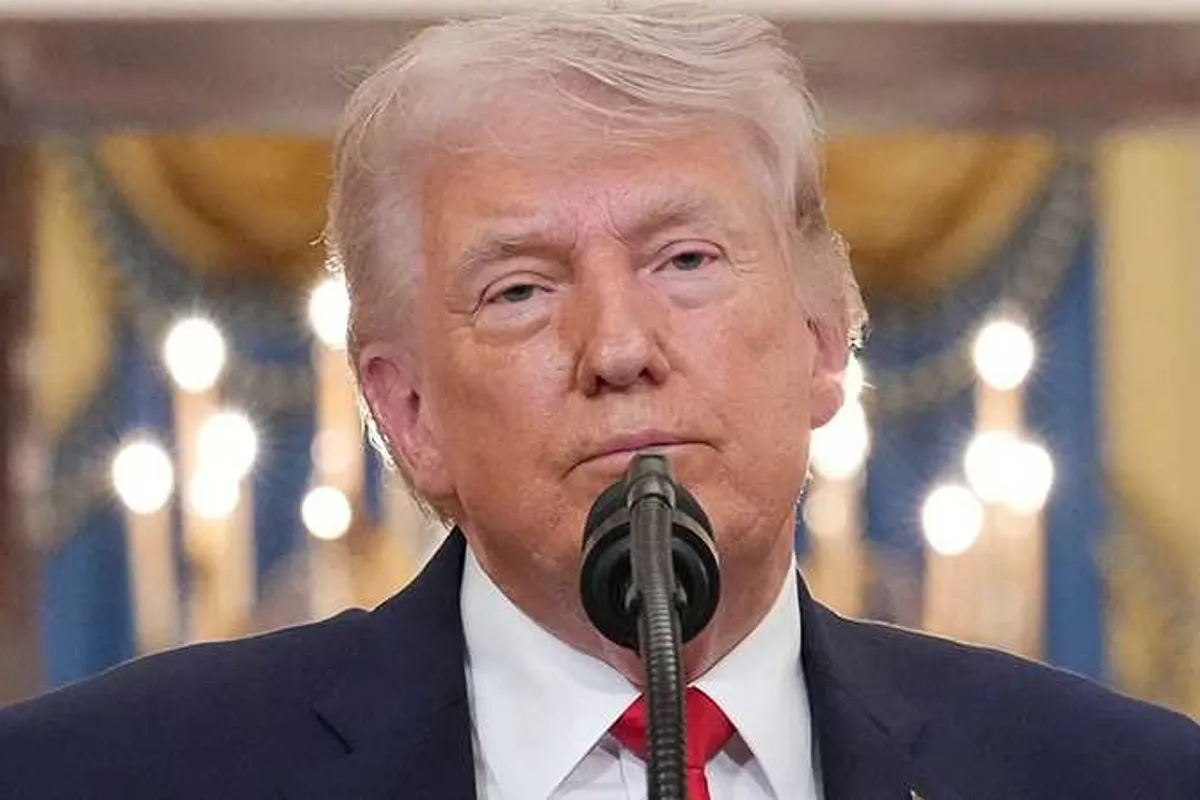
Michael Wolff, the veteran biographer who has written four books on President Donald Trump, said Monday that last week's nationwide shutdown of the U.S. air traffic system was likely only the first of many system failures to come across the federal government, citing Trump's incompetence and his appointment of inexperienced officials to lead government agencies.
In a column published on his Substack, Wolff — author of the bestseller "Fire and Fury" — wrote that "it is very likely that we have only seen the beginnings of a massive systems fail." The Federal Aviation Administration outage, he argued, "is a warning that we have yet to realize the full impact of his incompetence."
The federal government halted all flights in the United States for more than four hours on Friday after radar and communications became unstable at air traffic control centers across the country. Transportation Secretary Sean Duffy attributed the failure to overloaded routers at FAA facilities in Arkansas and Texas, and said there was no evidence of a cyberattack.
The disruption rippled through the weekend, with airlines canceling thousands of additional flights. Roughly 6,700 flights were canceled on Saturday, according to flight-tracking service FlightAware. The episode showed how a hardware fault at a small number of facilities can freeze air travel nationwide.
Wolff wrote that Trump "eschews details and information" and has maintained control by appointing people whose flaws are "as great or greater than his own." He said Trump effectively ceded responsibility for running the government to Elon Musk early in his term, and that Musk's early departure left a trail of "leaderless disruption."
Across government departments, Wolff said, senior managers have been eliminated, staff shortages are widespread, and morale has sunk so low that the federal government is "nearly in Soviet-type dysfunctional territory."
He pointed to a Pentagon now led by a former weekend television host and a State Department led by someone who simultaneously serves as national security adviser. He also cited the nation's largest measles epidemic in generations and a health secretary with no background in science who has ousted medical experts.
"This is not an ideological critique," Wolff wrote, arguing that any government "is ultimately judged on how well its systems work." He added that a common argument in favor of authoritarian government is "that's how you get the trains to run on time ... or the planes to fly."
Wolff also asserted that Trump's incompetence, as much as his policies, cost him in the midterm elections.
Trump blamed his predecessor for the aviation failure. "The Biden Administration was an FAA disaster," he wrote on social media, saying it made "an old and broken system worse." He called on Congress to fund a new air traffic control system.
"I can't apologize for what was passed off to us," Duffy said.
"Let's not kid ourselves; it will continue to break until we replace it," FAA Administrator Bryan Bedford said.
Duffy is seeking $50 billion to overhaul the air traffic system, in addition to the $12.5 billion that Congress approved last year. How Congress acts on that request is the immediate decision point for replacing the routing and communications equipment behind Friday's failure — the overhaul Bedford indicated is needed before the system stops breaking.

