Former RNC Chair Michael Steele Warns Trump's Mail-In Voting Push Threatens Constitutional Order
Key Takeaways
- •Michael Steele, who chaired the Republican National Committee from 2009 to 2011, is now a prominent conservative critic of Trump and a political analyst for MS NOW.
- •Trump's executive order targeting mail-in voting remains blocked by lower court rulings, though the Supreme Court found one challenge was filed too early.
- •Steele contends that under the Constitution's Elections Clause, states and Congress—not the president—hold authority over election administration.
- •Steele says Trump has shifted to using the U.S. Postal Service to disrupt mail voting, including a proposal for postal workers to determine who may receive a mail ballot.
- •Steele warns that the dispute threatens more than mail voting, arguing the separation of powers and independence of election officials underpin democracy itself.
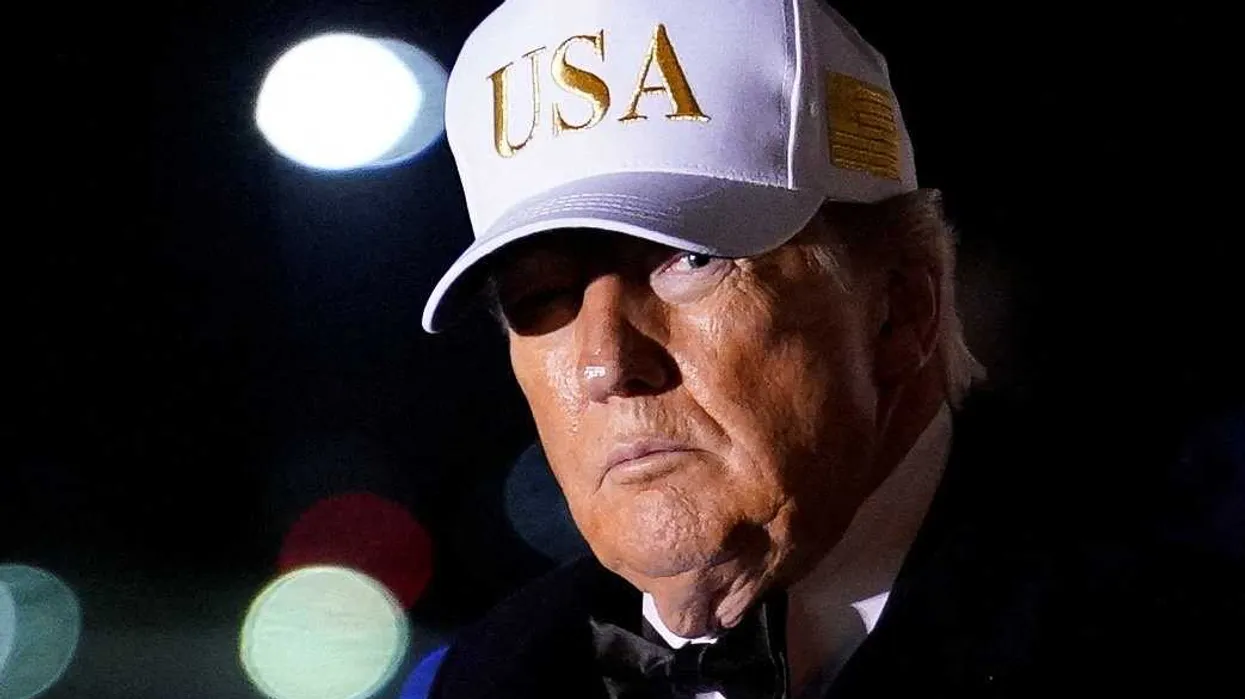
A veteran Washington insider and former Republican official has warned that President Donald Trump's push on mail-in voting would do more than inject chaos and uncertainty into the midterms — it would fundamentally "destabilize" the future of elections and the constitutional order in the United States.
Michael Steele, who led the Republican National Committee from 2009 to 2011, has since become one of the most outspoken conservative critics of Trump and his MAGA agenda. He serves as a political analyst and occasional guest host for MS NOW, where he frequently publishes op-ed columns warning about the damage he believes the president is inflicting on the country.
In his latest piece, published Saturday morning, Steele addressed Trump's legal battle to advance his plan to limit mail-in voting ahead of the 2026 midterms through executive order. That order remains gridlocked by rulings from lower courts, although the Supreme Court ruled last month that a specific lawsuit challenging the changes was invalid because it had been filed too soon. The litigation is unfolding as mail voting has become a central feature of American elections, with tens of millions of voters casting ballots by mail in recent cycles and several states operating primarily or entirely by mail. With his initial plan uncertain, Steele wrote, the president has now turned to a "secretive and rushed effort to use the U.S. Postal Service to disrupt mail voting on the eve of the midterms."
"Trump's proposal to have postal workers determine who may receive a mail ballot would be wrongheaded at any time," Steele explained. "Under the Constitution, voter-roll decisions are made by state and local officials, subject to rules set by Congress. The president has no role in making them. But trying to impose this system after some states have already sent ballots to voters is more than a misguided policy proposal. It would turn routine election administration into chaos, destabilizing the midterms and undermining voter confidence."
Steele went further, arguing that regardless of what anyone thinks about mail-in voting itself, "the Constitution did not place the administration of American elections in the hands of the president." Instead, the Constitution explicitly grants state governments the authority to regulate the "Times, Places and Manner" of elections, while giving Congress the "power to make or alter those rules." That language comes from the Elections Clause of Article I, Section 4, which has long been the constitutional anchor for the state-federal split in election administration that Steele says the president's approach would upset.
"That division of authority was deliberate," Steele added. "The framers understood the danger of allowing those in power to set the rules that determine whether they remain there."
He closed his column with a dire warning, arguing that the fight Trump has undertaken would have massive ramifications for the country's future if he succeeds.
"The stakes are more than the future of mail voting. Our very democracy is at risk," he wrote. "Democracy depends on the constitutional architecture that supports fair elections, from the separation of powers to the independence of state and local officials. That is where the present danger becomes larger than Trump."
