Michael Saylor Backs CLARITY Act, Says Bitcoin Will Succeed Regardless But America Needs Regulatory Clarity
Key Takeaways
- •Michael Saylor has publicly backed the CLARITY Act, arguing that clear digital asset regulations are vital for the United States to maintain its competitive position in the cryptocurrency industry.
- •Strategy, formerly MicroStrategy, holds more than 500,000 BTC as of 2025, making it one of the largest corporate Bitcoin holders in the world.
- •The CLARITY Act seeks to provide clearer definitions for digital assets, assign oversight responsibilities between the SEC and CFTC, and reduce regulatory uncertainty for crypto companies.
- •Several jurisdictions including the EU, Singapore, the UAE, and the UK have already implemented or introduced defined digital asset regulations, raising concerns that U.S. firms may face competitive disadvantages.
- •Saylor stated that Bitcoin's decentralized nature ensures its success regardless of legislation, but America's leadership in the digital economy depends on achieving regulatory clarity.
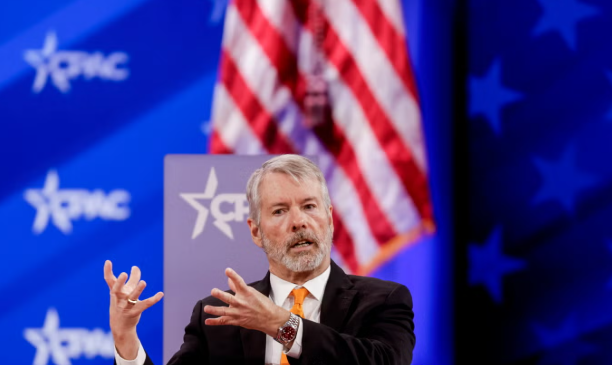
Michael Saylor, one of the most prominent Bitcoin advocates and executive chairman of Strategy — the software company formerly known as MicroStrategy, which rebranded in 2025 — has publicly voiced support for the CLARITY Act, arguing that clearer regulations for digital assets are essential for the United States to maintain leadership in the rapidly evolving cryptocurrency industry.
In a statement that garnered significant attention across the crypto community, Saylor emphasized that Bitcoin's future does not depend entirely on government action. However, he suggested that regulatory clarity would deliver important benefits for businesses, investors, and the broader digital asset ecosystem.
"Bitcoin will succeed with or without legislation, but America needs clarity for digital assets," Saylor said. He highlighted his belief that Bitcoin's long-term adoption is likely to continue regardless of political developments while also stressing the importance of a predictable regulatory environment.
The comments circulated widely throughout the cryptocurrency sector and were amplified by the Coin Bureau account on X (source post), adding further attention to the ongoing debate surrounding digital asset legislation.
The CLARITY Act and Regulatory Uncertainty
The CLARITY Act has become a central topic in discussions about cryptocurrency regulation in the United States. Supporters argue that the legislation could provide clearer definitions, establish regulatory responsibilities, and reduce uncertainty that has affected companies operating within the digital asset industry. The bill is part of a wave of digital asset legislation under consideration in Congress during the current session, as lawmakers weigh how to classify tokens, assign oversight responsibilities between the SEC and CFTC, and establish rules for stablecoin issuers and trading platforms.
For years, cryptocurrency companies, investors, and policymakers have debated how digital assets should be classified and which government agencies should oversee different parts of the market.
One of the biggest challenges facing the industry has been uncertainty surrounding regulatory authority. The United States currently has multiple agencies involved in cryptocurrency oversight, including the Securities and Exchange Commission (SEC) and the Commodity Futures Trading Commission (CFTC). However, disagreements over jurisdiction have created confusion for companies attempting to comply with existing rules.
Supporters of the CLARITY Act believe that clearer boundaries could help encourage innovation while protecting consumers.
Saylor's Perspective and Strategy's Bitcoin Strategy
Saylor's support reflects a broader perspective among many Bitcoin advocates who argue that regulatory certainty would benefit the United States by allowing responsible companies to develop blockchain-based technologies domestically rather than relocating operations to countries with more established digital asset frameworks.
Michael Saylor has become one of the most influential figures in the Bitcoin industry due to Strategy's aggressive accumulation strategy. Under Saylor's leadership, Strategy transformed from a traditional software company into one of the world's largest corporate holders of Bitcoin, with holdings exceeding 500,000 BTC as of 2025. The company has repeatedly purchased Bitcoin as part of a long-term treasury strategy, making Saylor one of the most recognizable institutional supporters of the cryptocurrency.
His views on regulation often receive significant attention because of his position as both a major corporate investor and a public advocate for Bitcoin adoption. Unlike some cryptocurrency supporters who argue for minimal government involvement, Saylor has frequently emphasized the importance of institutional participation, financial infrastructure, and regulatory frameworks that allow Bitcoin to integrate more deeply with global markets.
A Critical Moment for Cryptocurrency Regulation
The CLARITY Act debate comes at a critical moment for the cryptocurrency industry. Digital assets have moved from a niche technology sector into a major area of global finance, attracting institutional investors, publicly traded companies, banks, and governments. Bitcoin exchange-traded funds, corporate Bitcoin holdings, blockchain-based financial products, and digital payment systems have all contributed to increased mainstream adoption. The approval of spot Bitcoin ETFs in early 2024 marked a turning point for institutional access, and subsequent policy shifts under the Trump administration — including a presidential executive order establishing a digital asset working group — have accelerated the legislative conversation.
However, regulatory uncertainty remains one of the biggest challenges facing the industry. Many companies argue that unclear rules make it difficult to plan long-term investments, develop new products, and confidently operate within the United States.
Saylor's comments reflect this concern. His argument suggests that while Bitcoin itself may continue growing due to its decentralized nature, the United States has a strategic interest in creating a regulatory environment that encourages innovation rather than discouraging it.
The issue has become increasingly important as other countries move forward with their own cryptocurrency frameworks. The European Union's Markets in Crypto-Assets (MiCA) regulation took full effect in 2024, providing a comprehensive framework for digital asset service providers across EU member states. Several international financial centers, including Singapore, the United Arab Emirates, and the United Kingdom, have also introduced clearer digital asset regulations in an effort to attract blockchain companies, investment capital, and technological development. Supporters of stronger U.S. crypto legislation argue that without regulatory clarity, American companies could face competitive disadvantages compared with firms operating in jurisdictions with more defined rules.
Beyond Bitcoin: The Scope of Digital Asset Legislation
The debate over cryptocurrency regulation also extends beyond Bitcoin. While Bitcoin supporters often emphasize the asset's decentralized characteristics, lawmakers continue examining a wide range of digital assets, including stablecoins, decentralized finance platforms, tokenized assets, and blockchain-based financial services.
The CLARITY Act represents part of a broader effort to establish how these emerging technologies should interact with existing financial regulations.
One of the central questions surrounding digital asset legislation is determining which cryptocurrencies should be considered securities, commodities, or other categories of financial instruments. This classification has significant consequences because it determines which regulatory agencies have authority and what compliance requirements companies must follow.
Industry participants argue that clearer definitions would reduce legal uncertainty and allow businesses to innovate more confidently.
Consumer protection remains another important aspect of the discussion. While supporters of cryptocurrency innovation emphasize economic opportunities, regulators continue focusing on preventing fraud, market manipulation, and financial risks. A well-defined regulatory framework could potentially provide stronger protections for consumers while allowing legitimate blockchain projects to continue developing.
Institutional Investors and the Case for Clear Rules
Saylor's position reflects an increasingly common viewpoint among institutional cryptocurrency investors: regulation and innovation do not necessarily need to conflict. Many industry leaders now argue that clear rules could strengthen the market by encouraging greater participation from traditional financial institutions.
Institutional investors often require regulatory certainty before committing significant capital to emerging asset classes. As more companies explore Bitcoin, blockchain technology, and digital finance, regulatory clarity could become a key factor influencing future adoption.
For Bitcoin specifically, Saylor believes the asset's fundamental characteristics allow it to continue gaining acceptance regardless of legislative outcomes. Bitcoin operates on a decentralized network that is not controlled by any single government or organization, which supporters argue gives it unique resilience.
However, broader adoption still depends heavily on financial infrastructure, institutional participation, and legal recognition. This is why many Bitcoin advocates support legislation that creates clearer pathways for companies and investors to interact with digital assets.
The Changing Political Landscape
The discussion surrounding the CLARITY Act also highlights the changing political landscape around cryptocurrency. Digital assets have become an increasingly important issue among policymakers, with debates focusing on innovation, national competitiveness, financial stability, and consumer protection. As cryptocurrency ownership expands among individuals and institutions, lawmakers face growing pressure to establish policies that address both opportunities and risks.
The outcome of these legislative discussions could significantly influence the future direction of the U.S. cryptocurrency market. For companies operating in the sector, clear regulations could provide greater confidence for investment and expansion. For investors, clearer rules could reduce uncertainty and potentially encourage broader participation from traditional financial institutions. For policymakers, the challenge remains finding a balance between encouraging technological progress and maintaining financial oversight.
Saylor's statement captures this tension. His message suggests that Bitcoin's decentralized nature gives it the ability to continue developing independently, but a lack of regulatory clarity could limit the United States' ability to fully benefit from the growth of digital assets.
Looking Ahead
The debate over the CLARITY Act is likely to continue as lawmakers, industry leaders, and investors examine the role cryptocurrencies should play within the global financial system. Whether the legislation becomes a major milestone for digital asset regulation remains uncertain, but the discussion itself demonstrates how significantly the cryptocurrency industry has evolved.
Bitcoin is no longer viewed solely as an experimental digital currency. It has become a major financial asset discussed by governments, corporations, investment firms, and global institutions. As adoption continues expanding, regulatory decisions will likely play an increasingly important role in shaping how digital assets develop in the years ahead.
For Michael Saylor and many other Bitcoin supporters, the objective is not simply protecting cryptocurrency markets but ensuring that innovation can continue within a clear and competitive framework. His support for the CLARITY Act reflects a broader belief that the United States can encourage digital asset growth while maintaining appropriate oversight.
As policymakers continue debating the future of cryptocurrency regulation, one message from Saylor remains clear: Bitcoin's future may not depend on legislation, but America's position in the digital economy could depend heavily on achieving regulatory clarity.

