Michael Burry Hedges Nvidia Short With Calls While Keeping AI Skepticism Intact
Key Takeaways
- •Michael Burry bought December Nvidia calls with strikes in the mid-to-high $200s as a hedge while adding to his short position, with the calls representing roughly 3.5% to 4% of his portfolio.
- •Burry also increased short positions in Oracle, Palantir and Nebius, pushing his total short stock exposure above 21% of his portfolio excluding puts.
- •Nvidia reported fiscal second-quarter adjusted earnings of $2.22 per share on revenue of $96.2 billion, beating both consensus estimates, and guided to more than $108 billion in revenue for the current quarter.
- •Nvidia shares rose roughly 8% on August 27, breaking a streak of post-earnings declines, after supply commitments more than doubled to $279 billion.
- •Burry maintains that Nvidia will not distribute enough to shareholders and warned its investments could produce 'shocking reductions in earnings' faster than investors expect.
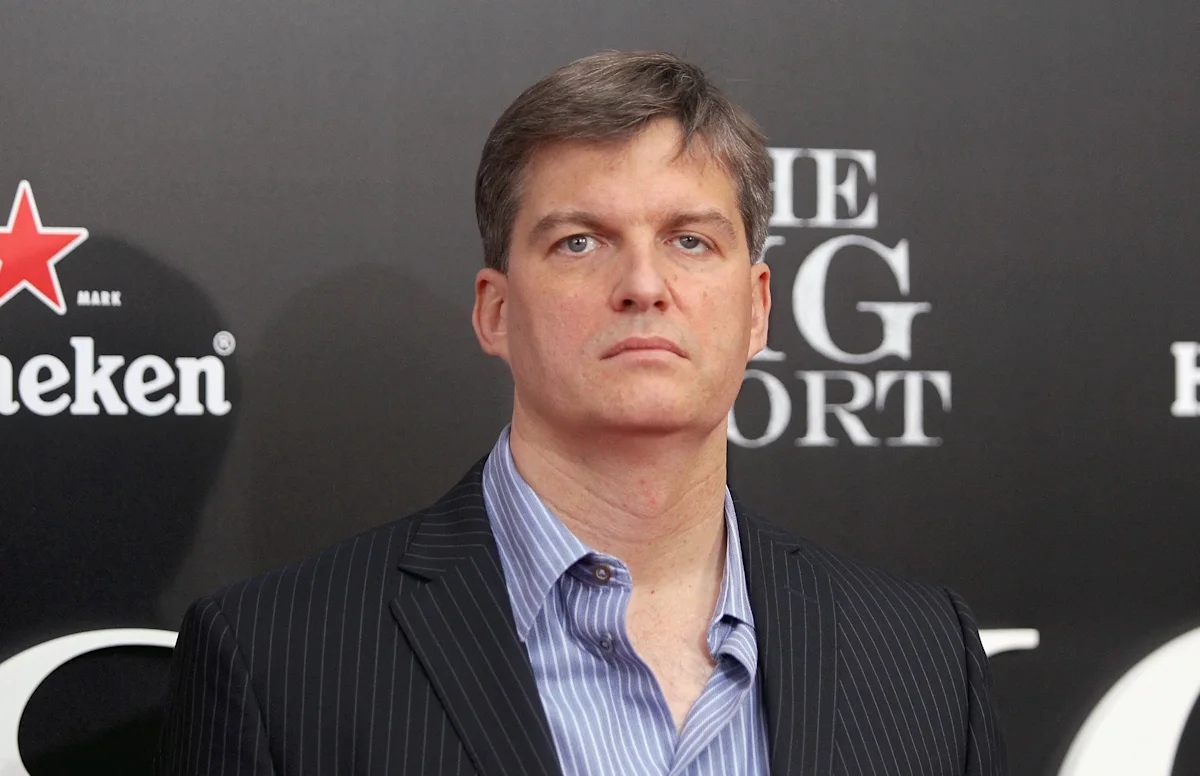
Michael Burry Hedges Nvidia Short With Calls While Keeping AI Skepticism Intact
NVDA -4.57%
Michael Burry has spent much of 2026 betting against Nvidia — and he also bought calls on the stock. Burry, who runs the investment firm Scion Asset Management, is best known for foreseeing the 2008 subprime mortgage collapse, a history popularized in the book and film "The Big Short," and his market calls have drawn outsized attention ever since. From almost anyone else on Wall Street, that combination would look like a reversal. On the surface the move appears contradictory, but Burry laid out exactly why he made it, and the reasoning says as much about his broader AI skepticism as it does about Nvidia specifically. It also arrived at an unusually consequential moment for the stock.
Burry buys Nvidia calls while betting against the stock
Burry bought December Nvidia calls with strikes in the mid-to-high $200s ahead of the chipmaker's earnings while simultaneously adding to his short position in the stock. He described the calls as a hedge rather than a bullish trade, Benzinga reported.
"I am not playing for gains here," Burry wrote in his Substack post, adding that he would not have made the trade at all without such a large existing short and put position to offset it. The call options account for roughly 3.5% to 4% of his portfolio.
Nvidia was not the only name in the trade. Burry also added to his short positions in Oracle, Palantir and Nebius, pushing his total short stock position above 21% of his portfolio, excluding puts, according to Cryptonomist. He separately added to long positions in Birkenstock and Freddie Mac.
Nvidia had closed at $217.56 the prior week, down slightly on the day but still up roughly 17% year to date heading into the report. The Substack post carried a pointed title: "Nvidia, Friends, and the Rebel Alliance." Burry has acknowledged that his past attempts at hedging around Nvidia earnings with short-dated options have produced inconsistent results.
Nvidia earnings beat and the August 27 stock reaction
The timing of Burry's move lined up with one of the most closely watched earnings reports of the year. Nvidia's quarterly results have become a broad market event in the AI era, with investors treating the chipmaker's numbers as a proxy for the health of data center spending across the technology industry. Nvidia posted adjusted earnings of $2.22 per share for its fiscal second quarter, beating the $2.09 consensus estimate, while revenue climbed 106% year over year to $96.2 billion, well above the $92.27 billion Wall Street had expected, CNBC reported.
Nvidia also issued an unusually bold outlook. The company guided to more than $108 billion in revenue for its current quarter, plus or minus 2%. More unusually, CFO Colette Kress said Nvidia expects revenue growth of 70% for fiscal 2028 — nearly twice what analysts had expected, according to CNBC. Supply commitments more than doubled from $119 billion last quarter to $279 billion, primarily related to memory procurement.
The reaction broke a pattern that had frustrated Nvidia bulls for several quarters. Shares had fallen the day after earnings in multiple consecutive quarters despite consistently strong results, but this time the stock surged roughly 8% on August 27, as TheStreet reported. Nvidia's market capitalization had already topped $5 trillion earlier this year, and the August 27 rally pushed the company further into record territory.
Wall Street's own expectations heading into the report had already been high. Fifty-eight of 61 analysts covering Nvidia rated it a buy, with an average price target of $305.41 heading into the print, implying more than 43% upside from where shares closed the prior week, as TheStreet reported.
Why Burry still doesn't believe the AI story
Despite the blowout numbers, Burry has not backed off his skepticism. He said Nvidia stock has fallen more often than it has risen after earnings recently, yet he argued the current price is "not congruent with the market's narrative." He even called the stock "wildly undervalued" on paper given its low price-to-earnings ratio for a company commanding what he described as monopoly rents, according to U.Today.
That undervaluation claim comes with a major caveat. Burry said his own theoretical value for Nvidia sits well below today's market price, arguing the stock has been "treading water" compared to its performance in recent years despite the headline growth numbers, according to U.Today.
Burry's core worry is about capital returns rather than growth itself. He said Nvidia "will not distribute enough to shareholders," and warned that the company's investment "into and through the top of the bubble" could eventually produce "shocking reductions in earnings" that arrive faster than most investors currently expect, as TheStreet reported.
This is not a new position for Burry. He has been building a version of this argument since at least May, when he compared Nvidia's revenue recognition practices in certain AI financing deals to Cisco during the dot-com era. The reference is pointed: Cisco, a dominant networking supplier in the late 1990s, saw its shares collapse after the 2000 tech bust even though its products remained central to the internet's buildout — the kind of distinction between a durable industry and a rewarding stock price that underpins Burry's argument. He used the analogy to argue that legal and disclosed accounting does not automatically mean the underlying risk is well distributed, according to Cryptonomist.
What Burry's Nvidia bet means for investors
For investors, Burry's own framing of the earnings reaction is worth taking seriously. He called the potential outcome "but a coin flip" ahead of the report, adding that "the market does not believe" the AI growth story the way it once did, even if belief gets temporarily restored on a strong quarter like this one.
The gap between Burry's short position and Wall Street's near-unanimous bullishness is now about as wide as it has been all year. That divide does not resolve with one earnings report, since Burry's thesis is built around multi-year concerns about capital spending and shareholder returns rather than any single quarter's results.
Two things stand out going forward: whether Nvidia's next few quarters show the buyback and dividend commitments Burry says are currently lacking, and whether the broader AI infrastructure spending cycle continues at its current pace or shows the kind of slowdown Burry has been positioning against since earlier this year. The $279 billion in supply commitments Nvidia disclosed this quarter gives both camps a concrete figure to track against in the quarters ahead.
Related: Bank of America doubles down on Nvidia stock
This story was originally published by TheStreet on Aug 30, 2026, where it first appeared in the Investing section.
