New Energy Minister Miatta Fahnbulleh's Past Policy Proposals Draw Scrutiny Over London Drivers and Climate Activism Ties
Key Takeaways
- •Fahnbulleh replaced Ed Miliband as energy minister in the Department for Energy Security and Net Zero after becoming an MP in 2024.
- •The Croydon Climate Crisis Commission report she chaired in 2021 recommended LTNs in every ward and fewer parking spaces across the borough.
- •The same report proposed extending the Ultra Low Emission Zone to the M25 and replacing the congestion charge with distance-based road pricing across London.
- •Fahnbulleh advocated a frequent flyer levy in 2021 after criticising tax cuts on domestic flights.
- •She has previously praised school climate strikes and highlighted the influence of Extinction Rebellion in New Economics Foundation publications.
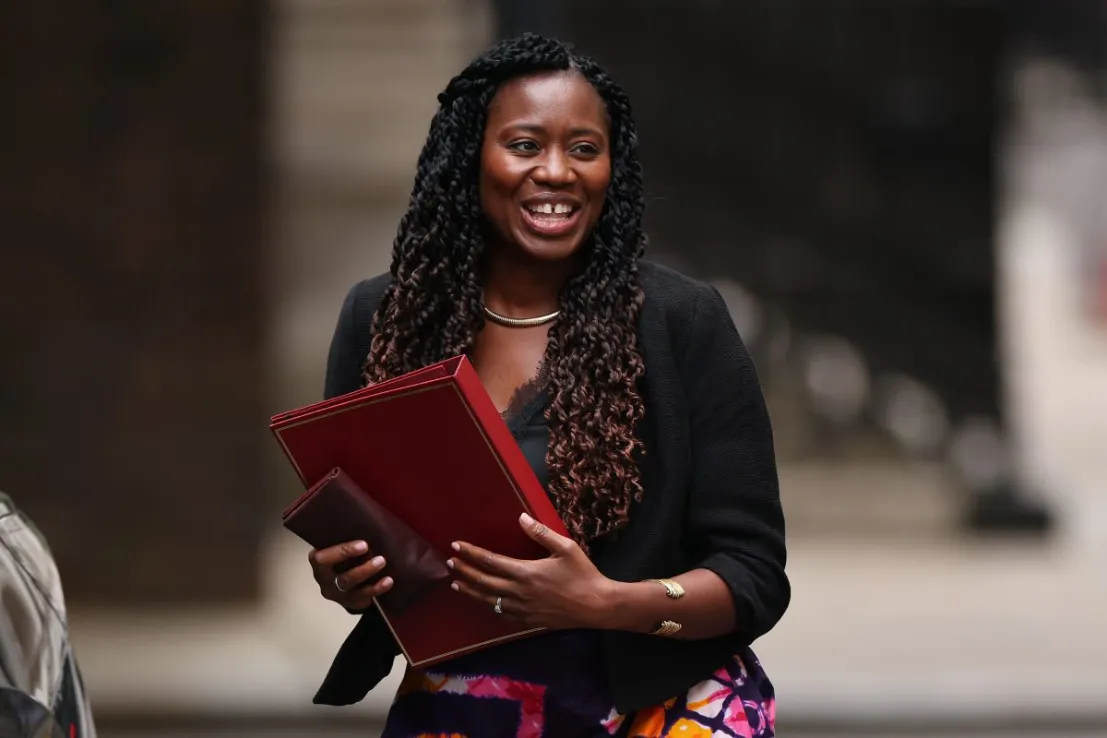
Miatta Fahnbulleh, who replaced Ed Miliband as energy minister in the Department for Energy Security and Net Zero, is a relatively unfamiliar figure in Westminster despite having built a lengthy career at left-leaning think tanks before becoming an MP in 2024. The department she now helps lead is responsible for delivering Britain's legally binding commitment to reach net zero emissions by 2050, making her earlier policy work at organisations such as the New Economics Foundation — a prominent progressive think tank founded in 1986 — a subject of growing interest. Her track record reveals a series of policy recommendations and public statements that are now coming under examination.
In 2021, while serving as chief executive of the New Economics Foundation, Fahnbulleh chaired the Croydon Climate Crisis Commission. The commission's report recommended introducing Low Traffic Neighbourhoods (LTNs) "in every ward" and reducing "the number of parking spaces across the borough." LTNs use planters, bollards, and camera enforcement to block through-traffic on residential streets, and have been rolled out across multiple London boroughs and other UK cities. The full report is available here.
The commission's report did not extensively address potential unintended consequences of LTN implementation. A survey conducted by the advocacy group Transport for All, published before the Croydon report, found that three-quarters of respondents reported increased journey times due to LTNs, while a quarter said they were forced to spend more on petrol or taxis. The Transport for All report can be found here.
The Croydon report also recommended extending the Ultra Low Emission Zone "to the M25" and replacing the congestion charge with "distance-based road pricing" "across all of London." Reducing car ownership was listed among the report's "measures of success." The Ultra Low Emission Zone was subsequently expanded to cover all of Greater London by Mayor Sadiq Khan in August 2023, a decision that prompted significant public opposition and legal challenges.
Separately, Greater Manchester spent over £100 million installing signs and cameras for a clean air zone under Mayor Andy Burnham, only to abandon the scheme following public protests over the charges.
Fahnbulleh has also proposed changes to aviation taxation. In 2021, she called the Conservative government "reckless" for cutting taxes on domestic flights and advocated for a "frequent flyer levy." Air Passenger Duty currently raises approximately £4.5 billion per year, according to the Office for Budget Responsibility (OBR analysis). Critics have noted that a frequent flyer levy would require the government to maintain records of individuals' annual flight activity.
Fahnbulleh has expressed admiration for climate activism. Writing in 2019 as part of a Green New Deal publication, she praised "audacious school climate strikes and marches" and argued that "children taking matters into their own hands" should "direct our actions." The piece is available here.
In her foreword to the New Economics Foundation's 2019 annual review, Fahnbulleh wrote that the "energy" brought "to the fore" by Extinction Rebellion would not be "going away." Extinction Rebellion's activists had repeatedly disrupted central London, and the group's demands included Britain reaching net zero by 2025 and government being "led by a Citizens' Assembly on climate and ecological justice."
Fahnbulleh, the privately educated daughter of a Liberian foreign minister, has not yet publicly addressed how her earlier policy positions at the New Economics Foundation may inform her approach as energy minister.
Arthur Reynolds is a writer.

