M&G swings to £165m loss as it criticises Rayner's ground rent cap
Key Takeaways
- •M&G posted a £165m first-half loss after taking a £325m write-down linked to the government's £250 cap on existing ground rents.
- •Core operating profit, excluding the write-down, rose 15% to £435m for the period.
- •M&G's shareholder fund holds around £722m in UK ground rent assets whose income streams help pay future customer pensions.
- •The firm lobbied for a softer alternative, such as a cap tied to initial lease amounts, and called the government's solution disproportionate.
- •Total assets under management rose to £387.4bn, with net inflows of £2.4bn, up sharply from £300m a year earlier.
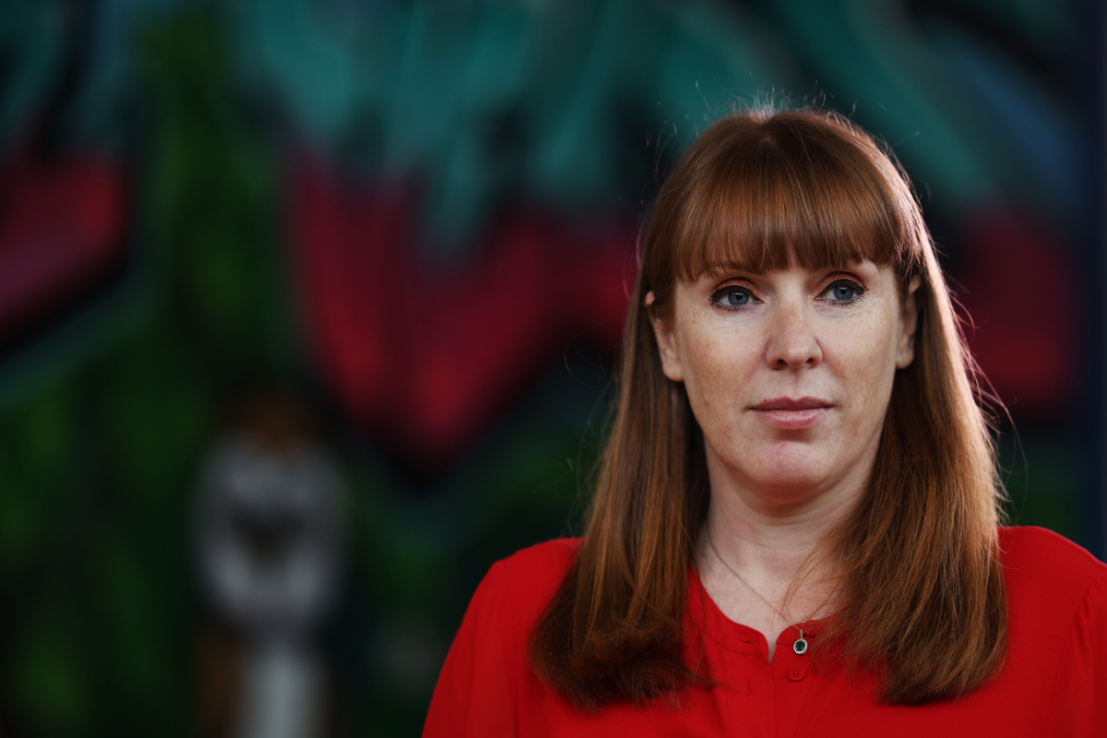
Asset manager M&G has swung to a loss, driven by the Labour government's introduction of a cap on existing ground rents.
The FTSE 100 group hit out at the government after reporting a £165m loss for the first six months of the year, caused by a £325m write-down that ate into its bottom line. On the basis of core operating profit — a measure which excludes the write-down — the group posted a 15 per cent increase to £435m.
Housing secretary Angela Rayner has been one of the key advocates of the £250 annual cap on pre-existing ground rents. Ground rent refers to annual fees paid by current leaseholders to a freeholder for the land beneath an older property. The measure formed part of a bill that added reforms to the previous Conservative government's ground rent legislation, which had already curtailed ground rents on new leases and made it easier for leaseholders to extend leases or buy freeholds. England and Wales are among the last jurisdictions in the world to retain the leasehold system, which successive governments have pledged to reform.
M&G's shareholder fund holds approximately £722m in UK ground rent assets, which generate long-term income streams used to pay future customer pensions. Like other institutional investors, including pension funds and insurers, M&G bought freehold portfolios in part because their steady, long-dated cash flows were seen as a match for pension liabilities — a rationale the cap directly undermines. The group was forced to recognise the write-down after the cap limited the cash flows the freeholds could collect, reducing the value of the assets.
Chief executive Andrea Rossi has previously said the firm was "disappointed that we have not been able to agree on a proportionate solution that works for all parties."
Labour's solution is 'disproportionate'
Labour intends eventually to phase the cap down to £0. M&G said it had lobbied the government for a softer alternative, advocating a cap tied to initial lease amounts with inflation-adjusted escalations, rather than a blanket £250 cap that winds down over time.
"While M&G fully supports the Government's objective… the proposed solution is disproportionate," the asset manager said at the beginning of the year.
It added: "These changes, if implemented, would negatively impact savers and companies that have chosen to invest in UK assets; they would also set a worrying precedent, leading to consequences for the UK's reputation as a stable investment location."
Elsewhere in the results, M&G posted a jump in total assets under management to £387.4bn, up from £375.9bn at the end of the previous year. Net inflows reached £2.4bn, a substantial increase from just £300m the prior year, while asset management inflows topped £2.2bn, comprising £1.3bn across private markets and £900m in public markets.
"The strong financial position of M&G and our thoughtful planning mean that we are well positioned to absorb and manage the negative impacts generated by [the ground rent] legislation," Rossi said.

