Mexico's Green Energy Transition Gains Momentum Under Sheinbaum's Investment-Friendly Reforms
Key Takeaways
- •Mexico's energy transition roadmap aims to add more than 32 GW of new generation capacity by 2030, with at least 70 per cent from renewable sources.
- •Sheinbaum's framework allows private companies to add up to 9.6 GW of renewable capacity by 2030, permitting 46 per cent of electricity generation from private investment and the rest from state utility CFE.
- •Copenhagen Infrastructure Partners reached financial close on the 420 MW La Esperanza solar-plus-storage project in Campeche, backed by about $510 million in debt from lenders including BNP Paribas, JPMorgan, Natixis CIB, Santander, and Scotiabank.
- •The Puerto Peñasco solar farm in Sonora is set to reach 1 GW of capacity plus 246 MW of battery storage, making it the largest solar plant in the Americas and fifth-largest worldwide.
- •Mexico's wind sector comprises 76 farms across 16 states with 8,131 MW of installed capacity, and is expected to attract $4-5 billion in investment by 2030.
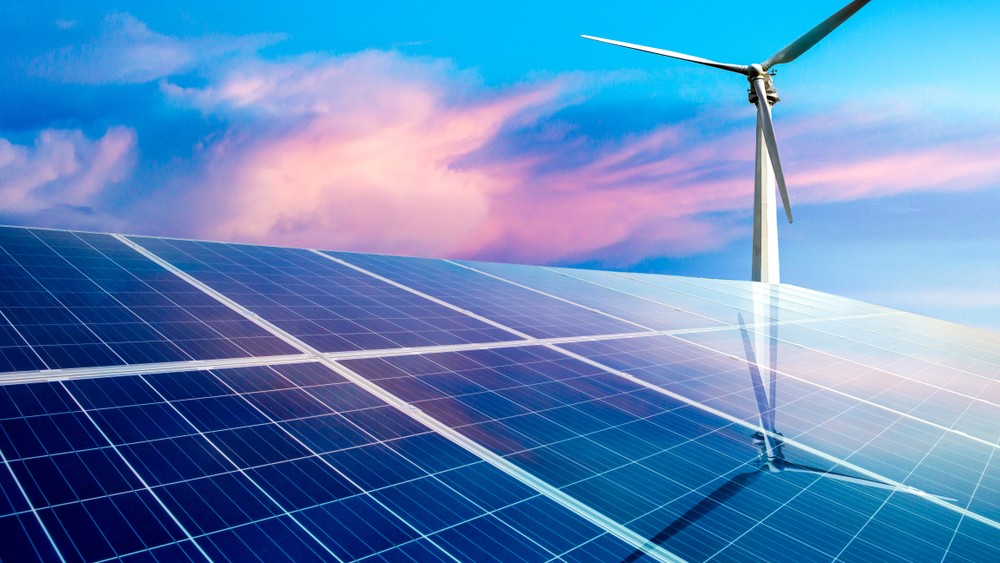
After a delayed start under the previous government, Mexico is now firmly on track for a green transition. President Claudia Sheinbaum has launched an energy reform that opens the country's energy sector to greater private investment and prioritizes the expansion of renewable energy. The approval of several solar and wind projects in recent months demonstrates the government's commitment to accelerating the deployment of clean power. The stakes are considerable beyond decarbonisation: Mexico, as the United States' largest trading partner, has seen electricity demand climb amid the nearshoring of manufacturing to its industrial heartland, and independent analyses have long warned that generation capacity growth has lagged that demand.
In February, Sheinbaum unveiled Mexico's strategic energy transition roadmap, which targets oil production of 1.8 million bpd alongside a $43.6 billion investment package. The government aims to add more than 32 GW of new electrical generation capacity by 2030, with at least 70 per cent of that coming from renewable sources.
"Mexico not only has oil: it has sun and wind, clean energies that allow for fewer environmental impacts. We are working on the energy transition: moving toward greater participation of renewable energy sources in the electricity we consume. And that is the most important objective between now and 2030," Sheinbaum said during the announcement.
The roadmap sets technology-specific targets: increasing photovoltaic generation by 140 per cent, geothermal by 90 per cent, wind energy by 70 per cent, and hydroelectric energy — through maintenance of existing plants — by 18 per cent. Overall, the government intends to raise the renewable share of the electricity mix from 24 per cent to 38 per cent by 2030. That target, while ambitious relative to recent stagnation, would still leave Mexico reliant on fossil fuels — including the continued oil production targeted in the same roadmap — for the majority of its electricity, underscoring the scale of investment the plan demands.
A Break from Nationalisation
Meeting these goals will require a significant acceleration in clean energy deployment, particularly compared with previous years, when foreign investment in renewables was heavily restricted. Between 2018 and 2024, former President Andrés Manuel López Obrador (AMLO) pushed for greater nationalisation of the energy sector, citing greedy international energy companies and sectoral corruption. The move was widely criticised for deterring investment and delaying Mexico's green transition.
His successor has taken a markedly different path. During her electoral campaign, Sheinbaum said she planned to spend at least $13.6 billion on renewables. Once in office, she announced that private companies would be permitted to add up to 9.6 GW of renewable capacity by 2030 under a new framework allowing 46 per cent of electricity generation to come from private investment, with the remainder operated by the state-owned utility CFE — a clear shift away from AMLO's strict nationalisation strategy.
Solar Takes Center Stage
Mexico is now actively welcoming investment in renewable projects, particularly solar power. The country's installed photovoltaic capacity is projected to more than triple to 37.8 GW by 2035, growing at a compound annual growth rate of roughly 10.7 per cent between 2024 and 2035. A 2025 report from the thinktank Ember Energy found that Mexico's climatic conditions are highly favourable for solar, which could supply close to 90 per cent of national electricity demand if fully exploited. In 2023, however, solar contributed just 6.6 per cent of Mexico's electricity generation — a gap that illustrates both the untapped resource and the deployment challenge ahead.
The country's largest solar farm to date is located in Puerto Peñasco, in the northern state of Sonora. Phase one of four was completed in April 2023, providing 120 MW of clean energy, while phase two, launched in September 2024, added another 300 MW. Development of phase three is currently underway. Once complete, Puerto Peñasco is expected to have 1 GW of installed capacity plus 246 MW of battery storage, making it the largest solar power plant in the Americas and the fifth-largest worldwide. The pairing of solar with battery storage reflects a broader trend in Mexico's newer projects, which pair intermittent generation with storage to improve grid reliability.
In August, Danish energy infrastructure investor Copenhagen Infrastructure Partners (CIP) announced a final investment decision on the 420 MW solar-plus-storage La Esperanza Solar project — the company's first investment in Mexico to reach financial close and part of its growing renewables portfolio in Latin America. The participation of major international lenders signals renewed foreign confidence in Mexican energy under the new framework.
Construction is underway on La Esperanza in the southeastern state of Campeche, on the Yucatán Peninsula. The project is expected to come online in 2028 and will incorporate 150 MW of battery storage. Funding comprises approximately $510 million in debt facilities provided by a consortium including BNP Paribas, JPMorgan Chase Bank, Natixis CIB, Santander, and Scotiabank.
A Growing Wind Sector
Mexico is also home to 76 wind farms across 16 states, with an installed capacity of 8,131 MW and more than 3,300 wind turbines. The sector supplies power to as many as 12.1 million households and supports over 10,000 jobs. Much of that capacity is concentrated in the Isthmus of Tehuantepec in Oaxaca, one of the world's best-documented wind corridors. According to estimates from the National Energy Control Centre, the National Energy Commission, and the Mexican Wind Energy Association, Mexico is expected to attract between $4 billion and $5 billion of wind energy investment by 2030, adding 2,159 MW of new installed capacity.
After a stalled start, the Mexican government is now backing the accelerated rollout of renewable energy projects to achieve its green transition goals. Supportive policies, energy reforms, and greater openness to private investment have driven the launch of several new green energy projects in recent years. How quickly those projects are permitted, financed, and connected to the grid over the coming years will determine whether the 2030 targets remain within reach.
By Felicity Bradstock for Oilprice.com
