Meta Expands AI Age Checks Worldwide to Extend Teen Protections on Instagram
Key Takeaways
- •Meta is deploying AI age-estimation technology globally to detect teenagers who registered with adult birthdays and move them into Teen Account protections on Instagram.
- •The Facebook rollout is currently underway, and similar age-estimation technology is expected to launch globally on Threads later this year.
- •The expansion builds on Meta's agreement with 52 bipartisan attorneys general across US states, territories, and the District of Columbia to improve identification of teenagers and children under 13.
- •In August, Meta reached settlements worth up to $18 billion with nearly every US state and territory over lawsuits alleging harm to teenagers, and it settled with a teenage plaintiff in a Los Angeles trial last month.
- •Meta called on TikTok and YouTube to adopt similar age-protection practices, while US parents will begin receiving Instagram notifications this month explaining age-appropriate protections.
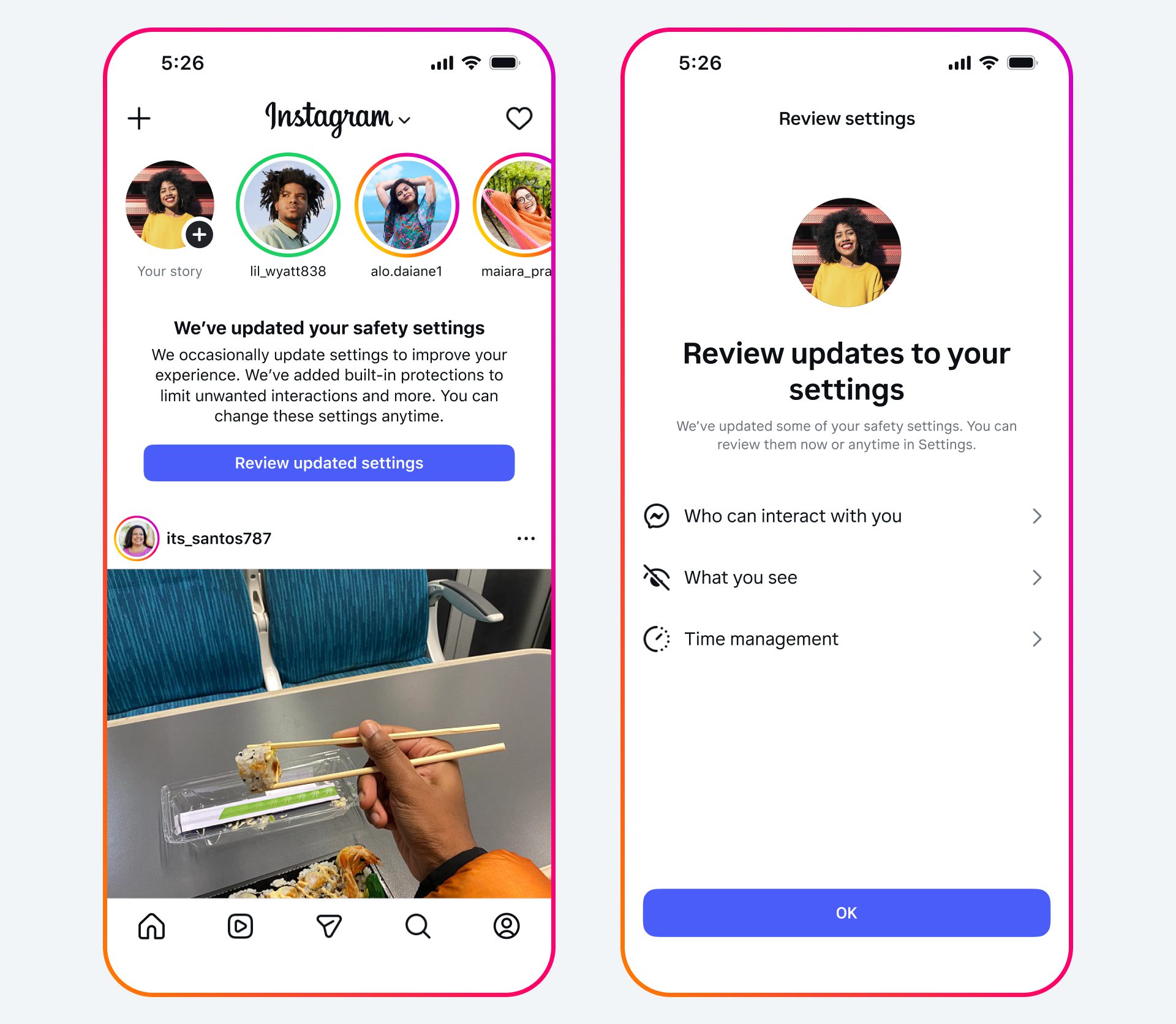
Meta is expanding its artificial intelligence (AI) age-estimation technology to users worldwide, aiming to identify teenagers who may have misstated their age online and place them under Teen Account protections — even if they registered with an adult birthday.
The company announced the expansion on Monday, November 9, in an official blog post, saying millions more teenagers who use Instagram around the world would receive built-in restrictions on who can contact them, the content they see, and the time they spend on the platform.
Meta said the technology is intended to tackle the persistent challenge of teenagers entering incorrect birth dates in order to access experiences meant for adults. Teen Accounts, which are available on Instagram, Facebook and Messenger, are designed to deliver age-appropriate experiences for younger users.
The company said it was encouraged by the results of its existing age-estimation technology and would continue expanding its use. The rollout on Facebook is currently underway, while similar technology is expected to launch globally on Threads later this year.
How Meta's AI age detection works
According to Meta, the AI system flags accounts it suspects belong to teenagers, even when those users provided adult birthdays during registration. The company did not disclose additional technical details about how the expanded system identifies suspected teenagers or how accurate its estimates are.
The global expansion builds on Meta's broader efforts to strengthen protections for younger users, as well as its recent agreement with 52 bipartisan attorneys general across US states, territories and the District of Columbia. Under that agreement, Meta committed to improving how it identifies teenagers and children under 13 on its platforms.
The company added that it is also investing in stronger technology to detect accounts that may belong to children under 13, along with users aged 13 to 17 who should be moved into Teen Account protections.
Meta faces growing scrutiny over teen safety
The announcement comes as Meta confronts lawsuits alleging that its platforms harm young users. In August, the company reached settlements worth up to $18 billion with nearly every US state and territory over lawsuits brought by attorneys general concerning alleged harm to teenagers.
Meta also settled with a teenage plaintiff last month in a Los Angeles trial examining claims that Instagram and Facebook were designed to be addictive and contributed to mental health problems and an eating disorder.
As part of its latest announcement, Meta said parents in the United States would begin receiving Instagram notifications this month explaining how teenagers are placed in age-appropriate protections and how they can help ensure their children provide accurate ages online.
The company also called on TikTok and YouTube to adopt similar practices, arguing that teenagers use multiple platforms and need consistent protections across the internet. Whether those platforms will follow Meta's lead remains to be seen.

