Meta's AI Smart Glasses Spark Widespread 'Pervert Glasses' Backlash
Key Takeaways
- •A BBC investigation in January 2026 found that women were being secretly filmed with Meta's Ray-Ban smart glasses and the footage was posted to TikTok without their consent.
- •A class-action lawsuit filed in March alleges Meta failed to adequately disclose that human contractors could review content shared with Meta AI.
- •Democratic Senators Markey, Merkley, and Wyden, along with a coalition of 76 organizations led by the ACLU, have pressured Meta to abandon reported plans to add facial recognition capabilities to the glasses.
- •Texas Attorney General Ken Paxton opened an investigation in May examining whether the devices enable secret recording and facial data collection.
- •Both the DEF CON cybersecurity conference and Comic Con organizer Monopoly Events have prohibited Meta's smart glasses from their events due to privacy concerns.
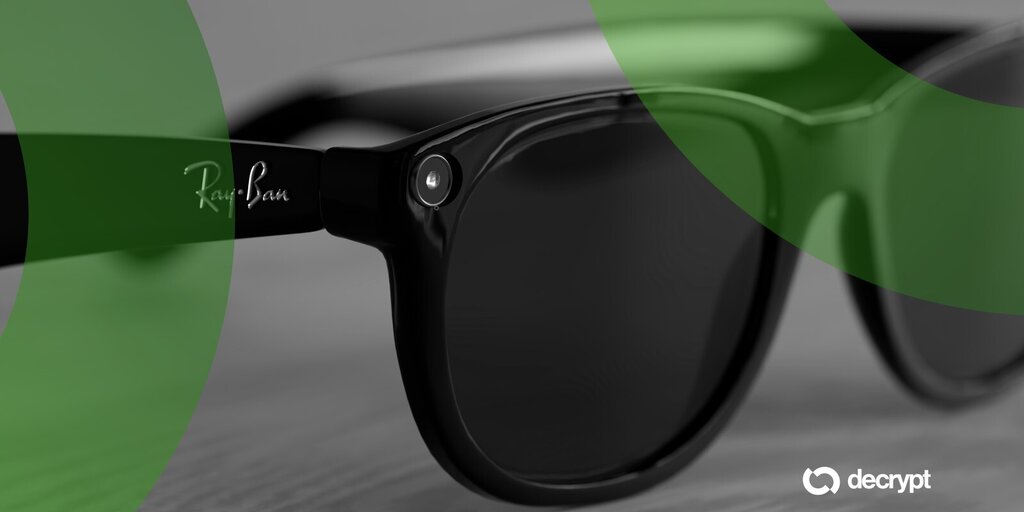
Meta's AI glasses have faced escalating privacy controversies throughout 2026, leading to lawsuits, government investigations, and growing public criticism. The backlash has emerged against a backdrop of intensifying global scrutiny of wearable surveillance technologies, as multiple tech companies race to develop camera-equipped smart devices. Critics argue that the devices can be used to record people and collect personal data without their consent.
Meta is developing AI-powered smart glasses intended to function as a replacement for smartphones. The devices, however, are increasingly being referred to online as “pervert glasses.” While Meta has designed the glasses to include privacy protections, critics continue to sound the alarm about how the devices are being used and how data is handled.
Backlash against AI-powered glasses is so strong users are afraid of wearing them in public
Some people have started calling them “pervert glasses” pic.twitter.com/L1wAFveCdE
— Interesting AF (@interesting_aIl) July 30, 2026
The "pervert glasses" moniker emerged through a series of incidents. In January, a BBC investigation found that women were being secretly filmed with Meta's Ray-Ban smart glasses after being approached in public. The videos were subsequently posted to TikTok without their consent, attracting hundreds of thousands of views and comments. The BBC also identified an account that had posted more than 100 similar videos.
In February, a joint investigation by Swedish newspapers reported that Nairobi-based contractors hired to train Meta's AI reviewed footage captured by Meta's smart glasses. The footage allegedly included people using the bathroom, getting undressed, changing clothes, displaying credit card numbers, and having sex. This renewed concerns about how sensitive footage is shared with Meta's AI models and underscored long-standing questions about how major AI companies rely on low-paid offshore workers to review disturbing content.
In March, Meta faced a class-action lawsuit over claims it failed to clearly disclose that human contractors could review content shared with Meta AI. Later that month, Democratic senators Edward Markey, Jeff Merkley, and Ron Wyden sent a letter questioning the company about reported facial recognition plans. The senators warned the technology could enable real-time identification, stalking, and harassment. The letter reflected broader legislative concern in Washington over biometric data collection, an area already governed by state-level laws such as Illinois's Biometric Information Privacy Act and subject to mounting pressure for federal regulation.
Meta has managed to turn every wearer into an unpaid informant and everyone else into an extra who never signed a release. Any venue that respects its patrons should treat the glasses the way it would treat a man filming the room all night — which is exactly what they are.
— Jackie Singh (@HackingButLegal) July 30, 2026
Calling it "a red line society must not cross," the ACLU and 75 other organizations urged Meta in April to abandon plans to add facial recognition to future versions of the glasses. The coalition warned the technology could allow wearers to identify strangers in public and link them to personal information.
The following month, in May, Texas Attorney General Ken Paxton opened an investigation into Meta's AI glasses. The probe centered on concerns the devices could secretly record people, collect facial data, and mislead consumers about how their personal information is used. The investigation added to Meta's existing regulatory burdens, as the company remains under a Federal Trade Commission consent order stemming from earlier privacy violations.
Yes, we made our own (camera-free) wearable. But there's a deeper reason we think camera-enabled glasses deserve serious pushback.
Meta and Google smart glasses open the door to a host of frightening privacy problems. Hands-free recording isn't worth the risks to our safety and… pic.twitter.com/bU32f7hcKY
— DuckDuckGo (@DuckDuckGo) July 30, 2026
In July, Meta updated its Ray-Ban smart glasses after users found ways to bypass the recording light that alerts people when the camera is in use. The update turns off the camera if it detects the light has been tampered with, representing part of a broader effort to curb hidden recording.
However, the update did little to slow the backlash. That same month, advocacy groups online and in New York, London, and Washington launched campaigns focused on the privacy implications of the devices.
❗️ A lenticular spoof ad at a bus stop near Meta's London headquarters flips TV personality Kylie Jenner's smart glasses campaign into a skeletal surveillance warning depending on where you stand.
The design borrows from They Live, the 1988 film where special sunglasses expose… pic.twitter.com/7aykieqpdh
— International Cyber Digest (@IntCyberDigest) July 16, 2026
By the end of July, Police Scotland opened an investigation into a TikToker, Scott Margerison, whom the agency accused of secretly filming people with Meta smart glasses. Furthermore, to protect eventgoers, Comic Con organizer Monopoly Events and the cybersecurity conference DEF CON had banned the devices from their events over privacy concerns. The DEF CON ban was particularly notable given that the conference's own attendees are among the most technically capable of exploiting such devices.

