Melania Trump's Behind-the-Scenes Ukraine Diplomacy Contrasts With Trump's Nobel Peace Prize Pursuit: Analysis
Key Takeaways
- •First Lady Melania Trump has reportedly helped secure a temporary, localized ceasefire in Oleshky, allowing humanitarian aid into the occupied Kherson region city and enabling the evacuation of remaining civilians.
- •She reportedly negotiated directly with Russian and Ukrainian officials, building on earlier efforts to reunite Ukrainian children separated from their families during the war.
- •A Telegraph analysis by Hamish de Bretton-Gordon argues that Melania's behind-the-scenes humanitarian diplomacy has accomplished more for peace than President Trump's public approach.
- •President Trump lost the Nobel Peace Prize to Navi Pillay and publicly criticized the decision, calling it an indelible stain on Norway.
- •Under the ceasefire agreement, some evacuating civilians may be transported through Crimea or Russia before reaching Ukrainian-controlled territory, an arrangement raising safety concerns given Russia's history of forced relocations.
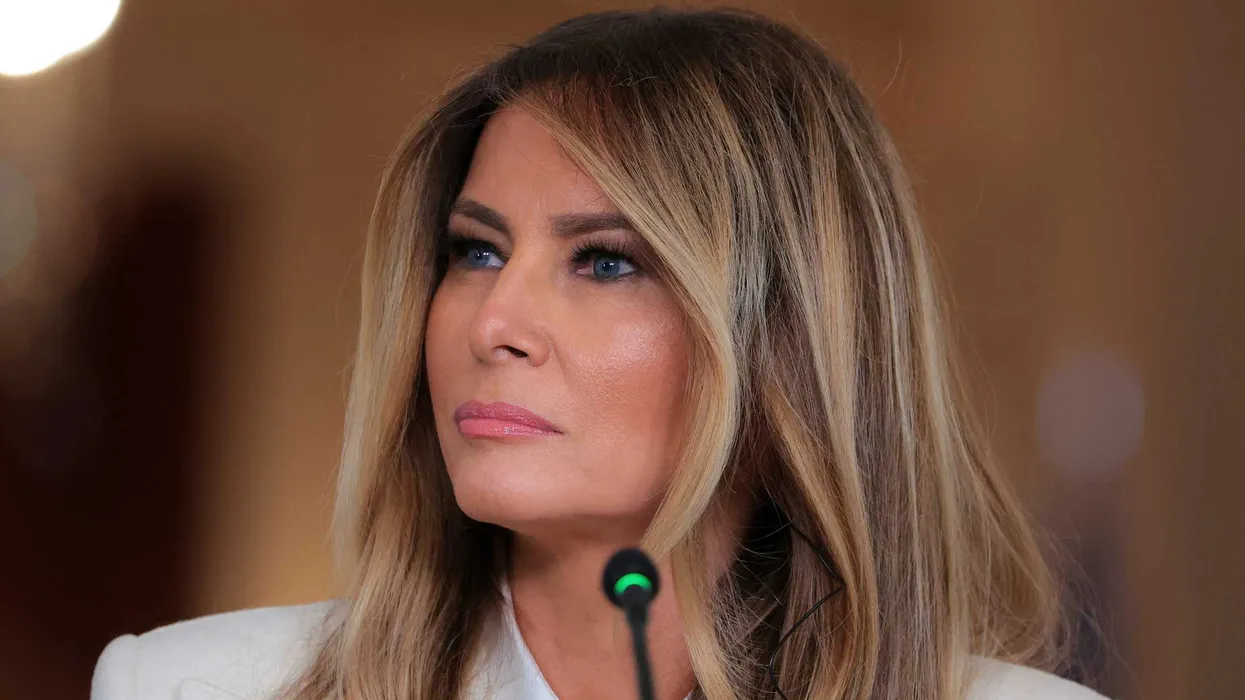
First Lady Melania Trump has reportedly helped broker a temporary, localized ceasefire in Oleshky, clearing the way for humanitarian aid to reach the city and for the evacuation of remaining civilians. Oleshky, a city in Ukraine's southern Kherson region across the Dnipro River from the regional capital, has been under Russian occupation since 2022 — context that helps explain why delivering aid and evacuating civilians required a negotiated pause rather than routine access. According to an analysis published in The Telegraph, the achievement has raised questions about whether she is accomplishing more in the pursuit of peace than her husband, President Donald Trump.
The analysis, authored by Hamish de Bretton-Gordon, a former British Army officer, asserts that Melania is taking a different diplomatic approach from Trump's — one centered on behind-the-scenes humanitarian diplomacy that has so far fared better in the eyes of the public.
Melania reportedly worked directly with Russian and Ukrainian officials to help secure the ceasefire. The effort builds on her previous humanitarian work surrounding the war in Ukraine. She has also been involved in efforts to reunite Ukrainian children who were separated from their families amid the conflict — a matter at the center of the International Criminal Court's 2023 arrest warrant for Russian President Vladimir Putin over the alleged deportation of Ukrainian children — demonstrating that her engagement with the crisis extends beyond the newly brokered ceasefire. Her continued involvement suggests a broader commitment to helping the country's most vulnerable victims.
Her role in securing the ceasefire offers a stark contrast to Trump's public pursuit of the Nobel Peace Prize. Trump has repeatedly campaigned for the award, maintaining that he deserves the coveted prize and arguing that his diplomatic efforts helped resolve multiple international conflicts. At least according to Bretton-Gordon, Melania has emerged as a more likely candidate for the prestigious honor.
Trump's hopes of receiving the award were dashed when the Norwegian Nobel Committee chose South African jurist and former United Nations human rights chief Navi Pillay. Trump blasted the decision hours after learning he would not receive it. "This is an indelible stain on the country of Norway," he said, per the BBC, adding, "we will not forget."
Bretton-Gordon argues that Melania's efforts appear more focused on helping civilians caught in the devastation of war, while her husband's intentions seem more self-serving — seeking special recognition for any potentially good outcome. In this framing, Melania prioritizes human lives over political recognition or personal accolades.
Even if Trump is awarded nothing in the future, Bretton-Gordon says additional work remains, because the ceasefire agreement comes with serious concerns. Under the agreement, some civilians fleeing Oleshky may be taken to Crimea or Russia before they can return to Ukrainian-controlled territory. Given Russia's history of forcibly relocating Ukrainians and mistreating people in occupied areas, the principal concerns involve safety. How those transit arrangements unfold — and whether evacuated civilians reach Ukrainian-controlled territory safely — is the immediate development to watch as the ceasefire holds.

