The Atlantic Traces Megyn Kelly's 'Morally Appalling' MAGA Pivot to Her Rise and Fall in TV News
Key Takeaways
- •The Atlantic's Sophie Gilbert published an analysis Saturday arguing that Megyn Kelly's shift to the far right is more drastic and 'morally appalling' than other right-wing media pivots of recent decades.
- •Kelly drew backlash for her comments on the 'Cornell 7' sexual assault case, in which she disparaged the victim's appearance and suggested she welcomed the attention.
- •Gilbert traces Kelly's current persona to her dismissal from NBC News after a series of controversies, which followed her departure from Fox News, where she had confirmed being sexually harassed by former CEO Roger Ailes.
- •The Megyn Kelly Show launched as a podcast in September 2020 and has grown into a daily SiriusXM and YouTube operation that Gilbert says relies on attention-grabbing outbursts amid supplement ads and subscription prompts.
- •Gilbert expressed difficulty discerning how much of Kelly's rhetoric is sincere versus calculated performance, and it remains unclear whether Kelly's operation will engage with the critique.
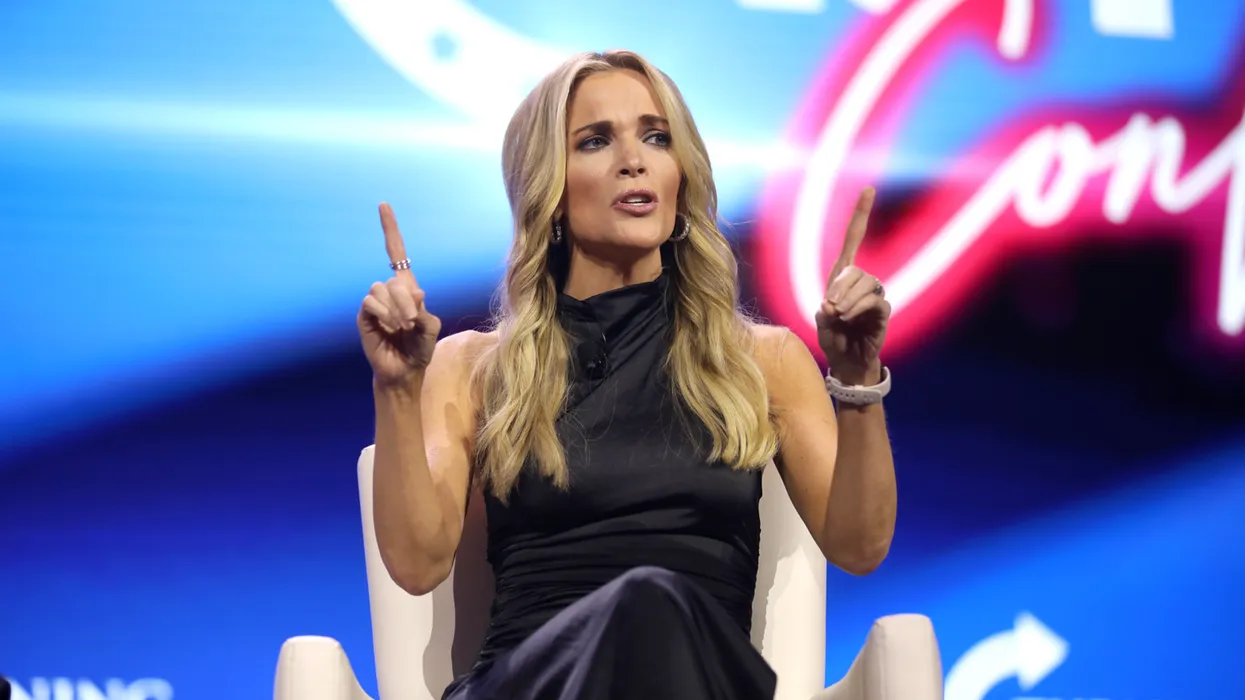
Megyn Kelly's transformation into an unabashed MAGA booster has drawn renewed scrutiny, and a new analysis from The Atlantic argues that a specific chapter of her television career may explain what it describes as her "drastic" and "morally appalling" shift.
Kelly was once viewed as a non-conformist and feminist-leaning presence during her years as a star anchor at Fox News, where she was also at times a critical voice against President Donald Trump. In recent years, however, she has repositioned herself as an overt and often foul-mouthed MAGA mouthpiece on her daily SiriusXM and YouTube show.
Her pivot has once again turned heads online after what critics called a "disconcerting" reaction to the "Cornell 7" college sexual assault scandal, in which Kelly attacked the victim as "not the most attractive gal" and suggested that she was "probably thrilled to be so admired."
In a new piece for The Atlantic published Saturday, staff writer Sophie Gilbert examined why Kelly's shift toward this kind of rhetoric feels far more drastic than other right-wing media "heel turns" of recent years.
"We've seen some drastic heel turns in the media over the past few decades, but none quite as morally appalling as a former self-described advocate for female empowerment suggesting that a woman in this situation might have craved the attention because no one would have wanted to have sex with her otherwise," Gilbert wrote. "Normally, I have a pretty strong constitution for this kind of bad-faith rage bait. But Kelly's display this week of what I can describe only as performative hysteria has been hard to watch. Less than a minute into her show on Monday, she invoked the Salem witch trials. Twenty-three minutes in came her first use of the word f—— (I counted seven in total). That the whole performance was interspersed with ad reads for supplements and a tiny avatar of Kelly pointing giddily at the 'Subscribe' button just added to the cognitive dissonance. It felt like watching morning television in Gilead."
Gilbert noted that she has found it difficult to discern how much of Kelly's reaction to the Cornell 7 case, and of her other similar outbursts, is genuine, and how much is simply a show aimed at drawing attention online. The stakes of that ambiguity are built into the show's structure: as Gilbert's account of supplement ad reads and subscribe-button prompts makes clear, a daily program of this kind runs on audience attention — the very currency, she suggests, that such outbursts are meant to capture. She argued that Kelly's "apparent worldview — where she herself can face sexual harassment due to patriarchal power structures that protect and even reward abusive men, but other women are likely lying — has been shaped by her rise and fall on TV news."
Kelly left Fox News shortly after Trump's first term began, after she confirmed in reports that she had been sexually harassed by the network's former CEO Roger Ailes. She then moved into a much-anticipated new role at NBC News, but her tenure there flamed out quickly and she was fired after a series of controversial moves — the moment, Gilbert contends, that set the stage for the persona Kelly presents today.
"This moment seems to have influenced Kelly's current persona," Gilbert explained. "Public humiliation is hard for anyone to endure, but for someone with a renegade streak ('I've never been a 'pc' kind of person,' she reportedly wrote in her apology email to NBC staffers after her blackface comments), seeing so many people celebrating her failure must have been immensely painful. By the time The Megyn Kelly Show launched as a podcast in September 2020, mid-pandemic, Kelly was snidely describing her guests as lefties, complaining about the assault allegations against the Supreme Court justice Brett Kavanaugh, and raging at the 'dishonesty' of the press covering Trump."
The podcast Gilbert describes has since grown into the daily SiriusXM and YouTube operation now at the center of her critique — an independent platform where, in her telling, the persona forged by Kelly's network-era setbacks shares the screen with subscription prompts and supplement ads. How, or whether, Kelly's operation engages with the critique remains to be seen.

