Iranian Diplomats' Authority Questioned in Strait of Hormuz Negotiations: WSJ
Key Takeaways
- •Arab mediators facilitating Strait of Hormuz negotiations doubt whether Iranian diplomats possess sufficient authority to implement a potential reopening agreement.
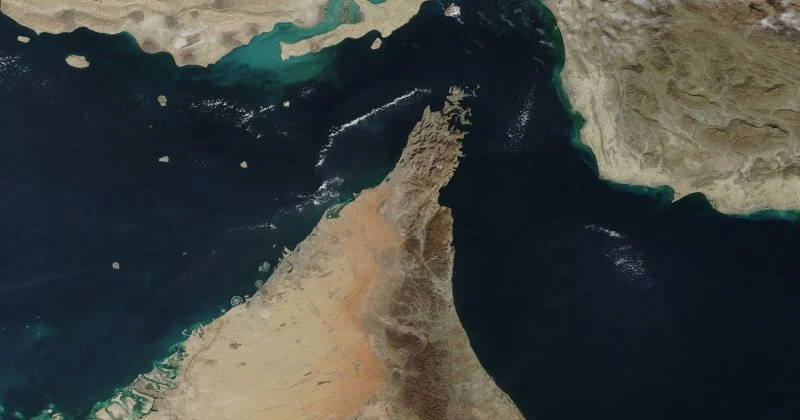
- •The Strait of Hormuz connects the Persian Gulf to the Gulf of Oman and carries approximately one-fifth of global oil consumption flows.
- •Iran's Supreme Leader Ayatollah Ali Khamenei and the IRGC hold ultimate authority over national security and maritime operations, meaning any diplomatic commitment would require endorsement beyond the Foreign Ministry.
- •Oman has served as the key intermediary brokering indirect talks between Tehran and Washington.
- •Prediction market confidence in a resolution by August 31 has declined from 65% to 50.5% over the past 24 hours, with the likelihood of normalized traffic dropping to 12.5%.
Arab mediators facilitating negotiations to reopen the Strait of Hormuz have expressed concerns over whether Iranian diplomats possess sufficient authority to implement a potential agreement, according to a report by the Wall Street Journal.
The doubts add a new layer of uncertainty to the diplomatic process aimed at reopening one of the world's most critical maritime chokepoints, which connects the Persian Gulf to the Gulf of Oman and accounts for approximately one-fifth of global oil consumption flows. The strait has been a focal point of tension amid the ongoing U.S.-Iran conflict.
The mediators' concern reflects Iran's layered power structure, in which ultimate authority over national security and military matters rests with Supreme Leader Ayatollah Ali Khamenei rather than the civilian government. The Islamic Revolutionary Guard Corps (IRGC), which reports to the Supreme Leader, exercises operational control over maritime security in the Strait and the broader Gulf, meaning any diplomatic commitment to reopen shipping lanes would likely require endorsement beyond the Foreign Ministry to be carried out in practice.
Oman has been serving as the key intermediary, brokering indirect talks between Tehran and Washington. However, unresolved details and the potential lack of enforcement capability on the Iranian side continue to present significant challenges to reaching a durable agreement.
According to prediction market data, confidence in a resolution by August 31 has declined over the past 24 hours, with odds falling from 65% to 50.5%. The likelihood of normalizing traffic through the Strait by the same date currently stands at 12.5%, down from 16% a day earlier.
Observers are closely watching for official announcements or statements from key actors, including Iran's Foreign Minister Abbas Araghchi and U.S. President Donald Trump, which could signal movement toward an agreement. Changes in vessel tracking data and updates from mediators such as Oman may also provide further indications of progress. The continuation of indirect talks and any reports of a formal ceasefire extension remain additional factors that could shape expectations surrounding the reopening of the Strait.

