5G Smartphone Shipments Rise 8% YoY Across the Middle East and Africa in Q2 2026
Key Takeaways
- •Overall smartphone shipments in the Middle East and Africa fell 26% year on year in Q2 2026.
- •5G smartphone shipments increased 8% year on year, helped by a rapid expansion of 5G networks and policy support.
- •The sub-$250 smartphone segment dropped 26% as OEMs redirected scarce chips and memory toward higher-margin devices.
- •Samsung held the top position with a 32% market share, up from 22% a year earlier, while Apple rose to 10%.
- •Counterpoint expects memory scarcity to continue through the end of 2027 or the first half of 2028.
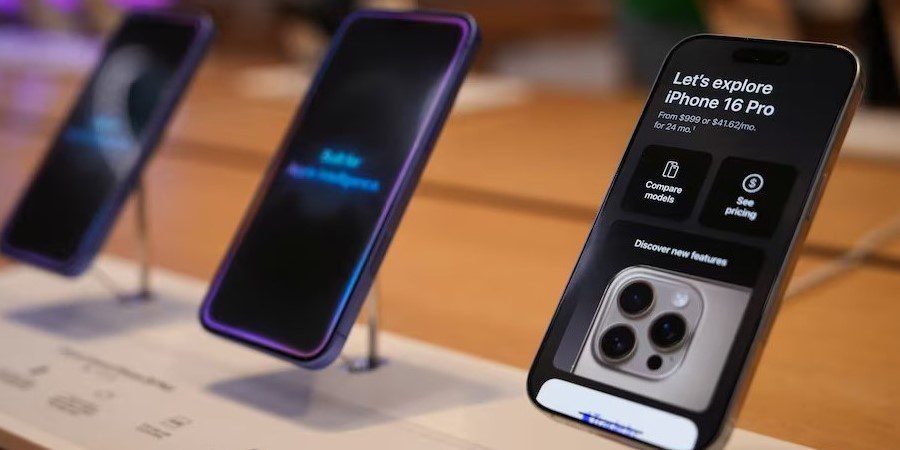
5G smartphone shipments across the Middle East and Africa (MEA) rose 8% year-on-year (YoY) in the second quarter of 2026, even as the region's overall smartphone market contracted sharply, according to an industry report by Counterpoint Research. The increase came alongside an inevitable surge in device prices amid ongoing chip shortages.
Counterintuitively, the growth in 5G shipments stems from a collapse in the sub-$250 budget device segment, which crashed 26% YoY. The shift is not the result of MEA smartphone users suddenly wanting luxury devices. Instead, a global memory shortage crisis that began in 2025 is driving the change. Confronted with the ongoing market shock, smartphone makers (OEMs) are allocating limited microchips and memory to higher-margin premium devices rather than entry-level phones. This sudden, unexpected shift produced a shortage of entry-level smartphones, and manufacturers are now reallocating the expensive, limited chips to the production of 5G devices.
"The divergence reflects both a low regional base in Q2 2025 and the rapid buildout of 5G networks and supporting policy across the region," part of the report reads.
At the bottom of the ladder are entry-level MEA consumers, who may well be priced out of the market. The dynamic raises renewed concerns about affordability at a time when Africa is experiencing a surge in smartphone adoption driven by its youthful population and growing internet penetration. Faced with higher prices, budget-conscious buyers may be forced to rely on buy-now-pay-later (BNPL) or instalment plans offered by M-Kopa, MOGO, Easybuy and others. For operators and handset vendors, that makes access to financing and lower-cost device availability increasingly important as the market shifts away from the segment that has traditionally powered volume growth.
The weakness extends a broader regional downturn: MEA smartphone shipments had already dropped 7% YoY in Q1 2026.
Overall smartphone shipments across the MEA region fell 26% YoY in Q2 2026, driven by continuous chip scarcity and a drop in production of the sub-$250 segment. Counterpoint Research Analyst Ahmad Shehab described the quarter as "the weakest quarter of the year," attributing it "largely because of the memory crisis, as well as the shift in the Islamic calendar against the Gregorian calendar, which concentrated all H1 occasions into Q1." The development also reflects how the ongoing memory crisis is pushing OEMs to ration constrained supply toward higher-margin models as a way to cover the rising cost of chips.
Despite the market decline, Samsung led with a 32% share, up from 22% in Q2 2025. The gain is attributed to strong performances from its A07 and A17 models alongside the recently launched S26 flagship lineup, with Samsung capturing underserved MEA consumers at the expense of other OEMs. Apple rose from 8% to 10%, attributed to continued demand for iPhone devices. Meanwhile, Tecno's market share dropped from 17% to 15%, Infinix fell from 6% to 5%, and Xiaomi recorded a share of 12% compared with 10% a year earlier.
"Transsion and Xiaomi were hit hardest, steeply impacting their market shares, because their volume is concentrated in exactly the entry-tier segment, which is the most exposed to the memory price crunch," Shehab said.
For the second half of 2026, the current trajectory is expected to continue, driven by projections that memory scarcity will run until the end of 2027 or the first half of 2028.
