Former FBI Official Warns New Hiring Rules Could Expose Agents to Blackmail by Foreign Spies
Key Takeaways
- •The FBI is reportedly changing applicant screening so past involvement with prostitution no longer automatically disqualifies candidates, according to Associated Press reporting.
- •Former deputy director Andrew McCabe called the policy change "confounding" and questioned the rationale behind it.
- •McCabe noted that engaging in or supporting prostitution is illegal in every U.S. state.
- •McCabe warned that prostitution-related histories expose agents to blackmail, coercion, and manipulation by criminal actors or foreign adversaries.
- •McCabe speculated the change may stem from recruiting struggles after firings and attrition, but said recruitment difficulties alone are hard to imagine as a full explanation.
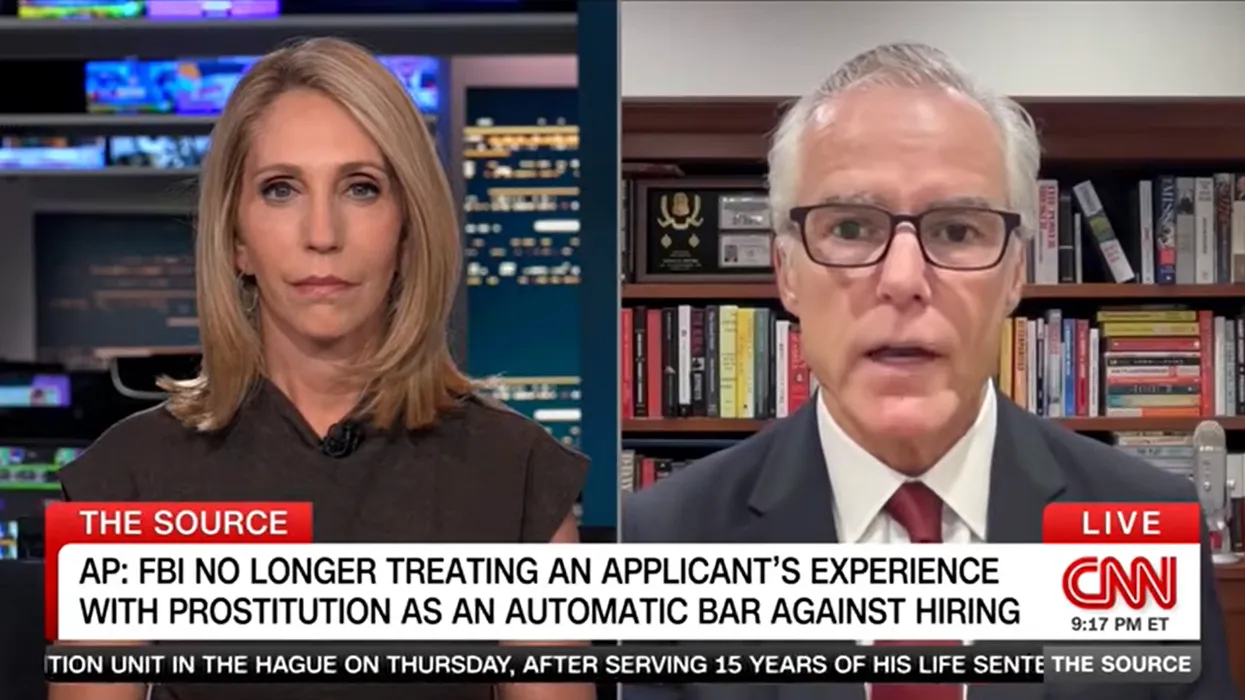
New FBI hiring rules that would permit the recruitment of agents with a history of prostitution-related criminal charges are "confounding," according to former FBI deputy director Andrew McCabe.
Appearing on CNN on Friday, McCabe attempted to make sense of the policy shift. According to reporting by the Associated Press, the FBI is changing how it screens job applicants, so that past involvement with prostitution will no longer automatically disqualify every candidate.
"The reporting is confounding," McCabe said. "It raises the question in your mind, Why would they make this change?"
McCabe pointed out that engaging in prostitution or "supporting" prostitution is illegal in every state, "so we're talking about committing a crime."
Beyond the legal issue, McCabe highlighted the security implications. FBI agents are susceptible to blackmail over prostitution, and engaging in it "makes you more vulnerable to coercion or manipulation by criminal actors or foreign adversaries," he said. Concerns about sexual blackmail, often called "honey trap" tactics, have long been a staple of foreign intelligence operations, which is why concealable personal conduct has traditionally been treated as a disqualifying vulnerability in background investigations for positions requiring security clearances.
"There's a very serious security reason why you don't want to hire people who have done things in their background, like violating the law, committed crimes, committed sexual offenses that they would prefer the rest of the world not know about," McCabe said. "Things that you want to hide make you more vulnerable, so there are many good reasons to exclude applicants on these grounds."
McCabe went on to speculate about why the FBI might be lowering its standards, suggesting it likely stems from difficulty recruiting new agents.
"I don't know that we have a clear answer to that, but one reason might be that they're really struggling to recruit people," McCabe said. "Maybe they have fired so many people and lost so many people through attrition over the last year that they're struggling on the hiring side."
Still, McCabe said it is "hard to imagine" that recruitment troubles alone explain the change "because we've always had a wealth of candidates. Or maybe they're trying to create a pathway for people who traditionally have not been able to get into the FBI, which raises its own concerns."

