Rep. Max Miller Faces Evidence Tampering Concerns After Document Metadata Altered Amid House Ethics Probe
Key Takeaways
- •Documents Representative Max Miller shared in connection with a House Ethics Committee investigation were altered after a media inquiry, prompting concerns about potential evidence tampering under federal law.
- •The documents initially displayed metadata indicating authorship by Miller's congressional office, which if accurate would violate House rules prohibiting use of official resources for personal matters.
- •Miller's chief of staff attributed the metadata discrepancy to possible use of artificial intelligence tools and stated that Minc Law LLC handled both document production and the Dropbox folder creation.
- •The House Ethics Committee investigation was launched at Miller's own request in response to publicly reported allegations of child abuse and domestic abuse, which Miller has denied.
- •If found to have knowingly altered records with intent to impair their integrity in an official proceeding, Miller could face federal felony charges carrying up to 20 years in prison.
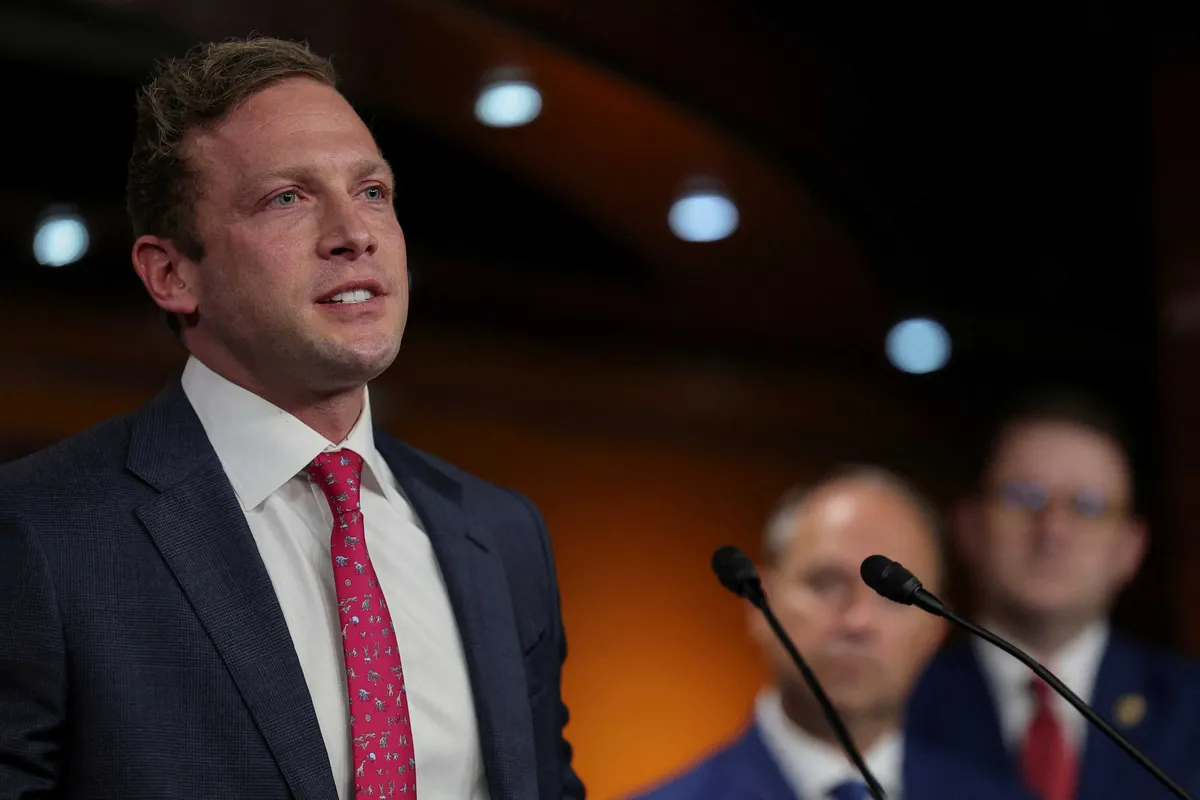
Rep. Max Miller (R-OH) is facing scrutiny after documents he shared in connection with an ongoing House Ethics Committee investigation were found to have been altered, raising concerns about potential evidence tampering. Under federal law, specifically 18 U.S.C. § 1519, knowingly altering records with the intent to impair their integrity in an official proceeding can constitute a felony punishable by up to 20 years imprisonment. The House Ethics Committee also has the authority to issue sanctions ranging from reprimand to expulsion and may refer matters to law enforcement.
According to reporting by Politico, four documents Miller posted in a Dropbox folder showed the authorship metadata as "Office of Rep. Max Miller – Legal Counsel," suggesting that congressional resources were used to create them. Using House resources for personal matters would violate House rules, as the Members' Congressional Handbook prohibits the use of official funds and staff for non-official purposes. After Politico contacted Miller's personal attorney, Aaron Minc, the metadata on the documents was changed to read "Minc Law LLC," Politico's Daniel Lippman reported.
The alteration prompted sharp criticism online. "To be clear, this could absolutely be illegal evidence tampering," wrote lawyer and activist Cheyenne Hunt in a post on X.
Former GOP congressman and convicted fraudster George Santos also weighed in, writing on X: "Tampering with evidence. Lovely."
Miller's chief of staff, Phil Poe, told Politico that the metadata discrepancy may have been the result of using artificial intelligence tools. He insisted that Minc handled both the production of the documents and the creation of the Dropbox folder. Poe also noted that Miller's congressional office does not employ anyone with the title "Legal Counsel."
Miller has denied the allegations of child abuse and domestic abuse that prompted the ethics review. The documents in the Dropbox folder contain recordings, records, and other materials related to the publicly reported allegations against him. Some files include transcriptions of recorded phone calls between Miller and his ex-wife, Emily Moreno.
One document in the folder states: "It is provided so that reporting on these allegations can be checked against the primary record." It adds: "Every factual claim made in the Congressman's public statement is supported by an exhibit in this packet."
The House Ethics Committee investigation was launched at Miller's own request. Members under ethics investigation typically continue serving while the committee conducts its review, a process that can span months or longer before reaching conclusions.
