Mastercard Completes BVNK Acquisition, Strengthening Stablecoin Payment Infrastructure
Key Takeaways
- •Mastercard completed its acquisition of BVNK to bring stablecoin payment infrastructure in-house and strengthen its crypto-based settlement capabilities worldwide.
- •BVNK's core technology consists of APIs that allow businesses to issue, accept, and settle payments in stablecoins such as USDC and USDT, now becoming part of Mastercard's technology stack.
- •The acquisition effectively creates a crypto-fiat network connector, giving Mastercard an advantage over rival card networks that have not yet made comparable stablecoin deals.
- •Key details including the deal's financial value, integration timeline, and product rollout plans were not disclosed in the announcement.
- •The transaction follows an established industry trend of payment companies acquiring stablecoin platforms, similar to Stripe's acquisition of Bridge in late 2024.
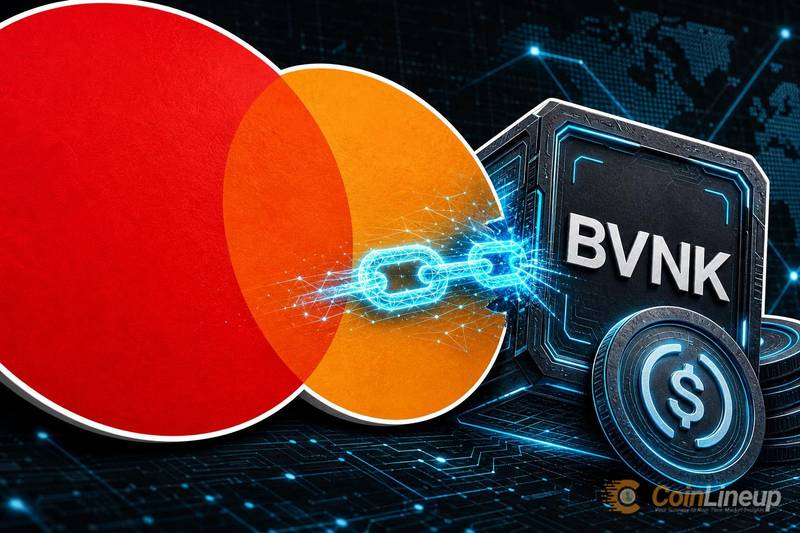
Mastercard has completed its acquisition of BVNK, a stablecoin payments infrastructure provider, marking a significant step in the card network's expansion into crypto-based settlement, according to a company press release.
The acquisition positions Mastercard to extend stablecoin capabilities throughout its worldwide payments network. Mastercard's announcement frames the transaction around advancing global stablecoin and payment infrastructure rather than treating it as a conventional corporate merger.
BVNK confirmed the transaction independently, publishing a post stating that it has joined Mastercard. Both parties characterize the combination as strategically centered on stablecoin payments. BVNK's core product offering has centered on APIs that enable businesses to issue, accept, and settle payments denominated in stablecoins such as USDC and USDT — capabilities that now move directly into Mastercard's in-house stack.
Strategic Focus on Stablecoin Infrastructure
The deal's strategic core lies in stablecoin infrastructure. Mastercard's announcement directly links BVNK to its broader ambition of advancing stablecoin and payment capabilities on a global scale.
Stablecoins occupy a critical position at the intersection of fiat currency and blockchain rails — the settlement layer where a card network such as Mastercard can move and transfer value. Analysts have previously noted that the acquisition effectively creates a crypto-fiat network connector, which is why the stablecoin dimension of the deal carries more significance than the transaction headline alone.
The move aligns with a wider industry trend of payment processors and networks positioning themselves for on-chain settlement. Stripe's acquisition of stablecoin payments platform Bridge in late 2024 established a template for incumbents buying their way into stablecoin rails, and Mastercard's BVNK deal extends that pattern from payment processors to card networks specifically. It also arrives alongside parallel initiatives across the sector, including Coinbase's efforts to enable AI agents to transact using crypto and stablecoin payments.
What Is Known and What Remains Unclear
Completing the BVNK acquisition gives Mastercard dedicated stablecoin infrastructure in-house and strengthens its positioning in cryptocurrency payments relative to rival card networks that have not yet made comparable acquisitions. That represents the concrete takeaway from the announcement.
Several key details remain undisclosed. The available information does not specify the deal's financial value, an integration or rollout timeline, or any measurable market response to the completion. No verified customer counts, revenue projections, or product integration specifics have been documented.
The acquisition also sits within a broader wave of consolidation across digital assets, comparable to Franklin Templeton's completed acquisition of 250 Digital.
Looking ahead, the focus will be on execution — specifically how Mastercard integrates BVNK's stablecoin rails into its existing card network, whether stablecoin-settled card products reach consumers and merchants, and how competitors respond.

