Massachusetts Utilities Launch Joint Vehicle-to-Grid Pilot Through ConnectedSolutions Program
Key Takeaways
- •Eligible Eversource and National Grid residential customers in Massachusetts may enroll V2G-capable EVs in ConnectedSolutions under the pilot.
- •Vehicle-to-grid technology allows parked EVs to send stored battery power back to the grid during high-demand periods.
- •Massachusetts has more than 150,000 electric vehicles on the road, creating a growing potential distributed energy resource.
- •National Grid is already applying V2G in ConnectedSolutions for light-to-medium-duty fleets, beginning with school buses.
- •ConnectedSolutions compensates participants for making distributed energy resources available during peak demand events.
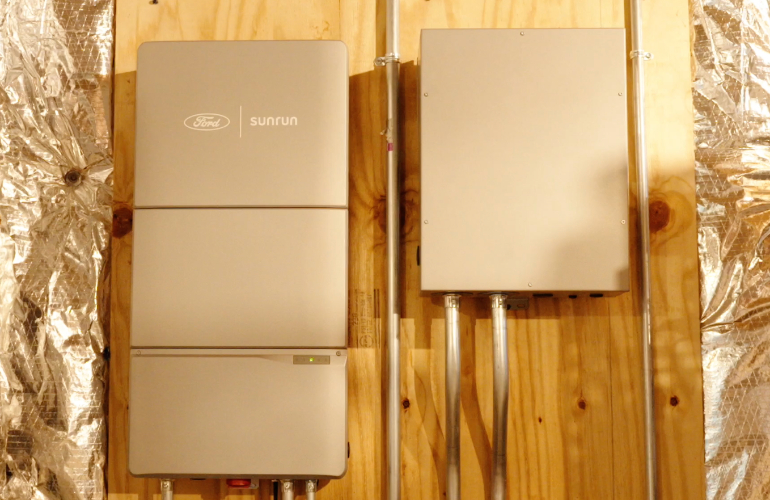
Eversource, National Grid, EnergyHub, Sunrun, and The Mobility House have announced a joint initiative to test vehicle-to-grid (V2G) capabilities across Massachusetts, marking a significant step toward integrating electric vehicles into the state's energy infrastructure.
Under the pilot, qualifying residential customers of Eversource and National Grid in Massachusetts will be able to enroll their V2G-capable electric vehicles (EVs) in the existing ConnectedSolutions program. ConnectedSolutions currently draws on flexible capacity from smart thermostats, batteries, and commercial and industrial resources to reduce strain on the electric grid. Eversource and National Grid will now leverage the program's established infrastructure to evaluate how those demand-response capabilities extend to V2G technology.
"ConnectedSolutions is an important part of our strategy to deliver safe, reliable and affordable service," said David Roman Ubeda, Senior Program Manager at National Grid. "V2G may provide additional opportunities to customers in support of managing their energy bills while advancing long-term sustainability across Massachusetts."
With more than 150,000 EVs already on Massachusetts roads and an expanding selection of bidirectional-capable models entering the market, the state represents a substantial and growing distributed energy reserve. Vehicle-to-grid technology enables EV drivers to discharge stored battery energy back to the grid during periods of peak demand, effectively turning each parked vehicle into a grid-support asset. The pilot aligns with Massachusetts' legally binding commitment under the Next-Generation Climate Roadmap Act to reach net-zero greenhouse gas emissions by 2050, a target that will require substantial reductions in transportation emissions alongside expanded deployment of clean energy resources.
Beyond the residential pilot, National Grid is already leveraging V2G within ConnectedSolutions for light-to-medium-duty fleets, starting with school buses. Meanwhile, Eversource is engaged in discussions with school districts as part of its ConnectedSolutions+ offering, which builds on the utility's broader demand response and energy efficiency portfolio.
"ConnectedSolutions is a nation-leading model for implementing virtual power plants, enabling us to actively partner with customers to help ease the strain on the electric grid," said Tilak Subrahmanian, Eversource Vice President of Energy Efficiency and Electric Mobility. "We are proud of the impact our demand response efforts have had so far, and we are excited to test the capabilities we've built within ConnectedSolutions on new innovations, such as V2G."
The collaboration among utilities, technology providers, and vehicle integrators reflects growing interest in bidirectional charging as a tool for grid reliability. Massachusetts is among several states advancing V2G, with California having enacted legislation directing its utilities and regulators to develop interconnection standards and tariff structures for bidirectional EV charging. ConnectedSolutions, widely recognized as one of the largest behind-the-meter demand response programs in the United States, compensates participating customers for making their distributed energy resources available during peak demand events.

