Mary Trump Points to Nvidia Intervention as Evidence of Trump's Open Conflicts of Interest
Key Takeaways
- •Mary Trump alleged in a Wednesday Substack post that President Trump helped reinstate Jensen Huang as Nvidia's CEO to profit from shares bought at low prices, though she offered no specifics about his trades.
- •Trump, who owns Nvidia stock and trades it himself, told CNBC the board would not have reinstated Huang without his intervention.
- •Nvidia's share price fell after reports about Huang's conduct and workplace issues, then jumped 36 percent when his return as CEO was announced.
- •Huang is under bipartisan scrutiny, including from Republican Sen. Tom Cotton, over his relationship with the CEO of Megaspeed, whom U.S. officials suspect of being a Chinese spy, and over advanced chips reaching China.
- •Huang faces a public Senate hearing and two days of questioning by three House committees next week over potential export violations and chip smuggling, ahead of Democrats taking control of Congress on Jan. 3.
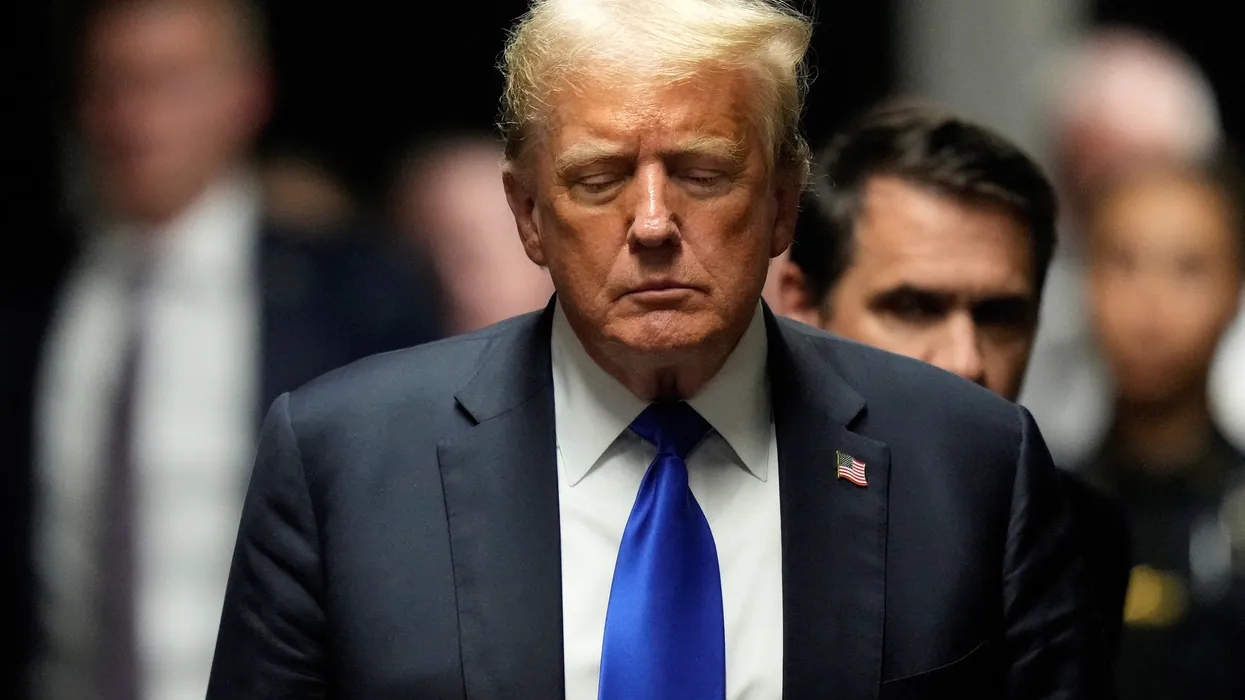
Mary Trump says her uncle has stopped pretending to avoid conflicts of interest, and she views the Trump administration's role in bringing Jensen Huang back as Nvidia's chief executive as the latest example.
In a sharply critical post on her Substack on Wednesday, the president's niece argued that the conduct she sees in the Nvidia affair is "so obvious, so egregious, so in your face" that even Republicans should no longer look past it.
Trump owns Nvidia stock and has said he trades it himself. Nvidia's share price fell following reports about Huang's personal conduct and a toxic workplace environment, then surged 36 percent when his return as CEO was announced. Mary Trump contends that the president helped restore Huang in order to profit from shares he purchased at low prices after Huang resigned, though she does not offer specifics about Trump's trades.
Trump has not been shy about his role. In a call to CNBC, he said he was instrumental in getting Huang reinstated and that the board would not have acted without his intervention. "I believe my intervention was very important," Trump said. Asked what had changed — sources close to the board had said Huang would not be returning — Trump said only that he had spoken with Huang and "convinced" the board.
Mary Trump added that what is even more notable is that he is doing it in the open, bragging that the board did as he wanted.
The dispute has drawn attention because it sits at the intersection of the president's personal stock holdings and a national-security debate over where advanced AI chips end up. Nvidia supplies much of the computing hardware behind the AI industry, so decisions about its leadership — and about its China business — reach well beyond a single company's share price.
Huang is already under fire for his relationship with the CEO of Megaspeed, whom U.S. officials suspect of being a Chinese spy. Republican Rep. Don Bacon of Nebraska said the administration cannot claim the country is in an "AI war" while sending its best chips to China. Sen. Ron Wyden (D-Ore.) said Huang's reinstatement shows that "our national security is for sale." Even Republican Sen. Tom Cotton, chairman of the Senate Intelligence Committee, called the controversy "just the tip of the iceberg."
Mary Trump also pointed to Commerce Secretary Howard Lutnick, whose sons now run Cantor Fitzgerald, the company he previously led, and to a probe led by Rep. Jamie Raskin (D-Md.) examining whether Donald Trump Jr.'s venture capital firm, 1789 Capital, is profiting from foreknowledge of government contracts. She further criticized an executive order Trump signed on Nov. 20 that requires federal contractors to alert the White House before responding to congressional inquiries, calling it unprecedented and intended to silence companies.
Huang is facing a public Senate hearing and two days of questioning by three House committees next week over potential export violations and chip smuggling. The hearings are centered on export compliance and smuggling rather than the conflict-of-interest allegations, but the timing puts Huang and the administration's chip policy before Congress just as Mary Trump's claims are circulating. Democrats, who take control of Congress on Jan. 3 — and with it the chairmanships of the committees involved — are already gearing up to dig deeper. Between next week's hearings, the Raskin probe, and the criticism of the Nov. 20 executive order, the oversight fight is set to play out on several fronts at once.

