Mary Trump Warns Damage to DOJ's Civil Rights Division Will Take 'Generations to Repair'
Key Takeaways
- •Mary Trump warned that harm to the Justice Department's Civil Rights Division will take generations to repair and accused the administration of gutting the office.
- •A Human Rights Watch report published in August found the division had lost roughly 75 percent of its attorneys between January 2025 and the spring of 2026.
- •In December 2025, more than 200 former Justice Department employees warned that leadership was abandoning matters involving police brutality, sexual harassment, and voting discrimination.
- •The department announced in September the dismissal of more than 50 school desegregation cases that had been on court dockets for more than half a century.
- •The Justice Department said its leadership was returning the division to its original mission of defending the rights of all Americans.
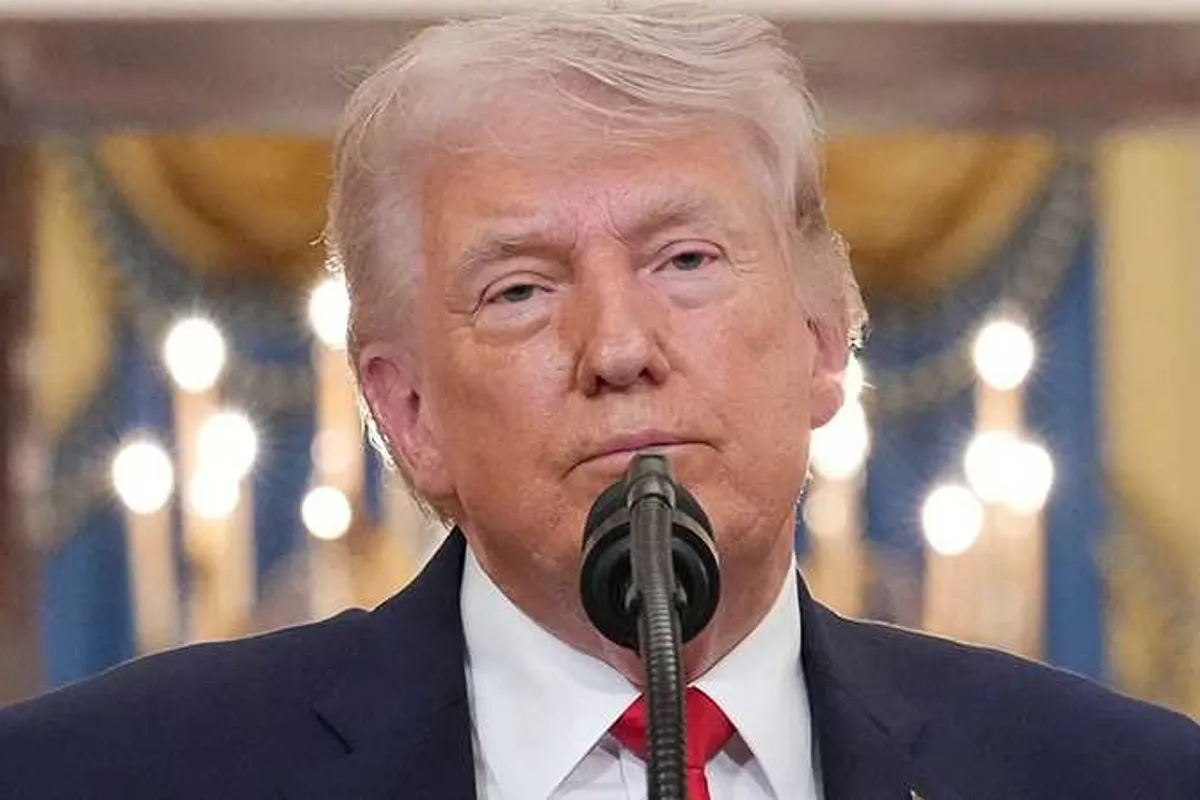
Mary Trump, a clinical psychologist and the niece of President Donald Trump, has warned that the harm done to the Justice Department's Civil Rights Division will take "generations to repair," accusing her uncle's administration of gutting an office whose mandate is to shield Americans from discrimination.
In a YouTube video, she singled out Harmeet Dhillon, the assistant attorney general who leads the division, for presiding over the loss of both staff and institutional knowledge.
"The once-storied Civil Rights Division of the DOJ has been brought to its knees under the malign leadership of Harmeet Dhillon," Trump said, describing the staff exodus as an "unprecedented destruction of institutional memory."
She attributed the deterioration to a presidential power grab, arguing that Republican lawmakers and the conservative bloc on the Supreme Court had enabled the administration to act as it has. "Together, they have dismantled protections millions of Americans rely on," she said.
Of Congress, Trump said the legislature had ceded its constitutional authority to a "rogue executive branch" when its role should be holding officials to account and controlling spending. "The question before Americans is not simply which party will control Congress, but whether the legislative branch will exercise its constitutional responsibilities independent of the president," she said.
The Civil Rights Division was created by the Civil Rights Act of 1957 — the first civil rights legislation enacted since Reconstruction — and enforces federal laws prohibiting discrimination based on race, sex, disability, religion, and other protected characteristics.
A Human Rights Watch report published in August found that the division had lost roughly 75 percent of its attorneys as part of a broader retreat from civil rights enforcement across several agencies between January 2025 and the spring of 2026. The watchdog also documented the departure of lawyers and investigators with decades of experience in building discrimination cases, and cautioned that with offices closing and investigations being dropped, people in need of protection were being left without adequate recourse. The watchdog's account of vanishing case-building experience is the factual backdrop to her warning that repairs will span generations.
In December 2025, more than 200 former Justice Department employees warned that the administration was dismantling the division and that its leadership was walking away from matters involving police brutality, sexual harassment, and voting discrimination. The department told Reuters at the time that its leadership was in fact putting the division back on track to its original mission of defending the rights of all Americans.
In September, the department announced the dismissal of more than 50 school desegregation cases that had been on court dockets for more than half a century. Dhillon said circumstances in classrooms no longer warranted the kind of federal oversight that had been in place. According to the department, it was reviewing the cases individually and would ask for their dismissal once it concluded that a district had achieved unitary status, the legal determination that a district has fulfilled its desegregation obligations and can be released from federal court supervision. Any dismissals would then fall to the federal judges who preside over those decades-old dockets, making the courts the next place to watch as the department's review moves forward.

