Nobel Laureate Maria Ressa Says Trump Dismantled US Democracy Faster Than History's Strongmen
Key Takeaways
- •Maria Ressa's new book claims Trump accomplished in one year what leaders such as Orbán, Vučić, Modi, and Erdoğan took four to ten years to achieve in their own countries.
- •Ressa writes that legislative checks on the U.S. president lost one-third of their value in 2025, reaching their lowest point in more than a century, and that Congress has largely abandoned its oversight role.
- •A V-Dem Institute report this year found U.S. democracy at its lowest level since 1965, with three-quarters of the world's population now living under autocratic regimes.
- •Ressa argues that tech billionaires are even more dangerous than Trump, naming Meta CEO Mark Zuckerberg alongside former Philippine President Rodrigo Duterte as dictators.
- •Meta eliminated third-party fact-checking in the United States in January 2025 while retaining it in the Philippines, a move Ressa questioned as possibly intended to curry favor with Trump.
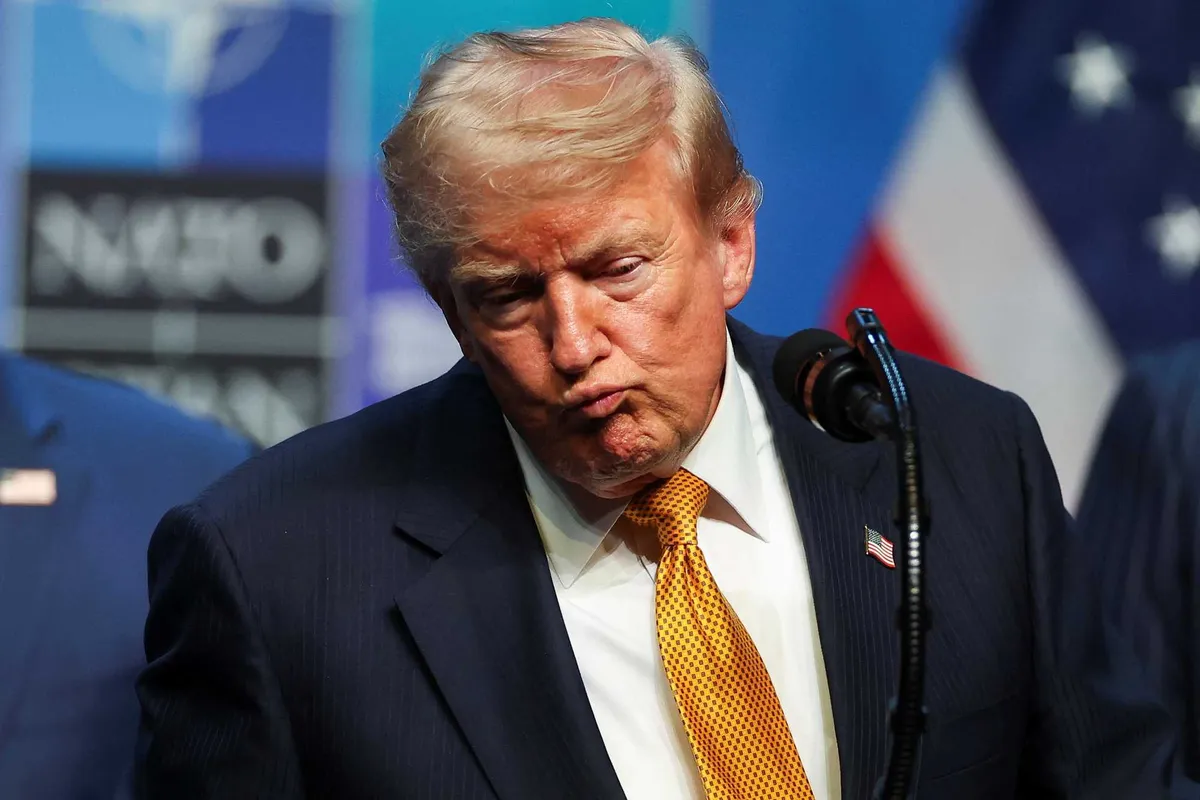
President Donald Trump has dismantled American democracy faster than some of the world's most notorious strongmen dismantled it in their own countries, according to Nobel Peace Prize laureate Maria Ressa.
In her new book, "The Fight Back: A Citizen's Guide to Standing Up to Dictators," the Filipino American journalist compares Trump to world leaders accused of destroying democracy. Hungary's Viktor Orbán took four years, Serbia's Aleksandar Vučić took eight, and India's Narendra Modi and Turkey's Recep Tayyip Erdoğan took 10 to accomplish what, she wrote, "Trump accomplished in one year."
Ressa writes that in 2025, checks on the president through the legislative branch lost one-third of their value, falling to their lowest point in more than a century. She argues that the U.S. Congress has essentially abandoned its oversight role, as the Philippines' Congress did. She also notes that at least 55 percent of the 320 goals set out in the Heritage Foundation's Project 2025, the conservative think tank's policy blueprint, have already been accomplished.
Her figures align with a report published this year by Sweden's V-Dem Institute, an academic research center at the University of Gothenburg that tracks democratic performance worldwide, which found that democracy in the United States had sunk to its lowest point since 1965 and that three-quarters of the world's population now lives under autocratic regimes. Ressa told The Guardian that she had to read one line of the V-Dem report three times: "The speed with which American democracy is currently dismantled is unprecedented in modern history."
Ressa, who won the 2021 Nobel Peace Prize alongside Russian journalist Dmitry Muratov for their efforts to safeguard freedom of expression, has experienced such pressures firsthand. After she co-founded Rappler, a news website, the Philippine government under former President Rodrigo Duterte filed 11 cases against her, and she has had to post bail 10 times. Duterte was arrested in March 2025, and his trial for crimes against humanity at the International Criminal Court, based in The Hague, is set to begin on Nov. 30.
In her book, Ressa argues that tech billionaires are even more dangerous than Trump. She names Meta CEO Mark Zuckerberg as one of the dictators alongside Duterte. During Trump's 2025 inauguration, Zuckerberg — along with other tech billionaires such as Elon Musk and Jeff Bezos — was given a prominent seat ahead of Trump's Cabinet nominees.
Ressa also criticized Meta for eliminating third-party fact-checking in the United States in January 2025 while retaining it in the Philippines, and questioned whether the move was made to curry favor with Trump. When Meta announced the change, it said it would replace outside fact-checkers with a community notes system run by users. Zuckerberg has since been named to Trump's advisory council for science and technology.
Ressa said she was concerned about the amount of time Americans seemed to be frozen in response to Trump, until communities in Minneapolis organized against deadly immigration raids earlier this year. Shortly after her interview, Trump was dealt a blow by voters during the midterms.
Still, Ressa said the clock was running out, pointing to elections in France in April, and warned that if democracies fail to get this right, it will be much more difficult to recover lost rights.
"I feel like the train is coming at us in slow motion," Ressa said.

