Seven Practical Ways to Make Your Salary Last Until Payday
Key Takeaways
- •The article recommends assigning every naira a purpose by budgeting essentials, savings, and personal expenses before spending begins.
- •It advises setting money aside as soon as salary arrives, noting FairMoney's FairSave and FairTarget products can be used to work towards financial goals.
- •Converting a monthly budget into weekly spending limits helps expose overspending early while there is still time to adjust.
- •Small frequent expenses such as snacks, delivery fees, and subscriptions can collectively consume a substantial share of income, making regular tracking important.
- •Keeping a small emergency buffer separate from regular spending money can prevent a single unexpected expense from disrupting an entire month.
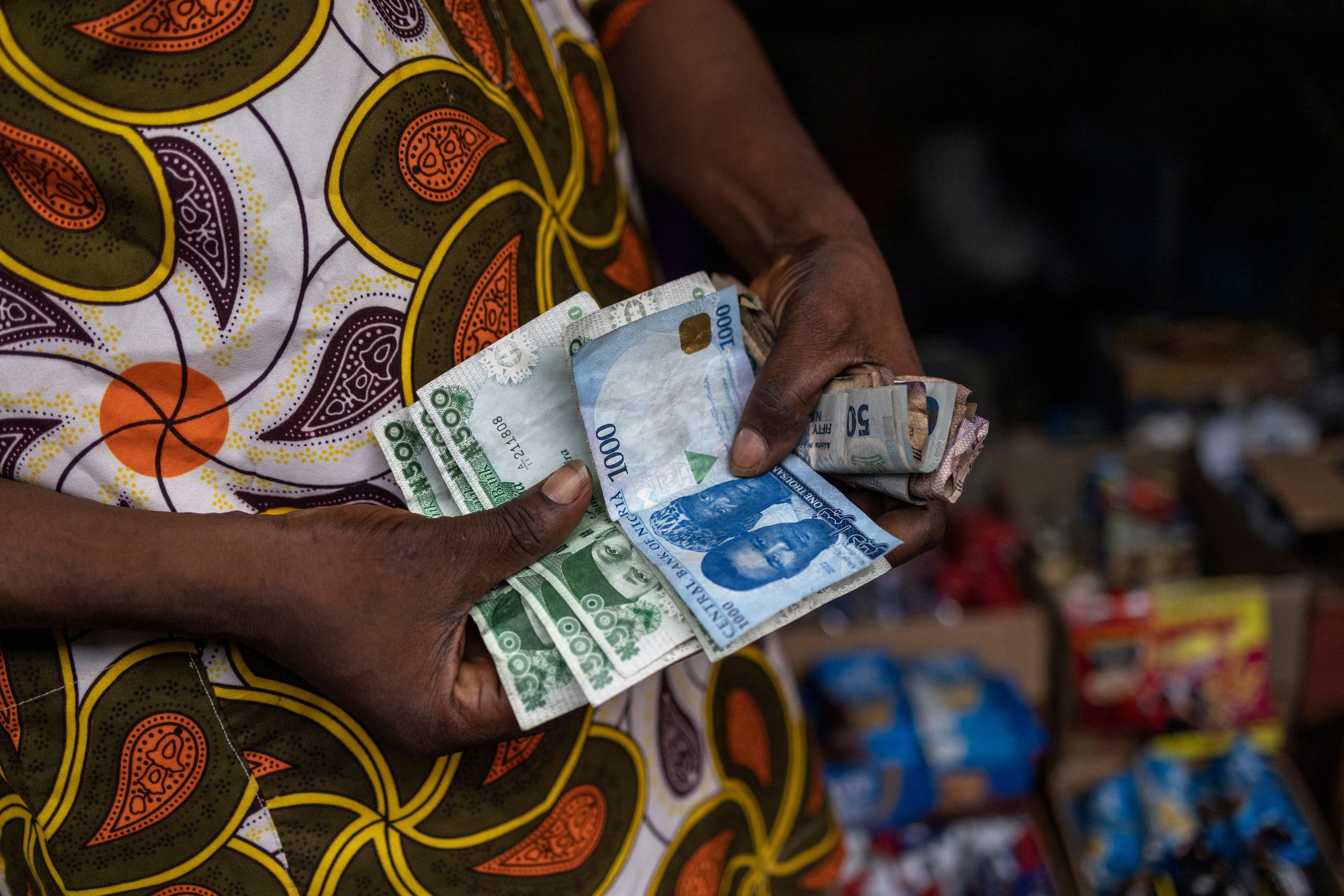
For many young Nigerians, payday delivers instant relief. The salary alert lands, bills are settled, groceries are restocked, and there is finally room for a little enjoyment. Then, a few days later, a glance at the account balance prompts the familiar question: “Where did all my money go?”
Between transport, food, mobile data, subscriptions, family responsibilities and unexpected expenses, stretching an income until the next payday can feel like a serious challenge. The stakes are higher for those paid monthly, since money that runs out early can leave weeks before the next salary alert arrives. Yet managing money does not require cancelling every outing or giving up everything enjoyable.
With a few deliberate habits, it is possible to stay in control of personal finances and avoid spending the final days before payday under unnecessary pressure. Here are seven practical ways to make money last longer:
1. Give Every Naira an Assignment
Money without a plan has a way of vanishing. A few transfers, food deliveries and quick purchases later, an account balance can look very different from what was expected.
Before the payday excitement sets in, list everything the income needs to cover. Start with essentials such as rent, food, transport, electricity, airtime and data. Then allocate realistic amounts to savings, family support, entertainment and personal expenses.
A budget does not need to be a complicated spreadsheet. A simple note on a phone can clarify what must be paid now and what can wait. When every naira has an assignment, impulse spending becomes easier to control.
2. Save Before the Spending Begins
Waiting until the end of the month to save sounds reasonable — until the month ends and almost nothing is left. A better approach is to set part of the income aside as soon as the salary arrives. The amount does not have to be large; consistency matters more than attempting an unrealistic figure once and giving up afterwards.
With FairMoney, eligible savings products such as FairSave and FairTarget can be used to set money aside and work towards financial goals. Whether saving towards rent, an emergency fund, a new laptop, school fees or a personal project, starting early can make the goal feel less overwhelming. Treat savings as a monthly commitment, not as whatever happens to remain after spending.
3. Turn a Monthly Budget into Weekly Limits
Seeing the full monthly balance can create the illusion that there is plenty to spend. Without clear limits, a large portion of the income can disappear before the month is halfway over.
After paying essential bills and setting savings aside, divide the money available for everyday expenses by the number of weeks remaining until the next payday. Rather than treating the entire food or transport budget as immediately available, assign a specific amount to each week. If spending stays below the limit, carry the balance forward instead of looking for a new reason to spend it. Weekly limits expose overspending early, while there is still time to adjust.
4. Watch the “It’s Just Small Money” Expenses
Large bills are easy to remember. It is the small, frequent expenses that often go unnoticed. A snack here, a ride-hailing upgrade there, regular food delivery fees, extra airtime and multiple subscriptions may look insignificant individually, but together they can consume a substantial share of income.
Take a few minutes each day, or at the end of every week, to review spending. Digital payments can make it easier to monitor transactions and understand where money is going. FairMoney customers can use their debit cards for eligible transactions and review available transaction records, subject to applicable terms and conditions.
Tracking expenses is not about feeling guilty with every purchase. It is about identifying patterns and deciding whether money is supporting priorities or quietly working against them.
5. Plan Meals Before Hunger Starts Making Decisions
Shopping without a list can turn a simple market run into an expensive outing. Items already at home get bought again, unnecessary products end up in the basket, and food deliveries become costlier when there is no meal plan in place.
Before shopping, check what is already available and prepare a list based on the meals planned. Buy essentials first and compare prices where possible. Depending on the retailer, the quantity involved and the storage available, purchasing regularly used items in bulk may offer better value. Bulk buying, however, only saves money when the items will actually be used and the price per unit is genuinely lower.
Meal planning may not sound exciting, but it can stretch a food budget much further.
6. Pay Important Bills and Cancel “Ghost” Subscriptions
Ignoring a bill does not make it disappear. Delayed payments may result in service interruptions, late charges or reconnection costs. Once income arrives, identify essential bills and plan to settle them by their due dates.
FairMoney customers can pay for eligible services, including electricity, cable television, internet subscriptions, airtime and data, through the platform, subject to service availability and applicable terms and conditions.
Payday is also a good time to review subscriptions. Because most subscriptions renew automatically each billing cycle until they are cancelled, payments can continue quietly long after a service stops being useful. Are streaming platforms, apps, gym memberships or service plans still being paid for despite barely being used? If the reason for subscribing has been forgotten, it may be time to cancel or downgrade. Removing unused subscriptions can free up money for more important needs.
7. Keep a Small “Life Happens” Fund
Even the best budget can be interrupted by real life. An urgent trip, a medical expense, a damaged phone or an unexpected family responsibility can appear without warning. Include a small emergency buffer in the monthly plan and keep it separate from regular spending money. Reserve it strictly for genuine, unplanned expenses — not for a flash sale or a friends’ outing arranged on a whim.
If the buffer goes unused by the next payday, move it into savings. With consistency, small amounts can grow into a more dependable emergency fund. A financial buffer cannot stop emergencies from happening, but it can reduce the chance that a single unexpected expense disrupts the entire month.
Making money last until payday is not about stripping every enjoyable experience out of life. It is about planning ahead, knowing priorities and spending with intention: budget before spending, save early, apply weekly limits, monitor small expenses and prepare for surprises. Each new payday also offers a natural checkpoint to review how the previous month went and adjust allocations wherever spending ran ahead of plan.
These habits may appear simple, but practising them consistently can make the final days before payday far less stressful. Enjoying money is important. Making sure it does not run out before the month does is the smarter flex.

