Maggie Haberman Cites Bruising, Swelling, and Secrecy in Assessment of Trump's Health
Key Takeaways
- •Maggie Haberman, while stressing she is not a doctor, cited hand bruising ongoing for about two years, ankle swelling, a reportedly large aspirin dose, and courtroom episodes of apparent sleep as unexplained physical issues concerning Trump.
- •Haberman said Trump has taken more frequent trips to Walter Reed while the White House has released progressively less medical information, and Trump has claimed he was seen by 22 specialists.
- •Trump asserts he is in excellent health because of very good genetics and has repeatedly said he aced cognitive tests used in diagnosing dementia.
- •Public polling shows 59 percent of Americans believe Trump lacks the mental sharpness to lead and 55 percent believe he lacks the physical fitness necessary for the job.
- •Past presidents including Woodrow Wilson, Franklin Roosevelt, and John F. Kennedy saw health issues concealed or downplayed, and no federal law requires a president to release medical records.
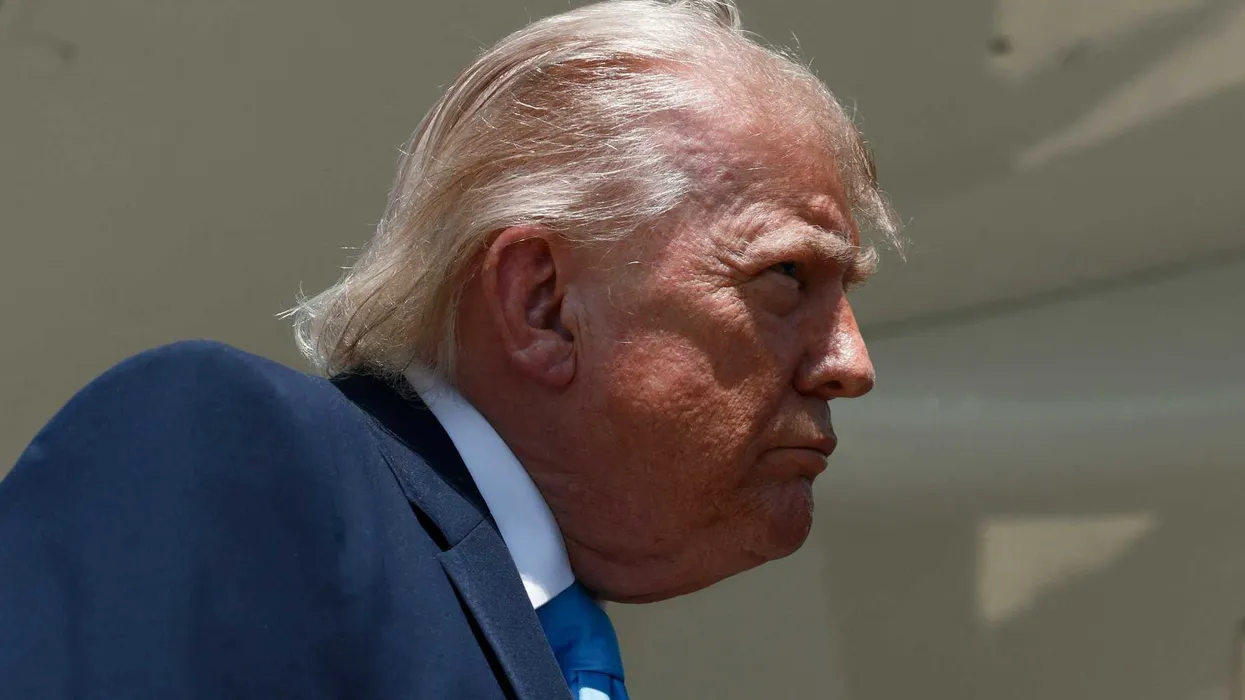
New York Times journalist Maggie Haberman — co-author of a book that exposed the Trump administration's inner secrets — offered a pointed assessment of President Donald Trump's physical and mental condition on Thursday, arguing that those around him are "not transparent about his health."
Haberman made the remarks during a conversation with former CNN White House correspondent Jim Acosta, who posed the question bluntly: "Maggie, do you think that he's all there?"
Haberman stressed that she is not a doctor, but asserted that "there's no question" Trump has unexplained "physical problems."
"The bruising on the hands has been going on for two years, maybe a little under," she said. "The answer that we've always gotten when we ask about it is that it's from handshaking… That's always been a little hard to understand. He takes a very large aspirin regimen. Aspirin can be used as a blood thinner, but he is taking a dose that, according to what I have read from experts, is quite large. There is the swelling of the ankles. There's the eye closure, which is either sleeping or transcendental meditation or God knows what."
She also pointed to episodes in court in which Trump appeared to fall asleep, noting that "other times he was just closing his eyes and seemed to be just sort of putting himself somewhere else."
Turning to the White House's handling of the president's medical information, Haberman said: "He's 80 and they are not transparent about his health. He had been taking more frequent trips to Walter Reed and they have released less and less information. He said that he was seen by 22 specialists. I don't even know who that could be. But these are all valid questions for a president."
Secrecy around presidential health is not without precedent. The severity of Woodrow Wilson's 1919 stroke was concealed from the public while his wife and physician controlled access to him, Franklin Roosevelt's declining health was downplayed during his 1944 re-election campaign — he died months into his fourth term — and John F. Kennedy's Addison's disease was publicly disputed during the 1960 race. No federal law requires a president to release medical records; disclosure has long rested on voluntary practice, including the modern custom of annual physicals at Walter Reed followed by a public summary from the White House physician.
Questions about Trump's fitness for office have mounted over the past year, driven by his frequent and secretive hospital visits, the swelling and bruising Haberman described, and a growing number of "red flags" concerning his behavior. Psychologists have suggested a possible "neurodegenerative disorder," and even a member of his family has raised the possibility of an "undiagnosed condition."
Trump, for his part, has claimed he is in excellent health because he has "very good genetics," and has repeatedly bragged about having "aced" a series of cognitive tests that are used for diagnosing dementia.
Public polling tells a different story, with 59 percent of Americans saying Trump lacks the mental sharpness to lead and 55 percent saying he lacks the physical fitness necessary for the job. Age has already upended one recent campaign: Joe Biden, 81, withdrew from the 2024 race in July 2024 after a debate performance that intensified public concern about his age and fitness, and scrutiny of candidates' age and stamina has remained a fixture of American politics since.
Haberman added that while she is in no position to offer a clinical diagnosis, "There's a legitimate conversation out there about whether 80-year-olds are wise to keep electing."
