Frustrated MAGA Loyalists May Sit Out the Midterms, Citing Iran War and Rising Costs
Key Takeaways
- •Interviews with nearly thirty voters indicate that some longtime Trump supporters may stay home in November, citing the Iran military campaign, rising prices, and unfulfilled campaign promises.
- •Individual former backers, including an 80-year-old Michigan retiree and a 24-year-old Texas graduate student, said they are reconsidering voting or plan to sit out the election entirely.
- •A September Times/Siena poll showed 61 percent of Democrats were almost certain to vote in November, compared with 56 percent of Republicans, a five-percentage-point gap in voting certainty.
- •Election analyst Charlie Cook argued potential Republican losses would come from disengaged GOP voters rather than defections to Democrats, describing the race as a 'red undertow' election rather than a blue wave.
- •Trump has urged supporters to treat the midterms as a presidential-level election and told Republicans to pretend he is on the ballot, but the interviews suggest the message is not resonating with some former backers.
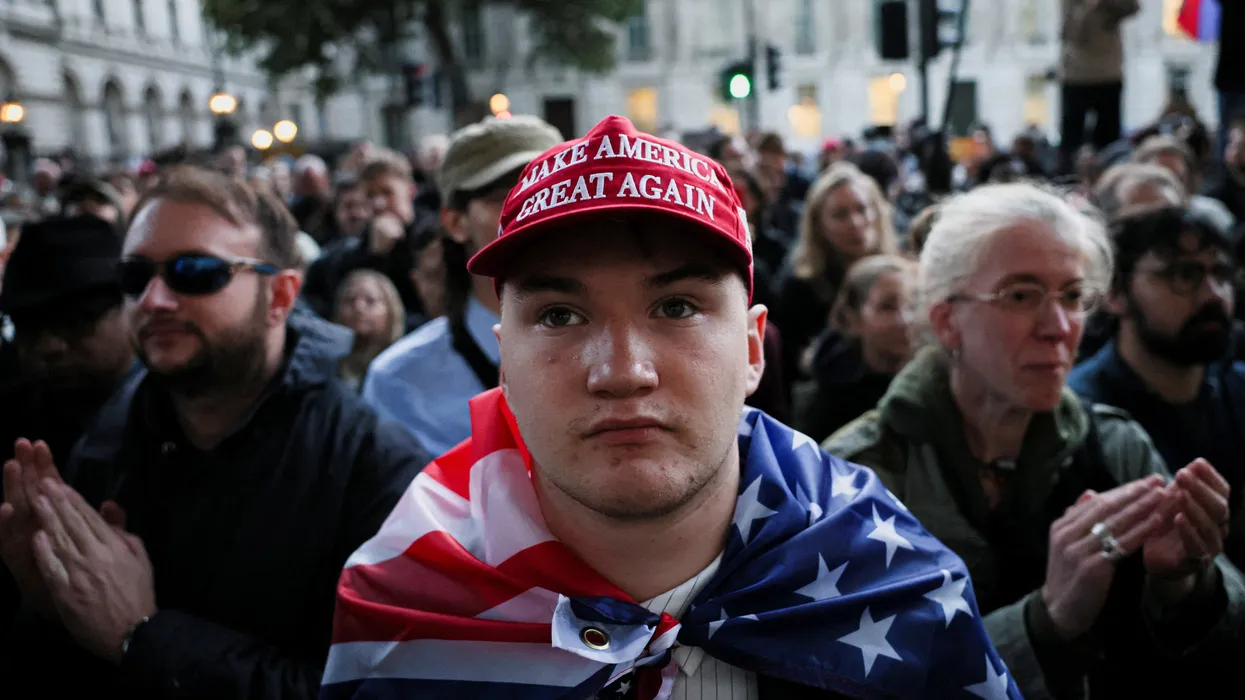
President Donald Trump could face an unexpected problem in November's midterm elections: some of his most devoted MAGA supporters have grown so frustrated with his administration that they are considering staying home on Election Day rather than casting ballots for the Republican Party.
Interviews conducted by The New York Times reveal deepening disillusionment among conservative voters Trump's military campaign against Iran, rising prices, and unfulfilled campaign promises have left even previously loyal supporters questioning whether it is worth voting at all. The newspaper spoke with nearly thirty voters, including residents of western Michigan, where Republican enthusiasm appears to be fading. The conversations point to an enthusiasm problem that could weigh on Republican turnout as the November elections approach.
Among them was Jim Pasek, an 80-year-old retired maintenance worker from Gobles who voted for Trump twice and is now frustrated with the president's decisions.
"He's not making sense," Pasek told the newspaper.
Pasek criticized Trump for launching a war after campaigning against entering new military conflicts. He also questioned why the president seemed more focused on construction projects at the White House than on rising fuel and household costs.
Brandon Tremaine, a 24-year-old graduate student in Texas who backed Trump in 2020, plans to sit out the election entirely.
"You do not campaign on being the ticket of peace," Tremaine said, faulting Trump's decision to launch the war against Iran.
Frustration extends beyond foreign policy. Warren Stewart, a 69-year-old conservative voter exasperated by the cost of living, described his expenses bluntly: "I just spent $60 on $30 worth of groceries and am about to go fill up for $5 a gallon," he said, adding, "It feels like they're stress-testing us."
Stewart said he would never vote for a Democrat but remains undecided about whether to support Republicans again.
The Times also spoke with Lindsay Kronemeyer, a conservative Christian mother who once knocked on doors for Trump and ran for the Michigan state House. She admitted she has paid little attention to this year's elections.
The discontent spans generations and state lines, reaching from Tremaine, a 24-year-old in Texas, to Pasek, an 80-year-old in Michigan. A lack of motivation among frustrated Republican voters could prove costly for the GOP in closely contested races. A September Times/Siena poll found that 61 percent of Democrats were almost certain to vote in November, compared with 56 percent of Republicans — a five-percentage-point gap in expressed certainty of voting.
Charlie Cook, a veteran election analyst, argued that Republican losses may stem from their own supporters growing disillusioned rather than from voters switching their support to the Democrats.
"I don't think this is a blue wave election. I think it's a red undertow election, where Republicans are getting sucked down. But I haven't seen any data whatsoever suggesting people are happy with the Democratic Party. None, zero. This is 100 percent about Trump," Cook said in Washington Monthly.
To counter the enthusiasm gap, Trump has urged his supporters to treat the midterms as another presidential-level election. He also told Republicans at their September convention to pretend that he was on the ballot.
The interviews, however, suggest the message may be falling flat: for some of Trump's former supporters, his presence on the political stage has become yet another reason to stay home.

