MACS Launches Plastic Procurement Toolkit for Shipping Industry
Key Takeaways
- •MACS has released procurement guides to help shipping companies reduce unnecessary plastic consumption before it enters vessel operations.
- •The toolkit was developed in alignment with the International Maritime Organization's marine litter reduction objectives under its 2030 action plan.
- •The guides address persistent industry challenges including inconsistent terminology, practical concerns about substitute materials, and fragmented demands placed on suppliers.
- •The initiative followed input from 53 participants across 28 organisations, including major shipping companies and ports such as Berge Bulk, DP World, and Pacific International Lines.
- •A public consultation period remains open until August 16, after which adoption will depend on voluntary uptake by individual companies and integration into existing procurement processes.
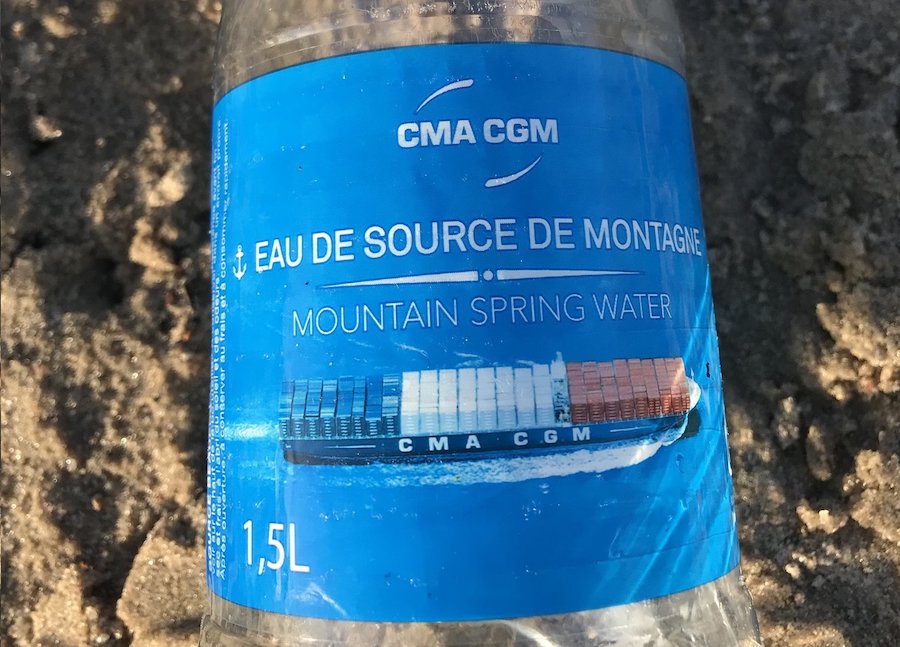
The Maritime Association for Clean Seas (MACS) has introduced a suite of procurement guides designed to help shipping companies reduce unnecessary plastic consumption before it enters vessel operations.
Developed by MACS' Sustainable Plastic Procurement Working Group, the toolkit aims to provide owners, managers, suppliers, and ports with a consistent approach to cutting plastics in alignment with the International Maritime Organization's marine litter objectives. The IMO, a United Nations specialized agency headquartered in London, has made the reduction of plastic marine litter a key priority under its 2030 action plan. That plan sits alongside broader global policy momentum, including ongoing UN negotiations toward an international plastics treaty, which are increasing pressure on maritime sectors to demonstrate measurable progress.
The initial publications from the working group include a comprehensive report, a maritime plastics taxonomy, phase-out pathways for priority plastics, and a decision-support framework for evaluating lower-plastic alternatives.
MACS identified three persistent industry challenges that the guides seek to address: inconsistent terminology across the sector, practical concerns regarding the safety, cost, and availability of substitute materials, and fragmented demands placed on suppliers by different shipping companies. Because shipping handles roughly 90 per cent of global trade, even marginal procurement changes across fleets can translate into substantial volumes of plastic avoided across the maritime supply chain.
"The most sustainable plastic is the plastic that is never used," said MACS director Oliver Kade. "These guides provide the industry with a clear framework for collaborative action."
The initiative follows working group meetings and a roundtable that brought together 53 participants from 28 organisations, including Berge Bulk, Pacific International Lines, X-Press Feeders, Bernhard Schulte Shipmanagement, DP World, Britoil, and Howden.
Michael Blanding, head of sustainability and communications at Berge Bulk, noted that inconsistent signals sent to suppliers remain among the biggest obstacles to translating plastic reduction targets into concrete action.
The guides are designed to facilitate procurement discussions, strengthen supplier engagement, and support internal decision-making, while fostering more standardised demand for alternative products and packaging throughout the maritime supply chain. By aligning terminology and evaluation criteria across buyers, the framework also aims to make it easier for suppliers to invest in lower-plastic product lines with clearer demand signals.
A public consultation period is open until August 16, with MACS inviting feedback from shipowners, managers, suppliers, ports, caterers, logistics providers, and industry associations before final versions are published. Following the consultation, adoption will depend on voluntary uptake by individual companies and integration into existing procurement and supplier-management processes.
This initiative represents the first of several MACS working groups dedicated to addressing plastics in the maritime sector. MACS was established to help maritime companies collaborate collectively toward the IMO's 2030 action plan on plastic marine litter.

