LX Semicon Begins Supplying Automotive Microcontroller to Hyundai Motor and Kia
Key Takeaways
- •LX Semicon has begun supplying its LX61101 automotive MCU to Hyundai Motor and Kia, representing the company's first product in the automotive semiconductor segment it has pursued since 2022.
- •The LX61101 is built on a 40MHz Arm Cortex-M3 core and is designed for real-time motor control in body electronics, including window safety systems and vehicle aerodynamics.
- •This deployment marks the first instance of Hyundai Motor and Kia integrating domestically manufactured MCUs into their vehicles.
- •The chip was produced through an end-to-end Korean supply chain and meets AEC-Q100 and ISO 26262 automotive reliability and safety standards.
- •The global automotive MCU market was valued at approximately 15.5 trillion won ($10.96 billion) last year.
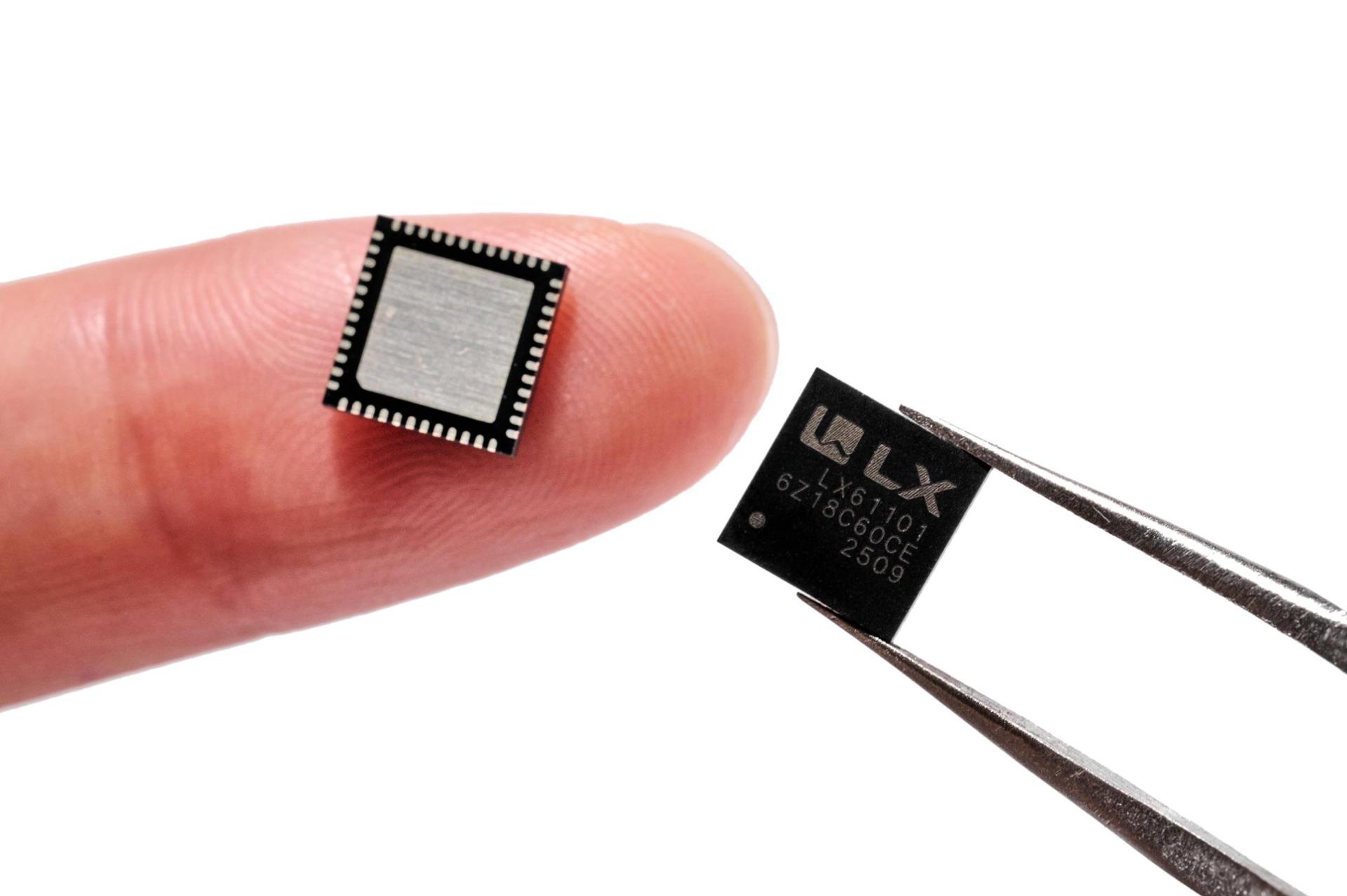
LX Semicon has commenced supplying its first automotive microcontroller unit (MCU) to Hyundai Motor and Kia, representing the first concrete milestone in the company's automotive semiconductor business and a notable step in South Korea's broader effort to build domestic capacity in a segment long dominated by foreign suppliers such as NXP Semiconductors, Renesas Electronics, and Infineon Technologies.
The company announced Monday that it has started mass production of the LX61101, an MCU designed specifically for motor control in automotive body electronics. The chips will be deployed first in vehicles that Hyundai Motor and Kia are scheduled to begin manufacturing in the second half of this year, with plans to gradually extend applications across a broader range of models.
Built on a 40-megahertz Arm Cortex-M3 core, the LX61101 delivers stable and precise motor control by monitoring speed, position, rotational direction, and torque in real time. Initial applications include vehicle window safety systems, which automatically reverse a closing window upon detecting an obstruction, as well as systems governing vehicle aerodynamics.
LX Semicon described the chip as its first tangible result in the automotive MCU sector, a new growth area the company has been cultivating since 2022 as part of a strategy to diversify beyond its traditional display-related chip portfolio. The push into automotive silicon takes on added significance as global automakers accelerate electrification and add increasingly electronic body, safety, and powertrain features, driving sustained demand for MCUs across vehicle platforms.
The deployment also represents the first instance of Hyundai Motor and Kia incorporating domestically manufactured MCUs into their vehicles. LX Semicon was selected as a new motor-control MCU supplier for the two automakers in 2023 and reached mass production of the LX61101 following three years of development and testing. The chip meets established automotive reliability and safety standards, including AEC-Q100 and ISO 26262.
According to the company, the LX61101 was produced through an end-to-end Korean supply chain encompassing semiconductor design, foundry manufacturing, and back-end processing, establishing a milestone for the domestic automotive semiconductor ecosystem. The achievement aligns with South Korea's national policy objective of reducing reliance on imported semiconductors in critical industries and strengthening the country's non-memory chip capabilities, an area where it has historically trailed its memory-dominated semiconductor sector.
"By fostering our automotive MCU business, LX Semicon will expand its product portfolio to include not only controllers but also chips for communications, motor drive, sensing and power management," an LX Semicon official said.
"Through automotive semiconductors, we will broaden the company's growth opportunities and contribute to expanding the foundations of Korea's automotive and semiconductor industries," the official added.
The global automotive MCU market was valued at approximately 15.5 trillion won ($10.96 billion) last year.

