Sen. Lummis Says CLARITY Act Concessions Should Satisfy Democrats as Opposition Persists
Key Takeaways
- •Sen. Cynthia Lummis accused Senate Democrats on October 17 of opposing the CLARITY Act despite a provision that holds crypto filers potentially personally liable for submitting false information to regulators.
- •Lummis cited the bill's large-trader reporting requirements and heightened oversight of digital commodity pool operators and trading advisers as concessions intended to address Democratic concerns.
- •The CLARITY Act stalled on September 15 after a procedural motion failed 50–49, short of the 60 votes required for advancement, leaving its future dependent on further bipartisan negotiation.
- •Democratic objections extend beyond the liability issue, with Sen. Mark Warner demanding stronger ethics safeguards and Sen. Elissa Slotkin questioning risks tied to Trump family crypto interests and potential money laundering.
- •The crypto-backed political group Fairshake disclosed approximately $7.15 million in media buys opposing former Sen. Sherrod Brown in Ohio, showing the legislative dispute's overlap with campaign politics.
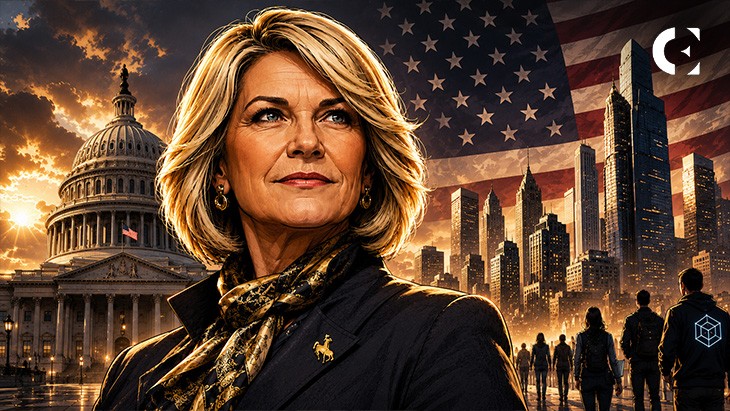
Sen. Cynthia Lummis publicly challenged Senate Democrats on October 17 over their continued opposition to the Digital Asset Market CLARITY Act, arguing that negotiations on the legislation had already resolved concerns the party previously raised.
The Wyoming Republican pointed to a provision holding crypto filers potentially personally liable for submitting false information to regulators, questioning why Democrats continued to vote against the market structure bill, which would establish a regulatory framework for digital asset trading in the United States.
In a post on X on October 17, Lummis wrote:
Democrats wanted crypto filers held personally liable for submitting false information to regulators— something the Clarity Act does. Any guesses how Democrats voted? That's right; they voted no.
— Senator Cynthia Lummis (@SenLummis) October 17, 2026
Lummis Points to Changes in the Bill
According to Lummis, the bill's large-trader reporting requirements would help regulators identify potential market manipulation, a point she made on October 16. In a separate post on October 15, she argued that the legislation also addressed calls for greater oversight of digital commodity pool operators and trading advisers.
Despite those concessions, the CLARITY Act stalled on September 15, when a procedural motion failed 50–49, falling short of the 60 votes needed to advance. Any renewed attempt to move the bill forward would again face that same 60-vote threshold, leaving its path dependent on further negotiation between the two parties.
Democrats Maintain Broader Concerns
Democratic objections extend beyond the liability question. Sen. Mark Warner has called for stronger ethics safeguards, while Sen. Elissa Slotkin has questioned the risks linked to Trump family crypto interests and potential money laundering.
The dispute has also spilled into election spending, a sign of how the legislative fight over market structure has intersected with campaign politics. Fairshake, a crypto-backed political group, reported approximately $7.15 million in media buys opposing former Sen. Sherrod Brown in Ohio, according to a recent filing.
Lummis did not identify the specific liability provision she referenced or explain the penalties it would carry. Her comments centered on concessions she believes should address Democratic objections, while broader disagreements over ethics and national security remain.

