Lummis Warns CLARITY Act Delay Could Push Crypto Market Structure Bill to 2030
Key Takeaways
- •Senator Cynthia Lummis said the CLARITY Act must pass in the current Congress or the next realistic chance for market structure legislation would come in 2030.
- •The Senate Banking Committee approved the Digital Asset Market Structure CLARITY Act by a 15-9 vote in May 2026.
- •The bill seeks to establish clearer legal classifications for digital assets and allocate regulatory authority between federal agencies.
- •Lummis released updated CLARITY Act text in July, calling the coming weeks the last realistic opportunity for years to complete the legislation.
- •She argued failure to pass the bill would sacrifice jobs, investment, and tax revenue, without providing specific estimates.
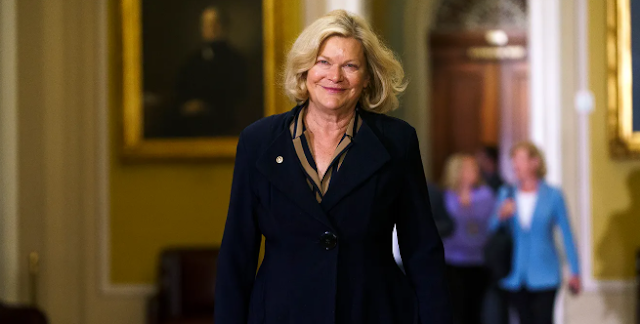
"If the Clarity Act doesn't pass this Congress, the next real opportunity to bring market structure legislation back up is 2030," Senator Cynthia Lummis said in a post on X, according to Cointelegraph.
The Wyoming Republican has been one of the leading congressional advocates for establishing a federal regulatory framework for digital assets, and her latest warning underscores the importance she places on completing the legislation during the current congressional session. Her reference to 2030 reflects how congressional calendars work: bills that do not become law before a Congress ends expire, and a failed effort would have to be reintroduced and rebuilt through the committee process in a later session, with a presidential election in between reshuffling congressional priorities.
CLARITY Act Faces Key Legislative Window
The CLARITY Act is designed to establish a clearer regulatory framework for digital assets in the United States, including rules defining the legal status of digital assets and allocating oversight responsibilities between federal regulators. For the crypto industry, that question of which agency controls what has been a longstanding source of friction, as enforcement actions and disputed token classifications have played out in courts while no comprehensive statute defined the boundaries.
The legislation has already advanced through the House and Senate committee process. In May 2026, the Senate Banking Committee approved the Digital Asset Market Structure CLARITY Act by a 15-9 vote, according to the committee.
Lummis has continued to push for the bill's advancement. In July, she released updated CLARITY Act text and said the coming weeks could represent the last realistic opportunity for years to complete the legislation. Her latest statement now places a specific year on the potential delay: 2030.
Market Structure Rules at the Center of Debate
The legislation addresses a central issue in U.S. cryptocurrency regulation: how digital assets should be classified and which federal agency should oversee different parts of the market.
Senate Banking Committee principles developed by Lummis and other lawmakers call for clearer statutory distinctions between digital asset securities and commodities, along with a defined allocation of authority among regulators. Those provisions are intended to replace uncertainty with rules established directly through legislation. The securities-commodities divide matters practically because it determines which regime — and which enforcement apparatus — applies to token offerings, trading platforms, and custody.
The broader market structure effort has involved negotiations among lawmakers, regulators, financial institutions, and digital asset industry participants. The current CLARITY Act process therefore represents the latest stage of a legislative effort that has been developing for several years.
Lummis Links Delay to Economic Costs
In her X post, Lummis also argued that failing to complete the legislation would mean sacrificing years of potential jobs, investment, and tax revenue. That assessment of the economic consequences of delay is Lummis's own rather than a quantified government forecast, and her statement did not provide specific estimates for how many jobs or how much investment or tax revenue could be affected.
The senator's warning comes as lawmakers continue working on a framework intended to provide clearer rules for digital asset markets. Lummis has previously said the United States needs comprehensive legislation to reduce regulatory uncertainty and maintain its position in financial innovation. That argument is often framed against other jurisdictions, such as the European Union's Markets in Crypto-Assets regulation, that have adopted comprehensive crypto rules earlier, giving firms in those markets a defined compliance framework while U.S. rules remain unsettled.
For now, the immediate question is whether the CLARITY Act can advance during the current Congress. If it does not, Lummis says the next real opportunity to revive market structure legislation would come in 2030.
