Practical Solutions to Revive London's Stock Exchange Listings
Key Takeaways
- •DCC Energy became the latest FTSE 100 company to be taken private, and reports indicate up to 20 FTSE 100 firms are considering relocating their listings to New York.
- •UK defined-benefit pension funds have reduced their domestic equity allocations from approximately 50 percent in the late 1990s to around 5 percent or less today.
- •Several major LSE-listed companies including Aviva, JD Sports, and Reckitt already access US investors through cross-trading, which allows trading in US dollars during US market hours while keeping liquidity anchored in London.
- •The UK's 0.5 percent stamp duty on share purchases is unusual among major markets, as neither the United States nor Germany imposes an equivalent transaction tax on equity trades.
- •Listing on a US exchange does not guarantee inclusion in the S&P 500, and US investors typically do not reward companies with higher valuations simply for relocating their listing.
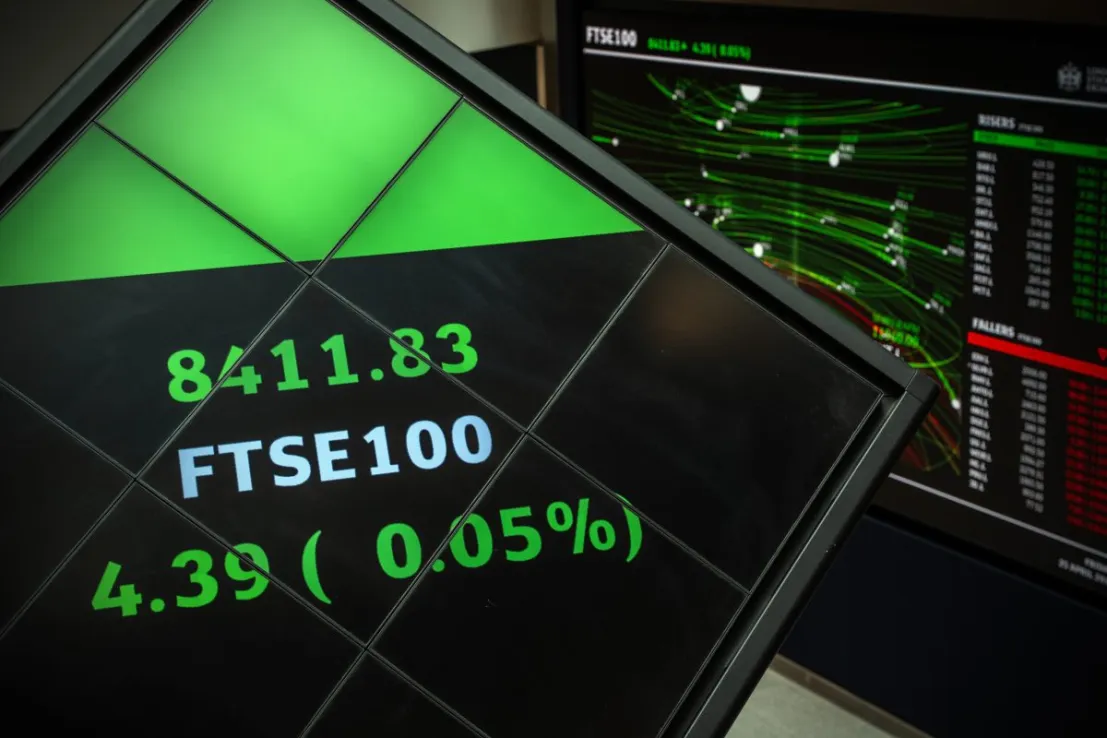
Jonathan Dickson argues that the exodus from the London Stock Exchange demands practical solutions rather than mere commentary.
This week, DCC Energy became the latest FTSE 100 group to be taken private, amid intensifying global competition for listings. Just last month, reports emerged that as many as 20 FTSE 100 companies are considering moving their direct listings to New York. The trend reflects a multi-year erosion: London has seen steadily declining IPO volumes and has fallen behind exchanges in New York, Paris, and Amsterdam by total equity market capitalisation.
There is no shortage of commentary diagnosing the departure from London and its consequences for the City's global standing and the wider UK economy. Capital and companies gravitate toward the markets where they are treated best, and the United States remains the world's largest capital market. The pressing question is how London can compete.
What is missing from the debate is a clear set of measures to reverse the decline. The goal should not be to force companies into choosing between London and New York, but rather to enhance benefits and dismantle barriers—allowing firms to retain their home listing while accessing the deep pools of capital the US offers. The measures outlined below would go a long way toward achieving that balance.
Rethinking Access to US Capital
The concern that more FTSE 100 companies could relocate their listings to New York rests on a false premise: that moving listings is the only way to tap the full breadth of US capital. In reality, many UK boards are overlooking an established route to connect with American investors.
LSE-listed entities including Aviva, JD Sports, Reckitt, and LSEG itself already access US investors through cross-trading, which enables American investors to trade these securities in US dollars during US market hours. This approach keeps liquidity, price discovery, and future capital raising firmly anchored in London.
Structural Reform
Structural fixes carry equal weight. The 0.5 per cent levy on shares and ADRs, which has stood for four decades, adds a tangible cost to trading that is ultimately borne by investors. The LSE is right to push for its abolition. As the principle goes: taxes on income and capital gains benefit when investors succeed, while transaction taxes stifle activity. (Read more on scrapping stamp duty on shares) The UK's stamp duty on share purchases is unusual among major markets—neither the United States nor Germany imposes an equivalent tax on equity transactions, placing London at a structural disadvantage.
Giving Citizens a Stake
The UK government must act swiftly to correct the policy of steering pension funds away from owning FTSE shares. UK defined-benefit pension funds held roughly half their assets in domestic equities in the late 1990s; that allocation has since fallen to around 5 per cent or less, starving British companies of a deep domestic shareholder base. The FTSE should also follow the example of US indexes by being open to companies with a UK nexus. Democracy and capitalism function more effectively when ordinary citizens hold a stake in the success of the nation's leading companies.
Entrusted with shareholders' savings, FTSE company boards must also compete globally for executive talent and remunerate top leaders accordingly—much like the world's elite footballers. Both operate under intense scrutiny, with every decision examined by the press and the public.
Educating Boards
Board education is equally essential. S&P 500 inclusion is reserved for America's largest companies, and listing on a US exchange does not automatically transform a British company into an American one. Companies conducting the bulk of their business outside the US will not benefit from the continuous capital inflows and share-premium effects associated with index inclusion—a distinction that is seldom made clear. US investors recognize this reality and typically do not reward companies with higher valuations simply for relocating their listing.
The Case for Staying in London
UK boards should also carefully weigh the positive case for maintaining a London listing. London-listed companies should expand their investor relations strategies to target US investors directly and benchmark their financial performance against the world's leading and most recognized companies.
American Depositary Receipts (ADRs) represent another critical cornerstone for any global company seeking a place in US investors' portfolios. ADRs are well understood by smaller institutions, including thousands of US family offices, and by retail investors who do not trade directly on the LSE. Nearly half of US household financial assets are invested directly in listed equities and listed funds.
There is also a strategic advantage to being a larger presence in a comparatively smaller market. Securities on the LSE are attracting renewed interest from US investors seeking diversification away from elevated tech valuations and concentration risk in the S&P 500.
Rather than lamenting London's decline, it is time to recognize the opportunities and embrace concrete solutions.
Jonathan Dickson is head of EMEA at OTC Markets Group, which operates over-the-counter markets facilitating cross-trading and ADR programmes for international issuers.

