London's IPO Drought Expected to Persist Into 2027
Key Takeaways
- •London has seen just seven IPOs raising a combined £557 million so far this year, representing a sharp decline from the listing surge observed in late 2024.
- •Flutter completed its New York Stock Exchange listing on Monday, reflecting a broader trend of companies seeking deeper capital pools and higher valuations outside London.
- •Established British companies including Schroders and Tate & Lyle have been acquired this year as private buyers exploited a persistent valuation gap where UK-listed firms trade at lower multiples than US and European peers.
- •Investment bank Peel Hunt attributed the market slowdown to geopolitical uncertainty and volatility, including the Middle East conflict and global technology selloffs, which have prompted companies to postpone public offerings.
- •New Prime Minister Andy Burnham and his team have not yet announced any policies aimed at addressing London's IPO market despite mounting pressure from industry and political figures to intervene.
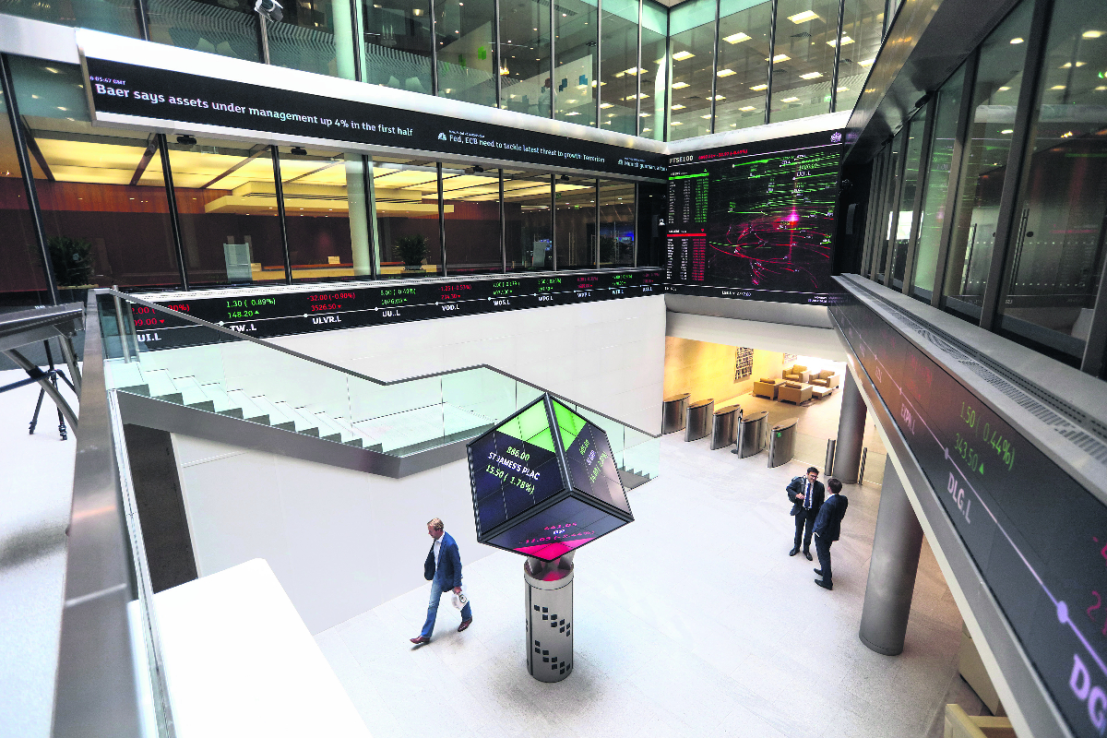
London's initial public offering market is forecast to stay subdued for the remainder of the year, with domestic and international political turmoil discouraging companies from listing.
The UK stock market has seen minimal IPO activity so far this year, with just seven new listings raising a combined £557m. That marks a sharp reversal from the surge observed late last year, when British bank Shawbrook and tinned tuna producer Princes Group were among the notable names entering the market.
In contrast to the listing drought, the FTSE has experienced a wave of takeover activity since the start of the year. Established names including Schroders and Tate & Lyle have been acquired, as private buyers moved to capitalise on the UK's valuation gap — a persistent feature of the London market where British-listed companies have traded at lower multiples than their US and European peers, making them attractive targets for acquisitive buyers even as it discourages new issuers from floating.
Some companies have opted to list elsewhere altogether. Gambling group Flutter completed its listing on the New York Stock Exchange on Monday, having announced in June that it planned to leave London behind. Flutter's move reflects a broader pattern in which companies seeking deeper capital pools and higher valuations have increasingly looked to New York, compounding the competitive pressure on London from exchanges in Amsterdam and Paris that have gained European listing market share in recent years.
Investment bank Peel Hunt attributed the market's imbalanced state to volatility and geopolitical uncertainty, citing the conflict in the Middle East and global technology selloffs as factors prompting companies to postpone going public.
Analysts expect a modest pickup in the second half of the year but concede that many firms weighing a listing may delay even longer.
"IPO timetables had been pushed back to post summer for some time now, so the recent lack of activity is not a surprise," Peel Hunt wrote in a research note.
"The big question…waiting to be answered was how many of these deals were going to come post summer or alternatively be pushed back into 2027."
All Eyes on Burnham
As the second half of the year gets underway, companies considering going public are looking to new Prime Minister Andy Burnham for direction.
Burnham and his team — including City minister Lucy Rigby and Chancellor John Healey — have yet to announce any new policies regarding London's IPO market, despite mounting pressure on the government to intervene and reverse the sluggish start to the year.
Industry and political figures alike are urging ministers to act, accusing the financial watchdog of devoting insufficient attention to the structural problems afflicting London's market, including shrinking domestic equity ownership as UK pension funds have steadily reduced allocations to British stocks over the past two decades.
Peel Hunt noted that uncertainty surrounding Burnham's market policy "has led many potential issuers to re-evaluate their timetables," pushing prospective listings further into next year.
The bank also asserted that there remains "a number of high quality" companies in the UK pipeline, though many in the industry dispute this optimism, as blockbuster IPOs have grown exceedingly rare.
Food delivery company Deliveroo was the last major example, floating at a valuation of £7.9bn in 2021 before being sold to US rival DoorDash four years later following a turbulent stint as a public company.
This year's largest listing came from the sovereign wealth fund of Uzbekistan, which raised £1.4bn in May.

