Lloyds Set to Capture Most of £4bn Prize from Bank of England Capital Shake-Up
Key Takeaways
- •The Bank of England's proposed capital requirement cuts are expected to release around £4bn for UK banks, with Lloyds set to receive roughly £1bn—the largest single allocation, per RBC analysis.
- •Capital requirements for domestically focused lenders such as Lloyds and NatWest would fall by 60 basis points, meaning banks would hold about 13p of capital per £1 of risk-weighted lending.
- •Combined with earlier leverage reforms, the changes could translate into approximately £175bn of theoretical lending capacity, though this represents a ceiling rather than a commitment.
- •Shares in NatWest and Lloyds rose around three per cent on the announcement, and the Bank will consult on the proposals in the first half of 2027.
- •The Financial Policy Committee warned that further reductions in capital requirements beyond this package could risk financial instability and harm long-term economic growth.
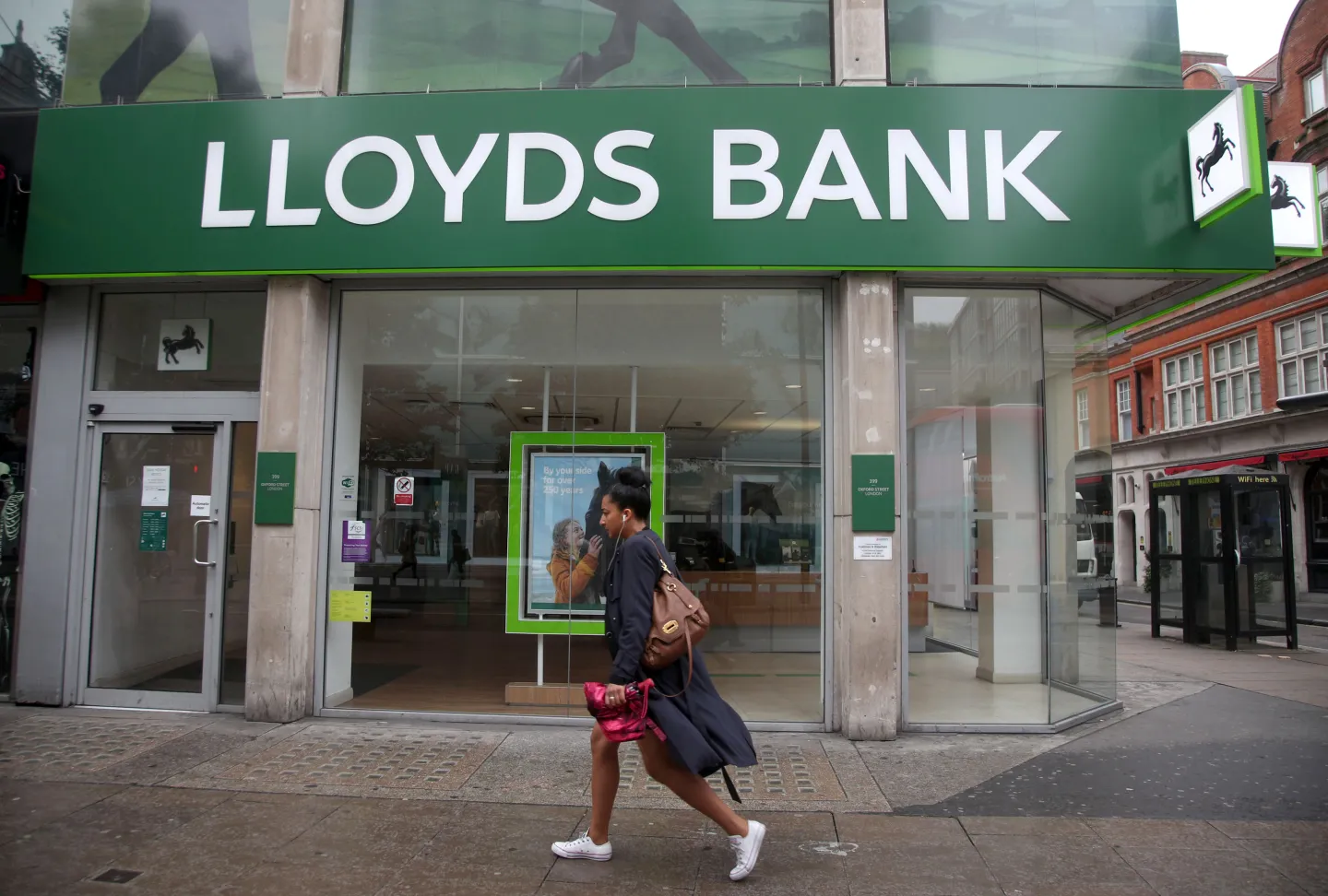
Lloyds Banking Group looks set to walk away with the biggest slice of a multi-billion-pound regulatory windfall after the Bank of England proposed cutting capital requirements for Britain's domestic lenders.
UK banks are expected to collect around £4bn in freed-up capital headroom under the shake-up, roughly £1bn of which will flow straight to Lloyds, according to RBC analysis. The outsized allocation reflects the lender's deep concentration in the UK economy — Lloyds is the country's largest mortgage lender — precisely the domestically focused profile the reforms reward most.
The proposed relief favours domestically focused lenders, which will receive larger reductions, with capital requirements at the likes of NatWest and Lloyds falling by 60 basis points, or 0.6 percentage points.
Capital requirements are the financial buffers regulators force banks to hold in reserve to absorb unexpected losses during an economic downturn. The funds cannot otherwise be lent out or returned to shareholders.
Under the proposals, banks will need to hold only around 13p of capital against every £1 of risk-weighted lending. According to the Bank of England, the £4bn release – combined with earlier leverage reforms – multiplies into roughly £175bn in theoretical lending firepower, a ceiling rather than a commitment given that banks are free to set their own response.
“The FPC has assessed the calibration of domestic risk add-ons and decided they are too punitive,” Jefferies analysts wrote.
Even so, the reduction still falls short of the £250bn that trade body UK Finance lobbied for under a raft of reforms. The Bank will consult on the changes in the first half of 2027, leaving the final calibration open until the process concludes.
Bank governor 'recoils' at lending complaints
The proposals follow a long-standing lobbying campaign by the industry, which urged Threadneedle Street to lower the capital burden in order to spur economic growth.
“The picture is one, which I believe, is overly risk-averse and internationally uncompetitive,” UK Finance boss David Postings told a City audience earlier this year. He added that the system was “overly complex”, with buffers that “overlap and confuse”.
The central bank's Financial Policy Committee (FPC) said the proposals would make capital requirements “more proportionate, better targeted and – as a result – lower”. It added: “These measures will free up further capacity to lend to UK households and businesses”.
Bank governor Andrew Bailey confirmed, however, that “it is for the banks to decide how they respond to these changes”.
Shares in NatWest and Lloyds popped around three per cent in the trading session in which the Bank revealed the update.
The FPC also fired a warning shot at any future lobbying offensive, cautioning that further reductions in capital requirements would “risk financial instability” and “put long-term economic growth at risk”.
“I do recoil when I hear it said that banks can't afford to lend,” Bailey told reporters following the FPC's publication, pointing to a rise in lending even as banks made bumper returns over the last year.

