U.S. Lithium Miners Finally Have a Shot at Cashing In
Key Takeaways
- •The IEA says lithium supply is highly concentrated, with most refined material coming from China, Chile, and Argentina.
- •Major lithium producers, including Tianqi Lithium and Ganfeng Lithium, reported their strongest profit margins in three years in the first half of 2026.
- •China’s lithium spot price rose 22% in the first half as energy storage demand increased from data centers and renewable power.
- •LG Energy Solution signed a 10-year deal to buy 8,000 tons of battery-grade lithium carbonate annually from Smackover Lithium starting in 2029.
- •UBS and Jefferies both warned that faster supply growth could outpace demand later in the decade, increasing the risk of volatility.
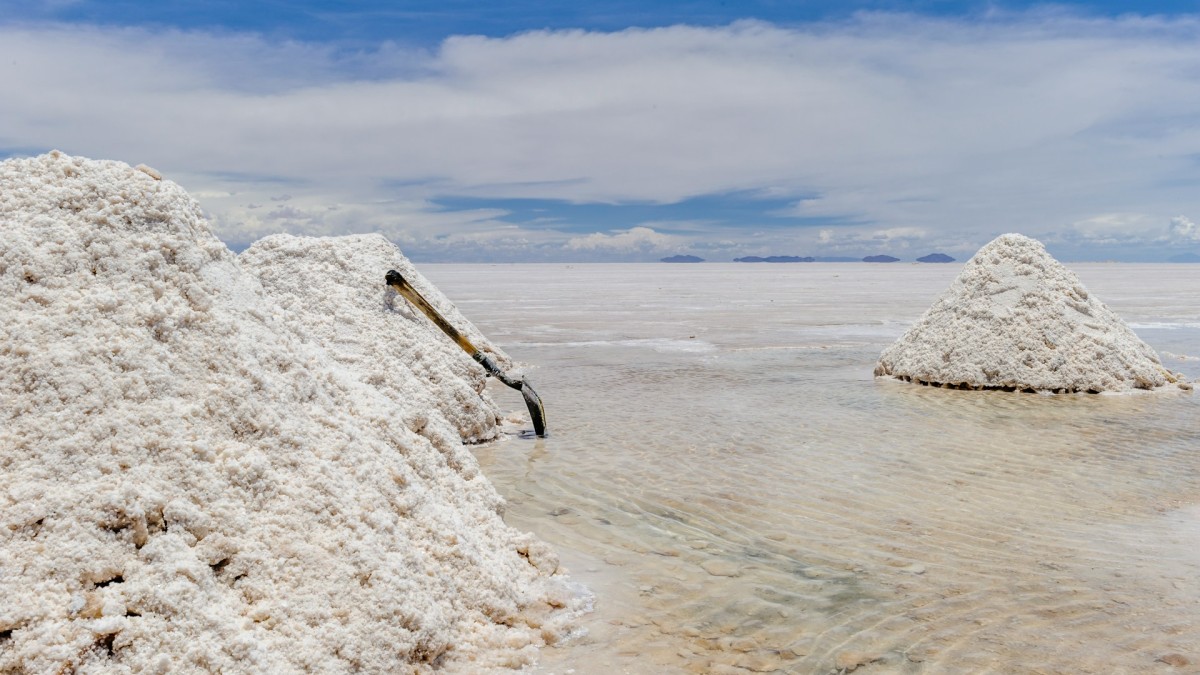
After years of volatile markets, lithium prices are surging, and everyone wants a piece. As the battery storage sector expands globally, lithium spot prices are posting a major windfall, with mining companies reporting substantial profits. As a result, lithium asset dealmaking is also increasing and could soon, at long last, put the United States on the map as a key supplier of the “white gold.”
The International Energy Agency (IEA) classifies lithium at the highest level of supply risk and price volatility. That is largely because the vast majority, 85 percent, of the world’s refined lithium comes from just three countries: China, which controls 57 percent of global lithium refining capacity, Chile at 15 percent, and Argentina at 13 percent. In addition, 68 percent of the world’s raw lithium supply is concentrated in just three countries: Australia at 33 percent, China at 23 percent, and Chile at 12 percent. As a result, the IEA gives lithium a three out of five rating on the geopolitical risk scale and a three out of five on the ESG and climate risk exposure scale, noting that half of the world’s lithium mines are located in high, very high, and arid regions.
On top of these structural issues, the countries that dominate lithium supply chains have rapidly expanded capacity in recent years, outpacing demand and flooding global markets. It is therefore no surprise that lithium markets have been volatile and relatively unattractive to new ventures over the past few years. While many countries would benefit from building domestic lithium supply chains or diversifying sources, the economics have been a major deterrent for would-be investors.
Those conditions are beginning to change. In the first half of 2026, major lithium producers posted bumper profits. Tianqi Lithium Corp. and Ganfeng Lithium Group Co., two of China’s leading lithium suppliers, each reported their strongest profit margins in three years. Bloomberg also reported that lithium companies from China to Australia to the United States expect prices to remain strong in the coming months and even years.
“China’s globally-watched spot price for the battery material surged 22% over the first half as energy storage emerged as a meaningful demand source due to the growth of data centers and renewable power,” the August Bloomberg report stated.
Even so, lithium remains a risky business. “Lithium feasibility study price assumptions show extreme divergence from volatile spot market prices, with analysis of 180 studies revealing that average 2025 assumptions are more than double the spot price,” S&P Global reported last month. “This gap, driven by anchoring to past highs and forward-looking incentive pricing, creates significant valuation risk for mining projects, a stark contrast to the more stable assumptions seen in copper and gold studies.”
Still, with lithium prices projected to remain firm in the near term, the timing may be ideal for U.S. firms to establish a critical foothold in global lithium supply chains. The world’s largest economy has been trying for years to build and reshore domestic lithium supply chains, but the market’s volatile economics have made that difficult. That challenge helps explain why project financing, offtake agreements, and long lead times matter so much in this sector: even when demand is improving, miners still have to line up customers and withstand price swings before new supply reaches the market.
The United States has significant lithium deposits and continues to uncover major new resources, particularly in Nevada, Arkansas, and Appalachia. The large Smackover formation in Arkansas is home to one of the newest and largest lithium deals in the sector. Just this week, battery giant LG Energy Solution Ltd. signed a decade-long agreement to buy 8,000 tons of battery-grade lithium carbonate annually from Smackover Lithium starting in 2029.
The deal marks a major win for the Trump administration, which has pushed to expand domestic lithium supplies and reduce reliance on foreign markets. It also shows how downstream buyers are beginning to secure long-term access to U.S. supply before new projects come online. However, it remains unclear whether lithium startups will deliver a return on investment, since long-term spot price forecasts still point to continued volatility.
“Further out, we do now see faster supply growth than demand from 2027,” UBS analysts wrote in an August 24 note. Jefferies analysts took a similarly cautious view: “Supply expansions/restarts are happening, but since it takes some time to hit the market, it is something we worry less about in second-half 2026 than in 2027,” the firm said in a separate August note. “However, expectations might walk ahead of the spot market.”
By Haley Zaremba for Oilprice.com
More Top Reads From Oilprice.com
U.S. Energy Storage Capacity Installations Hit Record High in Q2
Asia Spot LNG Prices Hit 5-Month High as Hormuz Blockage Drags On
U.S.-Iran Strikes Put $100 Oil Back in Focus

