Bessent Says Strait of Hormuz Could Be Bypassed Within Two Years
Key Takeaways
- •Bessent said the Strait of Hormuz could be bypassed within two years and described the route as losing its strategic importance in that period.
- •Saudi Arabia used its East-West pipeline and the port of Yanbu to move about 7 million barrels per day during the Hormuz shutdown.
- •ADNOC plans to expand export capacity through Fujairah from 1.8 million barrels per day to 3.6 million barrels per day, with the project expected in 2027.
- •Iraq is considering several alternatives, including a proposed Syria-to-Mediterranean pipeline that could cost at least $15 billion and take four years to build.
- •Two tankers leaving Hormuz were struck by projectiles on Monday, reinforcing concerns about the security of the chokepoint while alternative routes are still being developed.
Treasury Secretary Scott Bessent said Gulf oil producers could bypass the Strait of Hormuz within two years, assigning an unusually short timetable to a pipeline buildout that has accelerated after the Iran war disrupted one of the world’s busiest oil routes. The remarks point to a broader shift in how exporters and their partners are weighing supply security: routes that once served as backup options are now being expanded with public funding, planning, and capacity targets.
"That will be bypassed in two years," Bessent said Tuesday during a discussion with Larry Kudlow at the G20 financial meetings in Asheville, North Carolina. He went further, saying "the Strait of Hormuz will be like a worthless piece of water" within that timeframe.
Gulf producers are already directing capital toward that goal.
Saudi Arabia moved roughly 7 million barrels per day through its East-West pipeline to the Red Sea during the Hormuz shutdown, using Yanbu as an alternative export point. The route gave Saudi crude a way around Hormuz, although tanker traffic through the Red Sea later faced its own complications from Houthi attacks near Bab el-Mandeb.
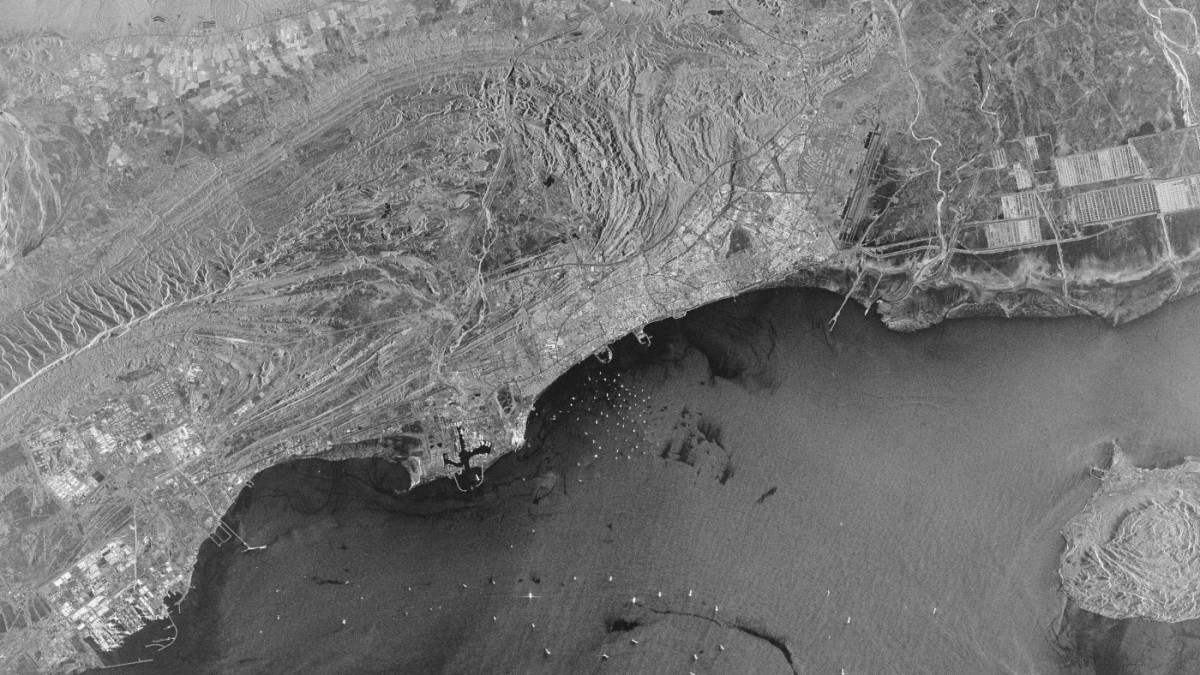
The United Arab Emirates has a more direct workaround. ADNOC plans to build its West-East 1 Pipeline and double oil export capacity through Fujairah, which lies outside Hormuz, from 1.8 million barrels per day to 3.6 million barrels per day. The project is expected to come online in 2027.
Iraq is also pursuing several alternatives. A proposed pipeline through Syria to the Mediterranean could cost at least $15 billion and take four years to build. Iraqi officials are also discussing repairs to an older Syria pipeline and higher shipments through the Kirkuk-Ceyhan system into Turkey. Kuwait has discussed linking its oil infrastructure with Saudi Arabia and the UAE, which would give its crude access to Fujairah or Red Sea ports. Japan, which is heavily dependent on Middle Eastern crude, has agreed to participate financially in Gulf pipeline projects.
The case for bypass capacity was reinforced Monday, when two tankers attempting to leave Hormuz were struck by projectiles, according to maritime security consultant Marisks, after another exchange of strikes between Iran and the United States. For oil exporters and importers alike, that makes the pace of alternative route construction more relevant because Hormuz remains a critical chokepoint while these projects are still being built and connected.
Bessent’s two-year forecast would require several of these projects to advance quickly. The investment already underway suggests Gulf producers are no longer treating Hormuz bypass capacity as a contingency plan. They are building it into the export system.
By Julianne Geiger for Oilprice.com
