Lighter Burns 2,452,017 LIT Tokens to Match Q3 2026 Buyback Total
Key Takeaways
- •Lighter burned 2,452,017 LIT tokens, matching the full cumulative amount repurchased through its programmatic buyback by the September 30, 2026 cutoff.
- •The burn permanently removes the tokens from circulation, whereas a buyback alone only transfers token ownership to the purchasing project.
- •Because burn transactions are recorded on public blockchains, outside observers can independently verify that the tokens were sent to unrecoverable addresses.
- •The announcement did not disclose the total funds spent on the buybacks or the average price paid per LIT token.
- •Token burns can affect supply dynamics if demand remains steady, but they do not automatically lead to a price increase.
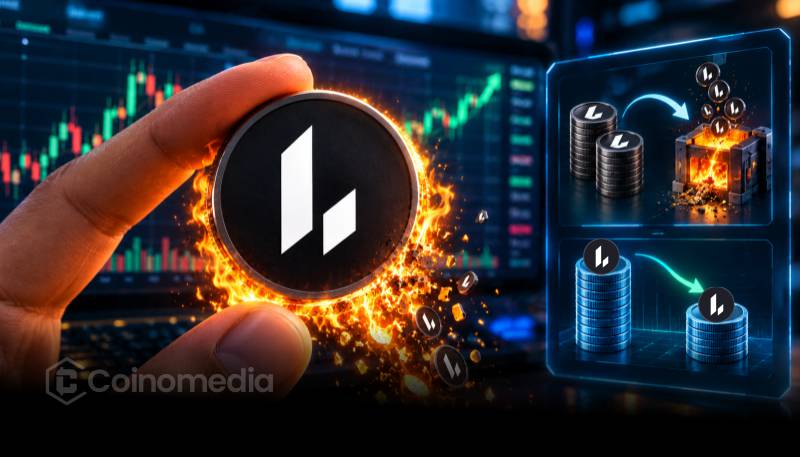
Lighter has burned 2,452,017 LIT tokens, permanently removing from circulation an amount that exactly matches the total repurchased through its programmatic buyback initiative by the end of the third quarter of 2026.
The move ties the platform's token repurchase activity to a permanent reduction in supply, underscoring the project's broader token management strategy as of the September 30, 2026, cutoff for the program.
Burn Matches Full Q3 Repurchase Total
The burn covers precisely 2,452,017 LIT, equal to the cumulative number of tokens bought back through the programmatic initiative as of the end of Q3 2026. Under a buyback program, a project purchases its own tokens from the market. Those tokens can subsequently be held, redistributed, or permanently removed from circulation. In Lighter's case, the reported burn matches the full repurchase total, linking the two activities rather than leaving the acquired tokens in the project's possession.
Token burning involves permanently taking cryptocurrency tokens out of the usable supply, typically by sending them to an address from which they cannot be recovered. Because burn transactions are recorded on public blockchains, outside observers can independently verify when tokens have been moved to such unrecoverable addresses. The process differs from a buyback alone: a repurchase transfers tokens from sellers to the purchasing entity, while a burn eliminates those tokens from circulation altogether.
Buyback-and-burn mechanisms are a common supply management approach in the cryptocurrency industry, allowing projects to reduce the number of tokens in circulation over time rather than holding or redistributing repurchased tokens.
The announcement does not specify the total funds spent on the buybacks or the average price paid per LIT token. The reported figure measures the number of tokens involved, not the dollar value of the underlying transactions.
News of the burn was flagged in an update shared by Cointelegraph on X on October 12, 2026:
UPDATE: Lighter burns 2,452,017 LIT, matching the total tokens repurchased through its programmatic buyback by the end of Q3 2026. pic.twitter.com/YQdjq48pWg
— Cointelegraph (@Cointelegraph) October 12, 2026
Primary source: Cointelegraph on X
What the LIT Token Burn Means for Supply
Assuming the reported burn has permanently removed the tokens, the action reduces the number of LIT available within the broader supply. Token burns are often closely watched by cryptocurrency investors because they can affect supply dynamics. If demand remains steady while available supply decreases, that may influence market conditions. However, a burn does not automatically lead to a price increase.
LIT's future performance will depend on several factors, including trading demand, market sentiment, token distribution, and overall market conditions.
The distinction between repurchases and burns is also important when evaluating a project's tokenomics. A buyback moves tokens from market sellers to the purchasing entity; only a burn shrinks the usable supply. For Lighter, the latest figures establish a clear connection between its buyback activity and supply reduction.
With 2,452,017 LIT tokens repurchased and an equal amount burned by the end of Q3 2026, the project has reached a notable milestone in its token management program. The disclosed figures cover buybacks only through the September 30, 2026 cutoff, so whether future repurchase cycles are matched by comparable burns, and whether spending details are later provided, are details observers of the program can track as it continues.

