Drone Strikes Threaten Libya's Zawiya Oil Refinery and Export Operations
Key Takeaways
- •Libya's National Oil Corporation has warned it may declare force majeure if drone attacks on the Zawiya oil complex continue, which would legally allow the company to suspend its delivery and export commitments.
- •The 120,000-barrel-per-day Zawiya refinery is Libya's largest operating refinery and is directly connected to the 300,000-barrel-per-day Sharara oilfield, one of the country's most important crude-producing assets.
- •Since Saturday, drone strikes have hit multiple targets including a naphtha tank, a gasoline storage tank containing approximately 4.5 million litres that subsequently collapsed, pipeline infrastructure, and the city's power plant.
- •All fires caused by the strikes were fully extinguished by late Tuesday, and no group has claimed responsibility for the coordinated attacks.
- •Any prolonged disruption at the Zawiya complex could impact Mediterranean crude and refined product supplies, as the facility functions as both a refinery and an export terminal serving European markets.
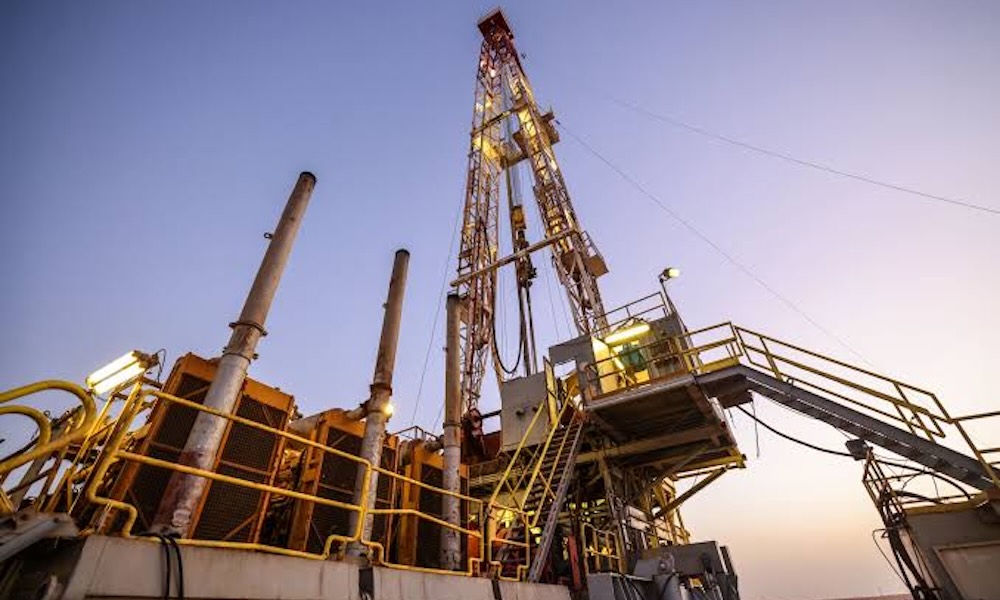
An escalating drone campaign targeting Libya's most critical western oil complex is jeopardizing both refinery operations and export activity, with the National Oil Corporation (NOC) cautioning that it may declare force majeure if the attacks persist. A force majeure declaration would allow NOC to legally suspend its delivery and export commitments, a measure the state-owned company has resorted to in past disruptions as prolonged shutdowns have at various points removed hundreds of thousands of barrels per day of Libyan crude from global markets.
Since the weekend, a series of drones has struck energy infrastructure in and around Zawiya, located roughly 40 km west of Tripoli. The targets have included the refinery complex, fuel storage facilities, and the city's power infrastructure. The use of drone strikes against Libyan infrastructure reflects a tactic that became increasingly prevalent during the country's civil conflicts, with both domestic and externally supplied unmanned aerial systems deployed by various factions since the 2019–2020 battle for Tripoli.
NOC warned that sustained attacks could force a full shutdown of the 120,000-barrel-per-day Zawiya refinery and prompt a force majeure declaration. The facility is Libya's largest operating refinery and is linked to the major 300,000-barrel-per-day Sharara oilfield, one of the country's single largest crude-producing assets. Sharara itself has been repeatedly forced offline by armed blockades and political disputes since the 2011 overthrow of Muammar Gaddafi, making the corridor from field to terminal one of the most chronically vulnerable in Libya's energy sector.
The wave of strikes began on Saturday when a drone crashed into an untreated naphtha tank, causing a leak that workers were able to contain. A subsequent attack hit a gasoline storage tank containing approximately 4.5 million litres of fuel, sparking a major fire that ultimately caused the tank to collapse.
Additional drone strikes followed. NOC reported another hit near an oil tank and pipeline network serving a blending and filling facility. Further attacks on Tuesday targeted the city's power plant and the refinery area. The company declared a state of maximum emergency as firefighters worked to bring the blazes under control. By late Tuesday, the fires had been fully extinguished. No group has claimed responsibility for the attacks.
The significance of Zawiya extends well beyond Libya's domestic fuel supply. The complex comprises both a refinery and an export terminal, situated at the terminus of infrastructure serving the country's productive western oilfields. Any prolonged disruption could therefore pose challenges for Mediterranean crude and refined product trades, where Libyan shipments are a regular source of supply for European refiners.
Refinery operations have continued thus far, but NOC's force majeure warning marks a notable escalation.
Libya's oil sector has weathered years of blockades, militia-related disputes, and politically motivated shutdowns across competing eastern and western authorities. The emergence of repeated drone strikes introduces yet another layer of risk to an export system that has seldom experienced extended periods of stability.

