LG CNS Launches KITL Blockchain Infrastructure Platform for Financial Institutions
Key Takeaways
- •LG CNS launched KITL on Oct. 6 as a shared blockchain infrastructure platform that enables financial institutions to build digital asset services while the company provides technology without issuing assets or holding customer funds.
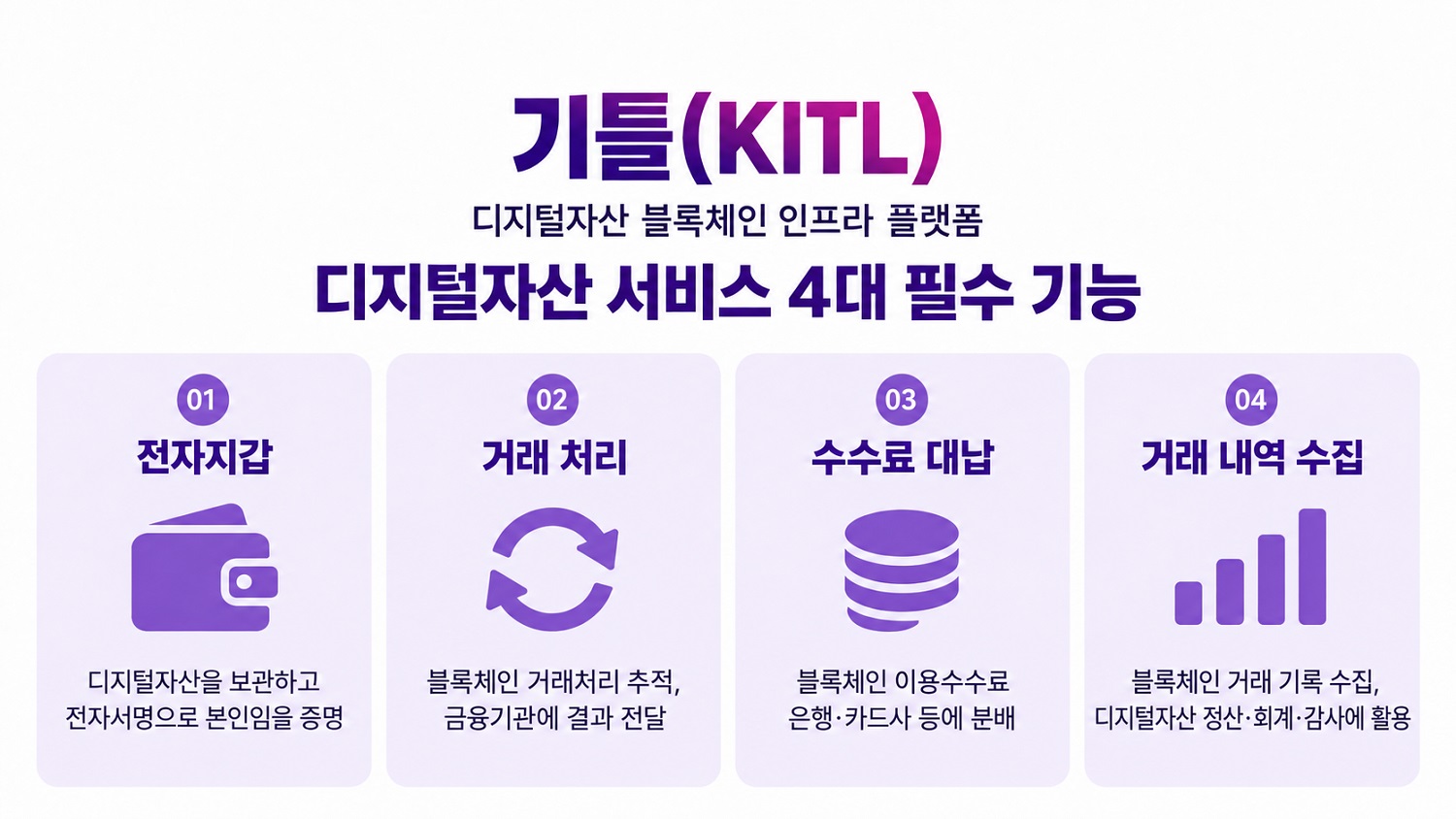
- •The platform offers four core functions — electronic wallets, transaction processing, commission payments and transaction detail collection — including patented wallet technology that generates private keys only at the moment of signing and can issue wallets to tens of millions of customers.
- •KITL's technology was verified through the Bank of Korea's Project Han River demonstration, in which seven banks opened about 81,000 electronic wallets and converted roughly 1.64 billion won of deposits into deposit tokens.
- •LG CNS signed business agreements with Circle, Securitize, Canton Foundation, Chainalysis and Chainlink to combine their technologies for tokenization, institutional blockchain connections, abnormal transaction monitoring and regulatory response.
- •The company sees business-to-business stablecoin payments, programmable payments and AI-agent-initiated transactions as potential applications, though such services are not currently operating through KITL.
South Korean IT services firm LG CNS has launched KITL, a blockchain infrastructure platform designed to help financial institutions build digital asset services. According to a report by Maeil Business Newspaper, the company said the platform supports work involving stablecoins, token securities and real-world linked assets, while LG CNS provides the technology rather than issuing assets or holding customer funds.
Announced on Oct. 6, KITL offers a common set of functions for banks, securities firms, credit card companies and payment companies. LG CNS also plans system integration projects tailored to each financial institution's existing systems, allowing firms to connect digital asset operations with their current financial workflows.
Four Core Functions for Digital Asset Operations
KITL combines four capabilities: electronic wallets, transaction processing, commission payments and transaction detail collection. LG CNS said financial institutions need dedicated infrastructure because digital assets can trade on public blockchains outside their own systems. Such infrastructure can store assets, track transaction results and reflect activity within existing financial work.
The electronic wallet serves as an account for storing digital assets and signing transactions. According to LG CNS, its design generates private keys inside hardware security equipment at the moment a signature is required, then uses and discards them rather than keeping them stored continuously. The company has completed patent registration for technology it says can issue wallets to tens of millions of customers without continually expanding the equipment.
LG CNS added that the technology was verified through the Bank of Korea's digital currency demonstration project, Project Han River. Seven banks took part in the project's first actual transaction demonstration, in which about 81,000 electronic wallets were opened and roughly 1.64 billion won was converted from deposits into deposit tokens. The company said it incorporated operational requirements identified during the demonstration into KITL.
A Shared Foundation Across Assets and Blockchains
LG CNS describes KITL as a common system that can support different digital assets and blockchains. The company said financial institutions could use the platform as they move among deposit tokens, stablecoins and token securities, or as they extend projects from Ethereum to other blockchains such as Solana. Those categories work differently under the hood: deposit tokens, as used in the Han River demonstration, represent bank deposits in tokenized form, stablecoins are designed to track the value of a reference asset such as fiat currency, and token securities put traditional instruments such as stocks and bonds on blockchain rails.
An LG CNS official said the platform's role extends beyond wallet functions. It connects to existing financial systems so institutions can issue digital assets and operate distribution, settlement and audit processes as services. The company expects this shared foundation to reduce the need to build related infrastructure from scratch for each new project. KITL is aimed at the institutional systems behind such services, according to LG CNS.
Business Payments and Partnerships
LG CNS sees business-to-business transactions as a possible early use case for stablecoins. It identified payments and settlement between companies, transfers between affiliates, immediate merchant settlement, conditional payments and automatic refunds as potential applications. It also plans to expand toward programmable payments and transactions in which AI agents request payments within their authorized scope.
Those plans remain a view of potential uses; LG CNS has not said that such services are already operating through KITL. Its stated next step is to provide infrastructure and work with global blockchain companies as financial institutions develop digital asset services. In practice, the next signal will be whether the institution-specific integrations LG CNS has outlined move from plans to live services.
The company has signed business agreements with five organizations: Circle, the issuer of the USDC stablecoin; Securitize, a platform for tokenizing traditional assets; Canton Foundation, which supports the Canton Network built for institutional uses; Chainalysis, a blockchain analytics firm; and Chainlink, which develops infrastructure connecting blockchains to external data and systems. LG CNS said it plans to combine their technologies with KITL for tokenization, institutional blockchain connections, abnormal transaction monitoring and regulatory response.
Kim Hong-geun, head of LG CNS' digital business division, said the company aims to provide infrastructure and global partnerships together so financial institutions can start services as soon as their systems are implemented.
LG CNS does not directly issue virtual assets or store customers' assets through KITL. Its announced role is to provide the platform and build additional systems for financial institutions pursuing those services.

