Conservative Legal Experts Join Chorus Calling Senate Deal with AG Nominee Todd Blanche 'Inexcusable'
Key Takeaways
- •Senators Tillis and Cornyn announced an agreement with AG nominee Todd Blanche to narrow IRS audit protections and terminate an anti-weaponization fund that were part of a broader DOJ settlement resolving lawsuits over alleged IRS targeting of conservative groups.
- •Multiple legal experts, including former federal prosecutor Barbara McQuade and Politico reporter Josh Gerstein, argue the agreement lacks legally binding force because it represents only Blanche's interpretation and carries no enforceable consequences for noncompliance.
- •The original settlement contract among the DOJ, IRS, and Trump requires all three parties to consent to any modifications, which critics say makes Blanche's unilateral pledge to the senators unenforceable.
- •UNC law professor Carissa Byrne Hessick raised concerns that nothing in Blanche's letter prevents him from reviving the terminated fund after Senate confirmation.
- •Opposition to Blanche's nomination extended beyond progressive commentators, with conservative figures including Federalist Society-approved lawyer Gregg Nunziata and columnist Quin Hillyer urging the Senate to reject the nominee.
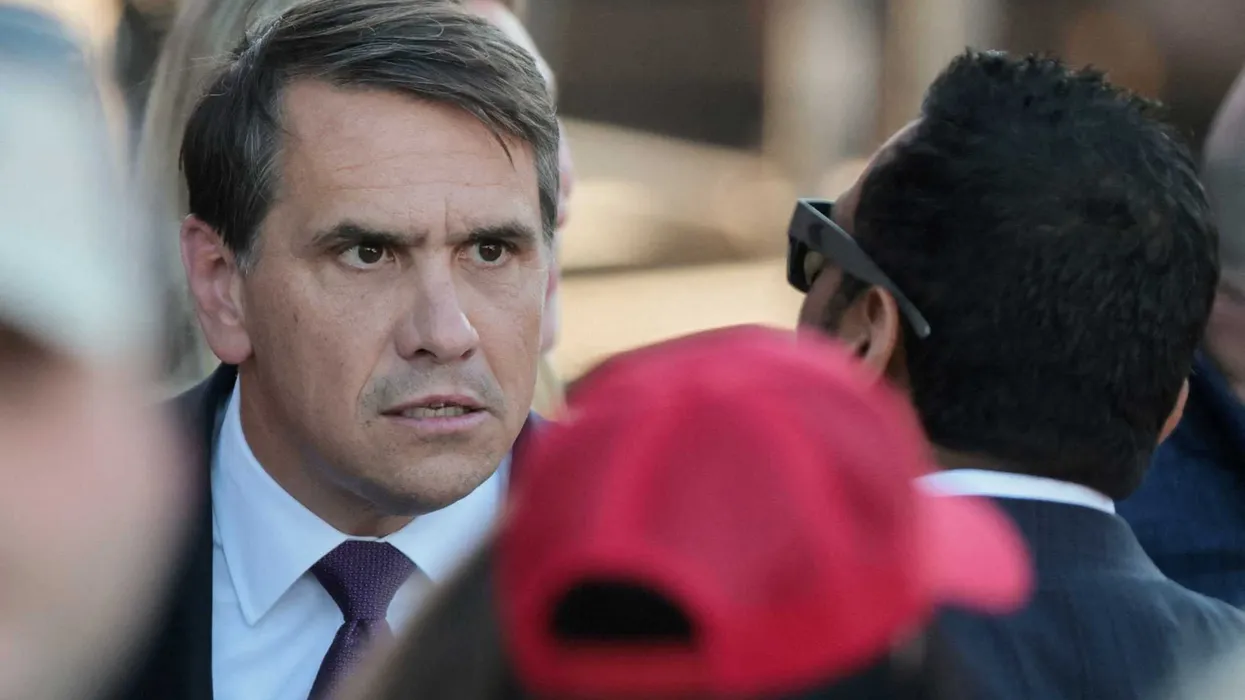
Senators Thom Tillis (R-N.C.) and John Cornyn (R-Texas) issued a joint statement on Monday expressing confidence in an agreement reached with President Donald Trump's attorney general nominee, Todd Blanche, who served as Trump's personal defense attorney in the criminal hush-money case before being nominated to lead the Justice Department. However, legal analysts and scholars across the political spectrum swiftly took to social media to challenge the lawmakers, arguing that the agreement lacks any legally binding force.
"From the outset, Senator [Cornyn] and I were clear that we needed a written document addressing our concerns on the IRS audit agreement and the anti-weaponization fund that included constraining the scope of audit protection by limiting it to the parties of the Settlement Agreement and legally ending the anti-weaponization fund," Tillis wrote on X.
The statement continued: "We are pleased that the Department of Justice has issued a formal order terminating the anti-weaponization fund. Additionally, the Department has acknowledged in a binding written order that the audit settlement is limited to the plaintiffs and the scope does not extend beyond the defendants in the lawsuit, the IRS and the Treasury, addressing concerns that multiple of our Republican colleagues share."
The agreement centers on two contentious elements of a broader Justice Department settlement that resolved lawsuits alleging the IRS had improperly targeted conservative groups. The first element narrowed audit protections that critics warned could shield Trump affiliates from scrutiny, while the second element dismantled a fund designated for individuals claiming they were unjustly prosecuted by the prior administration.
Politico legal affairs reporter Josh Gerstein pushed back on that characterization. "Not at all clear that the narrowing of the IRS claims waiver in the Trump settlement is 'binding,'" he wrote on X. "That's simply Blanche's interpretation at this point. Nothing to stop other Trump family members, affiliates, trusts, etc., from claiming they can rely on the original wording."
Legal experts and scholars echoed that assessment, describing Blanche's pledge to Tillis and Cornyn as a "sham" and emphasizing that nothing in the agreement carries enforceable consequences should Blanche breach it.
Former federal prosecutor and University of Michigan Law School Professor Barbara McQuade said, "Blanche's appeasement is hollow. Trump still gets immunity from tax audits worth $100 million. And last week's payout to abortion clinic blocker shows the path to payouts to rewrite history will be individual settlements instead of one designated fund." (X)
Ben Meiselas pointed out that the contract among the Justice Department, the IRS, and Trump requires all three parties to consent to any modifications. "This is an unenforceable sham document," he concluded.
Attorney and Lincoln Project co-founder George Conway tagged both senators in agreement, writing on X: "This cannot be emphasized enough."
University of North Carolina Criminal Law Professor Carissa Byrne Hessick raised a separate concern on X: "Others might have a different impression, but I see nothing in Blanche's letter that would prevent him from reviving the fund the moment that he is confirmed. Sen. Cornyn is a former state AG and judge on the TX Supreme Court ... so I imagine he is aware of this as well."
National security expert Marcy Wheeler offered a similarly blunt assessment on X: "The order is not remotely binding. And you're still [clapping] that Trump will get excused from his $200 million known tax dodge, the money laundering Capital Bank just disclosed and the bribes he accepted between November 2024 and end of 2025. Why do you love crime so much, Tillis?"
In a follow-up post, Wheeler added: "Let's be honest. Tillis' concerns were the POLITICS of the corruption, not the corruption itself. This gives the GOP top cover through the election ... and then Blanche will forgive more Trump crimes afterwards."
The dispute underscores a broader tension in the confirmation process: senators typically extract policy commitments from nominees through written assurances, but those commitments generally rely on the nominee's good faith rather than judicially enforceable obligations. Critics argue that framework is especially fragile when the nominee has a prior attorney-client relationship with the president.
Criticism extended beyond progressive legal commentators. Conservative Federalist Society-approved lawyer Gregg Nunziata also voiced opposition to Blanche's nomination. "Mr. Blanche demonstrated his unfitness to serve as Attorney General before the slush fund and the tax immunity deal; any purported limitations on the latter cannot possibly cure his manifest defects," Nunziata wrote on X. "To perform its constitutional duty as a check, the Senate should vote no."
Conservative columnist Quin Hillyer similarly weighed in on X: "Blanche rescinds Trump's 'Anti-Weaponization Fund' amid AG confirmation pressure 1.) Blanche still isn't close to being fit for AG 2.) Federal Vacancies Reform Act badly needs reform and stricter limits 3.) Blanche's lawfare vs. Trump's enemies = inexcusable."

